Tempat Kaiseki bertemu Fermentasi: Washoku & Soba Eksperimental di Azabu-Juban di Hidden Gem Restaurant Honda

Pendahuluan
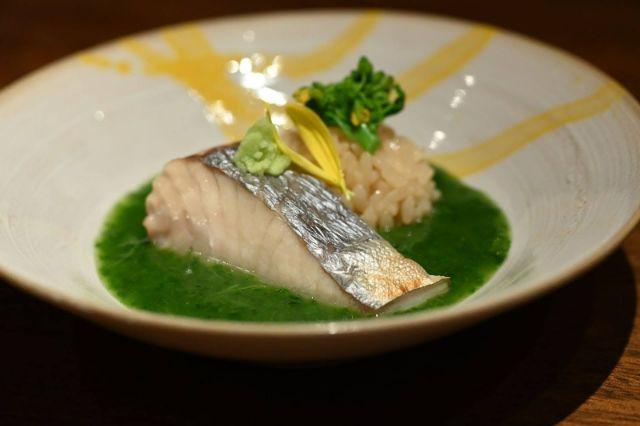
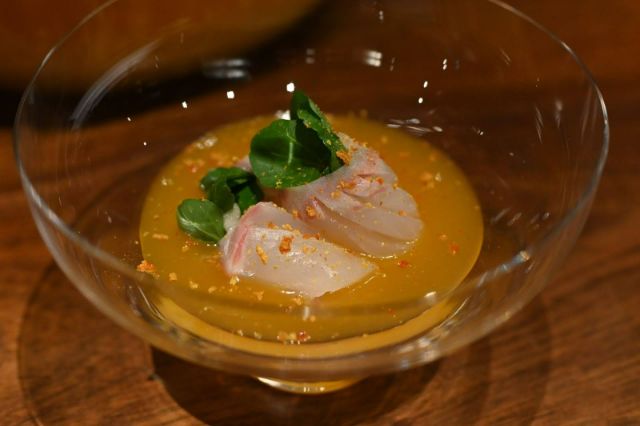
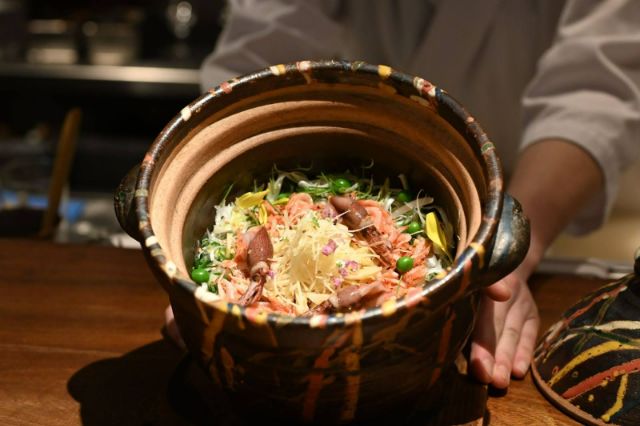
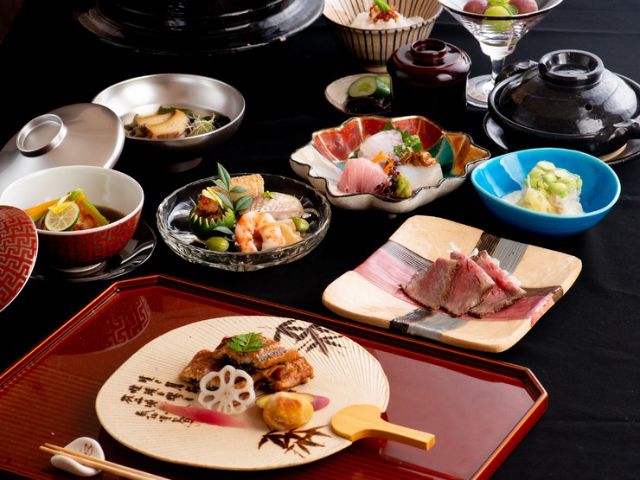
Kami berkunjung untuk melihat lebih dekat menu omakase musiman Honda. Sambil menikmati berbagai hidangan laut Jepang berkualitas tinggi, soba buatan tangan, daging sapi Hida, dan nasi clay-pot, Chef Honda menjelaskan seluk-beluk filosofi dan pendekatannya terhadap fermentasi dalam menciptakan menu kreatif yang menggugah selera hingga hidangan penutup.
honda Azabujuban Branch
Tutup:Minggu
Harga rata-rata:[Dinner] 10,000 JPY
Akses:5 menit berjalan kaki dari Stasiun Azabu-juban (Pintu Keluar 7) di Jalur Toei Oedo
Alamat:2F-2, DKNS Azabu, 2-8-3, Azabujuban, Minato-ku, Tokyo Peta
Detail Lebih LanjutReservasi
Fermentasi adalah pilihan terbaik.
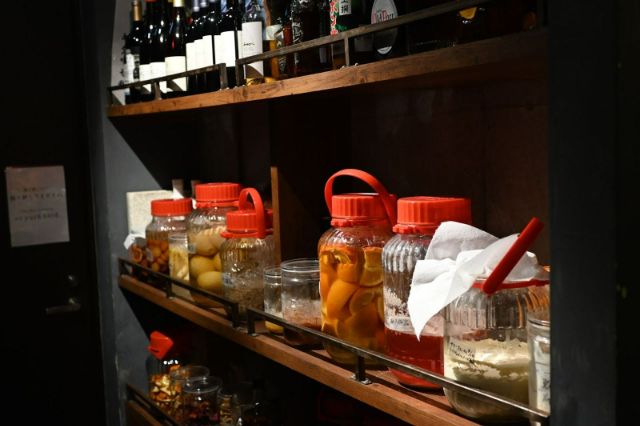
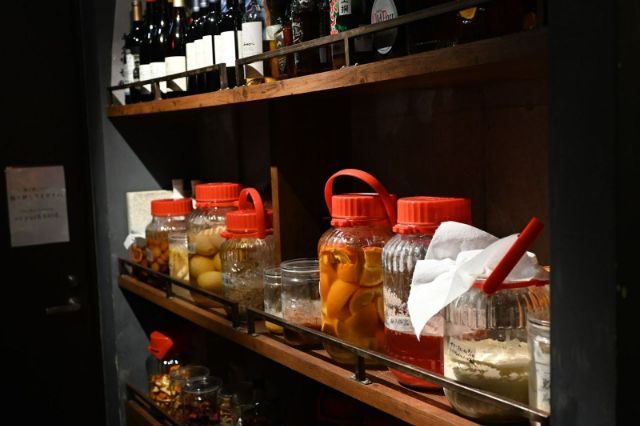
Naiki tangga dan buka pintu, Anda akan langsung disambut oleh koridor sempit yang diapit di satu sisi oleh lemari pendingin anggur dan di sisi lain oleh rak berisi fermentasi buatan sendiri. Di antaranya, kombucha dengan potongan jeruk yang digantung dan stoples misterius berisi cairan yang warnanya beragam, dari pucat dan keruh hingga oranye cerah.
Koleksi spesimen tersebut meluas hingga ke meja, di mana wadah-wadah berlabel jelas mencantumkan isi dan tanggal pembotolan. Bapak Honda, Chef-pemilik dari Honda Azabujuban dan Honda Akasaka, menjelaskan bahwa meskipun terlihat seperti sudah berpengalaman, ia baru menekuni fermentasi rumahan selama sekitar satu tahun, bahkan belum cukup lama untuk menghasilkan miso yang siap dimasak.
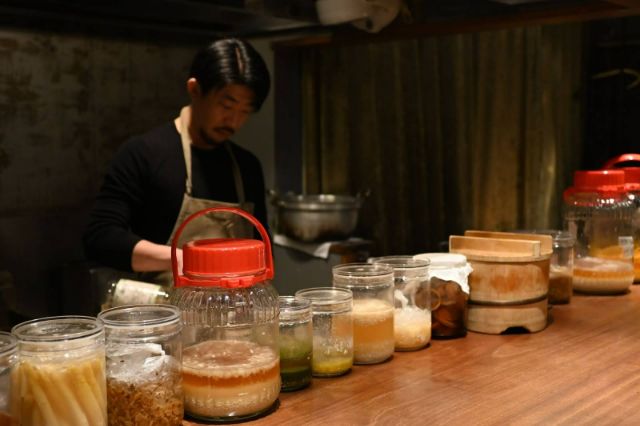
Meskipun merupakan tambahan yang relatif baru dalam jajaran menu Honda (restoran ini telah beroperasi selama 13 tahun), menu tersebut sangat bergantung pada keajaiban fermentasi untuk menghasilkan cita rasa yang intens.
Makanan Jepang dengan Kepribadian yang Tak Terbantahkan
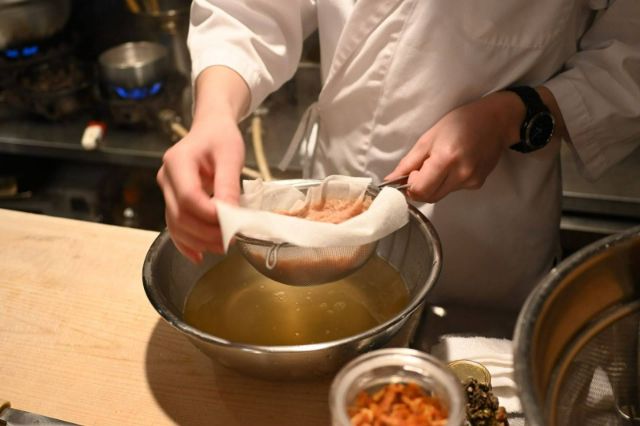
Chef Honda menggambarkan masakannya sebagai "makanan Jepang kreatif", dan bagi seseorang yang hanya dua kali meninggalkan negara asalnya, ia berhasil menciptakan menu yang akan terasa pas di restoran wa-fusion di New York. Gaya fermentasi yang digunakan sebagian besar terkait dengan masakan Masakan Barat, dan bahkan elemen Jepang pun mendapatkan sentuhan unik, seperti penggunaan kaldu tuna serta kaldu bonito klasik untuk tegukan pertama kaldu kaya umami yang lebih berkesan.
Cita rasa sepanjang hidangan sangat intens, seringkali didominasi rasa asin dan umami. Kelezatan washoku, bagian-bagian yang menjadi dasar menu dalam masakan Jepang, lebih terlihat dalam penyajian dan kualitas bahan. Penekanan pada efek fermentasi secara inheren melampaui filosofi "biarkan bahan berbicara sendiri," membuat hidangan terasa lebih mengenyangkan daripada yang diharapkan oleh para pengunjung dari penampilannya yang klasik seperti yang terlihat pada kaiseki.
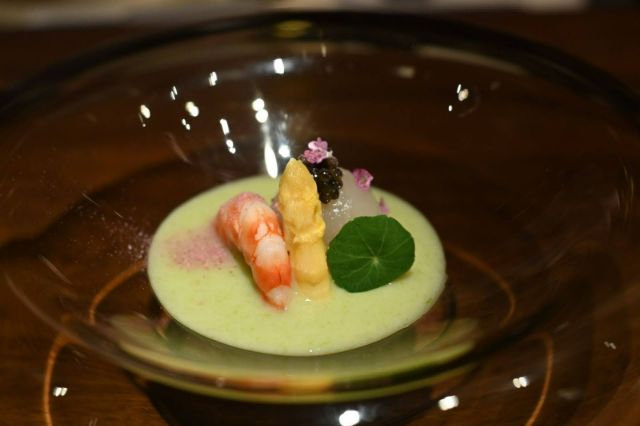
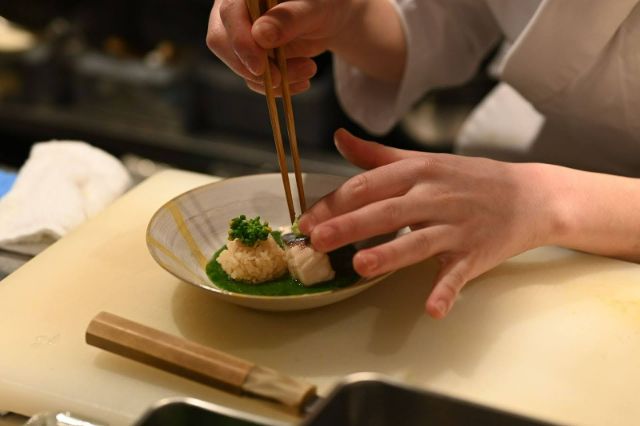
Salah satu hidangan unggulan adalah hassun berbahan dasar amazake. Secara teknis, ini bukanlah hassun, dan hidangan ini tidak dirancang untuk meniru kaiseki secara persis, tetapi sentuhan washoku yang familiar dalam bentuk dan fungsi memudahkan para penikmat kuliner untuk merasakan kekuatan yang ada di dalamnya. Hidangan ini berubah sesuai musim, seperti halnya hidangan Jepang pada umumnya, tetapi selalu menggunakan dasar amazake buatan sendiri.
Tampilan versi musim semi ini menampilkan kontras antara udang kuruma berwarna oranye cerah dengan bubuk sakura kering dan warna kuning krem dari asparagus putih fermentasi, semuanya berpadu dengan amazake asparagus hijau rumput. Amazake sendiri adalah sup/minuman beras fermentasi, yang sering disajikan hangat di musim dingin untuk menghangatkan tubuh yang kedinginan. Di sini, rasa manis alaminya melengkapi udang, sekaligus mengurangi dampak rasa keju yang lezat dari ujung asparagus putih. Penggunaan fermentasi laktat mengubah asparagus putih sederhana menjadi gigitan yang asin dan renyah, hampir seperti parmesan dalam rasa gurihnya.
Dibuat dengan Mengutamakan Kesehatan
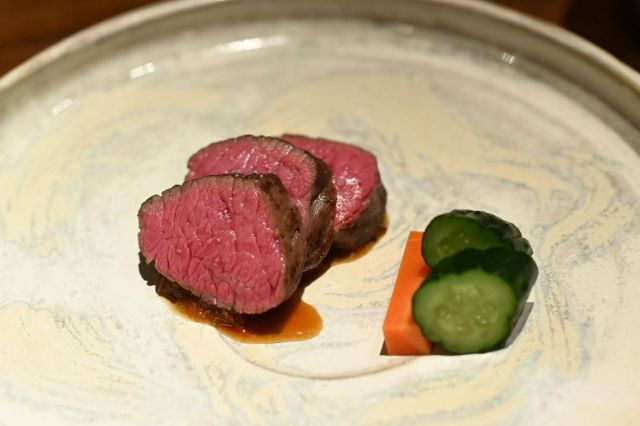
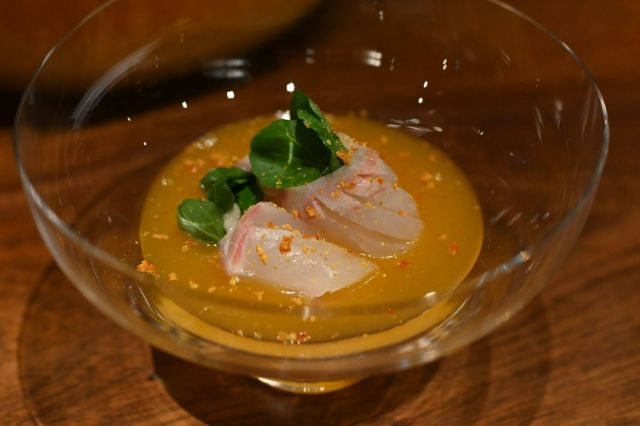
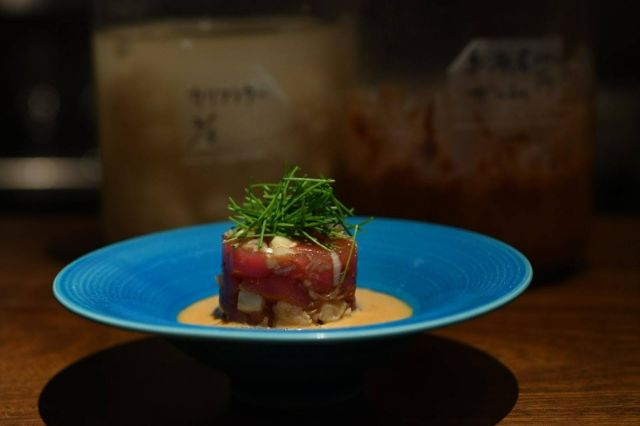
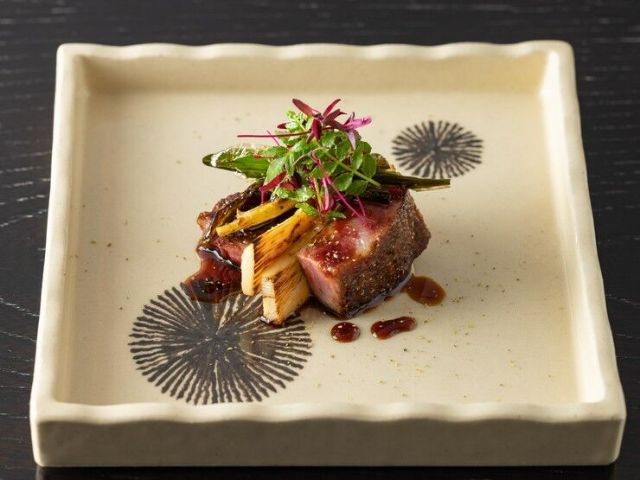
Namun, Chef Honda mengatakan bahwa meskipun sebagian merupakan ekspresi preferensi pribadinya, ia juga memilih untuk menyajikan tuna tanpa lemak dan tenderloin sapi karena menu yang disajikannya berprinsip pada kesehatan. Penggunaan potongan daging yang lebih rendah lemak lebih cocok dengan saus fermentasi dan bumbu yang ia pasangkan dengan setiap hidangan, dan keduanya mendukung kesehatan pengunjung.
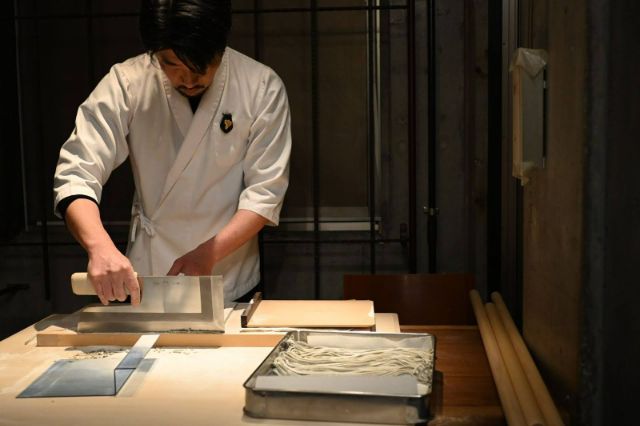
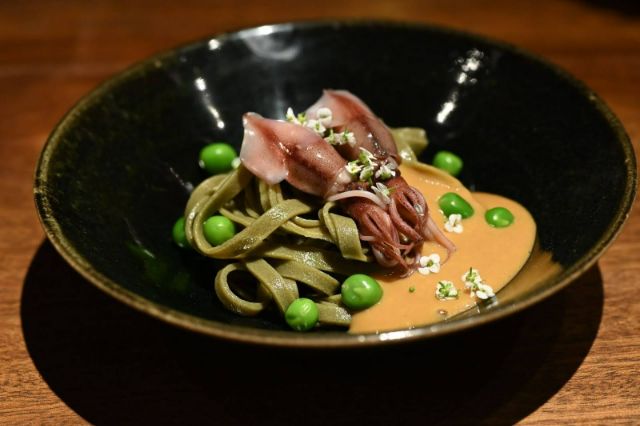
Hal yang sama berlaku untuk salah satu hidangan andalan restoran ini, yaitu moringa soba yang diuleni dengan tangan dan dipotong dengan pisau, sebuah kreasi orisinal dari mi soba tradisional Jepang yang direndam teh, cha-soba. Adonan soba dasarnya adalah soba klasik Tokyo 2-8, yang berubah menjadi hijau lumut dengan tambahan bubuk moringa.
Moringa sering disebut sebagai makanan super. Kandungan antioksidannya tinggi, melawan peradangan, dan mendukung sistem pencernaan, dan beberapa penelitian menunjukkan bahwa moringa berpotensi dalam pengobatan kanker dan penurunan berat badan. Penggemar matcha akan menemukan bahwa rasa moringa tidak jauh berbeda – juga seperti rumput dan pahit, dengan rasa seperti hutan di akhir. Singkatnya, rasanya sehat, sangat cocok dengan rasa gandum hitam yang khas.
honda Azabujuban Branch
Tutup:Minggu
Harga rata-rata:[Dinner] 10,000 JPY
Akses:5 menit berjalan kaki dari Stasiun Azabu-juban (Pintu Keluar 7) di Jalur Toei Oedo
Alamat:2F-2, DKNS Azabu, 2-8-3, Azabujuban, Minato-ku, Tokyo Peta
Detail Lebih LanjutReservasi
Dua koki, satu meja
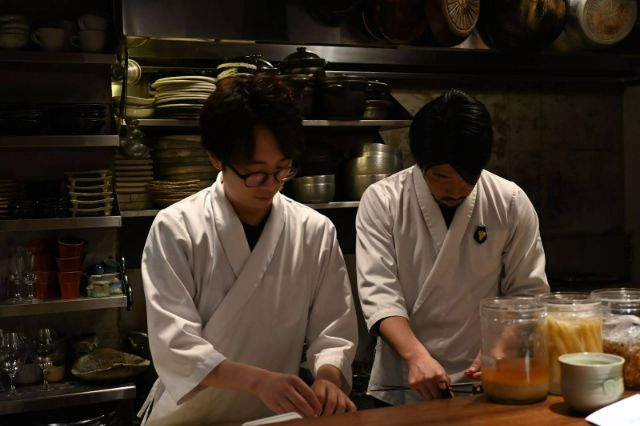
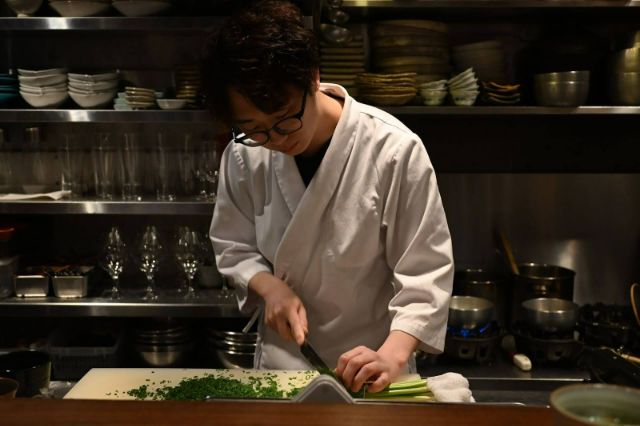
Selama lebih dari 20 tahun kariernya, Chef Honda telah mengasah keterampilannya dalam berbagai bidang, tidak hanya fermentasi, tetapi juga anggur, masakan Jepang, dan yakitori. Ia pernah bekerja di restoran soba saat masih muda, sebuah warisan yang ia wariskan melalui penguasaannya atas teknik pembuatan soba tradisional.
Meskipun Bapak Honda mengakui bahwa membuatnya dengan tangan itu melelahkan dan memakan waktu, beliau adalah penggemar soba, dan menganggapnya sebagai bagian penting dari identitasnya sebagai seorang koki. Dengan menyajikan hidangan yang membantu membentuk kariernya, sang koki berbagi sebagian dari kepribadian dan kisahnya dengan setiap tamu, baik mereka menyadarinya atau tidak.
Menu Minuman yang Unik
Meskipun dinding restoran memberikan penghormatan kepada wilayah penghasil anggur California, dengan menggunakan peta negara bagian sebagai dekorasi, Chef Honda sebenarnya memiliki minat yang kuat pada anggur oranye (sebagian besar dari Australia) dan anggur lokal. Mengingat bahwa ini adalah seorang koki yang selalu menemukan cara untuk menyelipkan fermentasi unik dan orisinal ke hampir setiap hidangan, preferensi ini bukanlah hal yang mengejutkan.
Ciri khas anggur alami dan anggur oranye sangat cocok dengan masakannya. Demikian pula, penggunaan anggur lokal – Chef Honda menyoroti aroma kecap yang terdapat dalam beberapa anggur Jepang sebagai sesuatu yang sangat menarik – merupakan pilihan berani yang, seperti hidangannya, memadukan kepekaan Jepang dan Barat serta merangkul hal-hal baru.
Sudut Ekletik Azabujuban
Bahkan lokasi Akasaka memiliki suasana yang berbeda, lebih santai, dan ramah bagi kelompok tamu yang lebih besar. Di lokasi aslinya ini, Chef Honda mencurahkan seluruh tenaganya (secara harfiah, dengan semua proses menggulung soba) untuk menciptakan hidangan yang tak terlupakan setiap malam, sementara para tamu menikmati menyaksikan timnya dari konter.
honda Azabujuban Branch
Tutup:Minggu
Harga rata-rata:[Dinner] 10,000 JPY
Akses:5 menit berjalan kaki dari Stasiun Azabu-juban (Pintu Keluar 7) di Jalur Toei Oedo
Alamat:2F-2, DKNS Azabu, 2-8-3, Azabujuban, Minato-ku, Tokyo Peta
Detail Lebih LanjutReservasi
Penafian: Semua informasi yang tercantum akurat pada saat pertama kali dipublikasikan.
Terima kasih telah membaca artikel kami.
Tujuan kami adalah membawa perjalanan kuliner Anda ke tingkat berikutnya dengan membantu Anda menemukan restoran terbaik. Dengan SAVOR JAPAN, Anda dapat mencari dan membuat reservasi untuk
Restoran Kaiseki, Soba, Masakan Jepang, dan Sashimi/Seafood yang terdapat di dalam dan sekitar Roppongi yang dapat memenuhi kebutuhan Anda.
Temukan lebih banyak restoran Kaiseki, Soba, Masakan Jepang, dan Sashimi/Seafood berdasarkan area.
- Daerah Tokyo
- Dekat dari Tokyo
- Daerah Kyoto dan Osaka
- Daerah Hokkaido
- Honshu Utara (Tohoku)
- Honshu Tengah (Chubu)
- Honshu Barat (Chugoku)
- Shikoku
- Kyushu
- Kepulauan Okinawa dan Ryukyu
Temukan lebih banyak restoran untuk menikmati Masakan Jepang, Masakan Jepang, Masakan Jepang, dan Masakan Jepang berdasarkan wilayah.
Kata Kunci
Artikel Terkait
-
5 Restoran di Shizuoka untuk Menikmati Hidangan Berwarna-warni di Hari Istimewa
Di hari-hari istimewa seperti hari jadi dan perayaan, pasti menyenangkan menikmati hidangan dengan suasana ceria. Kali ini, 5 restoran di Shizuoka yang menawarkan hidangan lezat telah dipilih. Mulai dari hidangan Jepang dan Masakan Barat hingga restoran yang kaya akan hidangan laut, serta restoran dengan ruang pribadi untuk pengalaman bersantai, tempat-tempat unik ini tidak hanya menyajikan hidangan lezat tetapi juga menawarkan suasana yang nyaman. Pastikan untuk mengunjungi restoran-restoran ini di mana Anda dapat menghabiskan waktu dengan menyenangkan!
-
Restoran Kaiseki dan Jepang yang Wajib Dikunjungi di Fukuoka
Bagaimana kalau menikmati hidangan lengkap yang menyajikan masakan kaiseki dan hidangan tradisional Jepang? Di Prefektur Fukuoka, termasuk Hakata dan Kitakyushu, kami merekomendasikan restoran-restoran di mana Anda dapat sepenuhnya menikmati pesona kuliner musiman Jepang. Menikmati cita rasa lokal dan hidangan musiman pasti akan menciptakan kenangan indah perjalanan Anda.
-
Tokyo Oktober: Bersantap Jepang dengan Art & Vegan Shojin Ryori Omakase di Omotesando
Tokyo October menyajikan washoku klasik, termasuk shojin ryori vegan dan kaiseki di sebuah tempat yang menyerupai kuil yang dirancang oleh seniman Masakan Prancis. Seni dan arsitekturnya berasal dari rumah desain ternama, sementara makanannya diciptakan oleh seorang koki dengan minat dan studi mendalam tentang washoku. Ia telah mengikuti masakan tradisional Jepang hingga ke akarnya selama lebih dari tiga puluh tahun, dengan spesialisasi dalam upacara minum teh dan gastronomi Jepang.
-
THE SAKAI Tokyo Kyobashi: Pengalaman Sushi Omakase yang Penuh Seni
Rasakan keahlian sushi yang lahir di Frankfurt, Jerman, dan ditata ulang di akarnya. THE SAKAI Tokyo, bagian dari merek pemenang penghargaan MICHELIN milik Chef Hiro Sakai, adalah tambahan terbaru untuk warisan budaya sushi internasionalnya. Kunjungi Kyobashi untuk pengalaman kuliner lengkap yang dibuat dengan menghormati tamu internasional dan keaslian lokal.
-
Kaiseki Mita Basara Bettei : Wagyu Sukiyaki untuk Makan Siang di Roppongi, Tokyo
Nikmati hidangan hot pot sukiyaki daging wagyu yang kreatif di restoran mewah ramah berbahasa Inggris ini di Tokyo. Selama bersantap di Kaiseki Mita Basara Bettei, para pengunjung dapat menikmati beragam masakan Jepang — dari tradisional hingga orisinal — di tempat tersembunyi yang hanya berjarak beberapa menit dari Roppongi.
![[2026] Hari Hujan Itu Indah. Tempat Hydrangea Kyoto dan Panduan Kuliner di Sekitarnya](https://rimage.savorjapan.com/svj/image/discover_oishii_japan/7029/article_head.jpg?t=1775636401)
Artikel Baru
-
Makanan dan Sushi Hokkaido Terbaik di Tokyo: Hokkaisushi hingga Robata Sushiyama Shinjuku
-
Kaiseki Mita Basara Bettei : Wagyu Sukiyaki untuk Makan Siang di Roppongi, Tokyo
-
Restoran Unagi Terbaik di Tokyo: Pengalaman Hitsumabushi Premium di Sumiyaki Unafuji Tokyo Opera City
-
DepTH Brianza: Delight adalah Perjalanan ke Italia di Restoran Azabudai Hills ini
-
![[2026] 5 Tempat Terbaik untuk Menikmati Pemandangan Musim Gugur di Tokyo! Rekomendasi Makan Malam Istimewa Setelah Penerangan dan Jalan-jalan](https://rimage.savorjapan.com/svj/image/discover_oishii_japan/7204/article_head_150x105z.jpg?t=1785375302)
[2026] 5 Tempat Terbaik untuk Menikmati Pemandangan Musim Gugur di Tokyo! Rekomendasi Makan Malam Istimewa Setelah Penerangan dan Jalan-jalan
Kategori
Masakan
- Bars (24)
-
Japanese Cuisine (706)
- Kaiseki (50)
- Nabe (22)
- Okonomiyaki (26)
- Shabu Shabu (39)
- Soba (19)
- Sushi (152)
- Tempura (20)
- Teppanyaki (46)
- Shojin Ryori (4)
- Tonkatsu (16)
- Kushiyaki (10)
- Yakitori (46)
- Sukiyaki (38)
- Japanese Cuisine (344)
- Oyster (4)
- Sashimi/ Seafood (34)
- Unagi (eel) (38)
- Motsu Nabe (offal hotpot) (11)
- Mizutaki (chicken hot pot) (4)
- Oden (9)
- Kaisendon (seafood bowl) (12)
- Udon (3)
- Taverns(Izakaya) Cuisine (134)
- Western Cuisine (42)
- Italian/French Cuisine (98)
- Yakiniku/Steak (235)
- Chinese Cuisine (27)
- Ramen (Noodles) Cuisine (25)
- Cafe/Sweets (67)
- Other Asian Cuisine (5)
- Global/International Cuisine (7)
- Alcohol (58)
- Other (11)
Daerah
- Shikoku (10)
- Kyoto and Osaka (356)
-
Tokyo (493)
- Tokyo (309)
- Ginza (51)
- Roppongi (27)
- Shibuya (30)
- Shinjuku (51)
- Asakusa (21)
- Ebisu (14)
- Tsukiji (13)
- Tempat-tempat penting Tokyo (5)
- Ueno (24)
- Akihabara (9)
- Ikebukuro (14)
- Jiyugaoka, Denenchofu, Nakameguro (9)
- Shimokitazawa (4)
- Kichijoji (3)
- Tachikawa (1)
- Omotesando, Harajuku, Aoyama (20)
- Akabane (1)
- Kagurazaka (4)
- Akasaka (9)
- Odaiba (2)
- Tsukishima, Harumi, Toyosu (3)
- Near Tokyo (103)
- Okinawa dan Kepulauan Ryukyu (60)
- Hokkaido (125)
- Honshu Utara (Tohoku) (31)
- Central Honshu (Chubu) (147)
- Honshu Barat (Chugoku) (34)
- Kyushu (95)
Arsip
- August 2026(4)
- July 2026(8)
- June 2026(10)
- May 2026(7)
- April 2026(18)
- March 2026(3)
- February 2026(13)
- January 2026(11)
- December 2025(9)
- November 2025(4)
- October 2025(3)
- September 2025(6)
- August 2025(11)
- July 2025(19)
- June 2025(18)
- May 2025(34)
- April 2025(43)
- March 2025(30)
- February 2025(36)
- January 2025(26)
- December 2024(69)
- November 2024(31)
- October 2024(15)
- September 2024(39)
- August 2024(65)
- July 2024(31)
- June 2024(54)
- May 2024(61)
- April 2024(28)
- March 2024(31)
- February 2024(42)
- January 2024(32)
- December 2023(20)
- November 2023(5)
- October 2023(10)
- September 2023(7)
- August 2023(18)
- July 2023(8)
- June 2023(8)
- May 2023(18)
- April 2023(15)
- March 2023(1)
- January 2023(1)
- April 2022(2)
- March 2022(2)
- February 2022(1)
- January 2022(1)
- July 2021(1)
- March 2021(1)
- February 2021(1)
- December 2020(1)
- October 2020(1)
- September 2020(2)
- August 2020(10)
- July 2020(6)
- June 2020(9)
- May 2020(11)
- April 2020(8)
- March 2020(8)
- February 2020(13)
- January 2020(9)
- December 2019(24)
- November 2019(8)
- August 2019(14)
- July 2019(15)
- June 2019(18)
- May 2019(17)
- April 2019(16)
- March 2019(22)
- February 2019(22)
- January 2019(26)
- December 2018(34)
- November 2018(40)
- October 2018(32)
- September 2018(11)
- August 2018(8)
- July 2018(6)
- June 2018(9)
- May 2018(10)
- April 2018(21)
- March 2018(74)
- February 2018(39)
- January 2018(26)
- December 2017(60)
Kata Kunci
- Omakase
- Dapat diakses
- Terjangkau
- Makan Sepuasnya
- Pemandangan yang menakjubkan
- animasi
- Seni
- Musim gugur
- Penghargaan
- Taman Bir
- Sarapan
- Rekomendasi Koki
- Bunga Sakura
- Masakan Tionghoa
- Dekat Stasiun
- Bumbu pelengkap
- Menangkal
- Kupon
- Kepiting
- Budaya
- Dasai
- Tanggal
- pengiriman
- Awal Musim Panas
- Rekomendasi Editor
- Tersedia dalam Bahasa Inggris
- Peristiwa
- Pameran
- Daun Musim Gugur
- Ramah Keluarga
- Restoran Terkenal
- Tempat Wisata Terkenal
- Makanan Cepat Saji
- festival
- kembang api
- Perkebunan Bunga
- Gratis Wi-Fi
- Masakan Prancis
- Lokasi Bagus
- Memandu
- Ikan Hibachi
- makanan daging dan sayur
- Bagaimana Caranya
- bunga hortensia
- Kebersihan
- Penerangan
- Masakan Italia
- Izakaya
- Jepang
- alkohol jepang
- jingisukan
- Kaiseki
- Kappo
- Kushiage
- Kusikatsu
- Kyoto
- Larut Malam
- Makan siang
- Tata krama
- matsusakagyu
- Michelin
- mizutaki
- Kursus Model
- monjayaki
- motsunabe
- Gunung Fuji
- Menu Multibahasa
- Nabe
- Bandara Narita
- Tahun Baru
- Ninja
- Mi
- Oden
- Okonomiyaki
- omotenashi
- Pemandian air panas
- Osaka
- Osaka Stasiun
- Situs Fotogenik
- pizza
- hubungan masyarakat
- Kamar Pribadi
- Ramen
- peringkat
- Resep
- Masakan Daerah
- Resor
- Hidangan Mangkuk Nasi (Donburi)
- tempat-tempat suci
- Demi
- Sakura
- Sashimi
- bulu babi
- Daerah Setouchi
- Shabu-Shabu
- tamasya
- Hidangan Khas
- Soba
- Pengunjung Solo Dipersilakan
- Makanan Pedas
- Musim semi
- Steak
- Musim panas
- Bunga matahari
- Sushi
- bawa pulang
- Teppanyaki
- Tempat Duduk Teras
- Tokyo
- Pengalaman Tokyo
- Tokyo Skytree
- Menara Tokyo
- daging panggang
- UNESCO
- Makanan sehat
- Vegetarian
- Daging wagyu
- Apa Saja Rekomendasi Situs Kuliner Populer?
- Wiski
- Bar Wine
- Musim dingin
- Bunga wisteria
- Bengkel
- Situs Warisan Dunia
- Penulis Dunia
- Yakiniku
- Yoshoku
- Yuba
- Bahasa Zen
Temukan Restoran Berdasarkan Area
-

Daerah Tokyo
Kota terbesar di Jepang, Tokyo, merupakan pusat budaya kuliner di Jepang. Banyak sekali restoran Tokyo yang menyajikan berbagai jenis makanan yang dapat dibayangkan dan pasar ikan Toyosu menyediakan berbagai restoran dengan ikan-ikan terbaik di negara ini.
-

Dekat dari Tokyo
Daerah pesisir, pegunungan, dan lembah di sekitar Tokyo dipenuhi dengan tujuan wisata, seperti sumber air panas dan lereng ski, tempat banyak makanan unik yang hanya tersedia secara lokal.
-

Daerah Kyoto dan Osaka
Kota Kyoto dan Osaka, beserta daerah di sekitarnya, telah memengaruhi budaya kuliner Jepang sejak abad ke-7. Wilayah ini terkenal dengan hiburannya, daging sapi Kobe, dan beragam hidangan tradisional.
-

Daerah Hokkaido
Pulau Hokkaido merupakan rumah bagi berbagai macam hasil bumi dengan kualitas terbaik, seperti beras, daging, sayur, ikan, dan buah. Hidangan populer dari Hokkaido meliputi robatayaki (makanan yang dipanggang perlahan di tusuk sate) dan ramen miso Sapporo.
-

Honshu Utara (Tohoku)
Ujung utara pulau utama Jepang, Honshu, terkenal dengan buah dan sayur musimannya, panen ikan terbaik di negara ini (terutama tuna dari Ohma), dan daging sapi lezat dari Yonezawa, Sendai, dan Yamagata.
-

Honshu Tengah (Chubu)
Chubu terletak di tengah pulau utama Jepang, Honshu, dan budaya kulinernya mencerminkan posisinya di antara belahan barat dan timur Jepang. Daging sapi Hida yang lezat, Gunung Fuji yang terkenal di dunia, dan banyak pabrik sake yang diakui ada di Chubu.
-

Honshu Barat (Chugoku)
Chugoku, di barat daya pulau utama Jepang, kaya akan hasil bumi yang beragam. Banyak produknya dipuji sebagai yang terbaik di Jepang, termasuk kepiting Matsuba dari Tottori dan tiram dari Hiroshima. Pir dan muscatnya juga bermutu tinggi.
-

Shikoku
Iklim Shikoku yang sedang sangat cocok untuk menanam buah jeruk seperti sudachi. Shikoku juga terkenal dengan mi udon Sanuki, hasil panen udang windu yang melimpah dari Prefektur Ehime, dan torafugu (ikan bulat macan) terbaik di negara ini.
-

Kyushu
Budaya Masakan Barat pertama kali diperkenalkan ke Jepang melalui Kyushu, pulau terbesar ketiga di Jepang, di mana pengaruh masakan Portugis dan masakan Barat lainnya memengaruhi terciptanya tradisi kuliner yang penuh warna.
-

Kepulauan Okinawa dan Ryukyu
Okinawa, prefektur paling selatan Jepang, adalah gudang harta karun hidangan dan minuman khas yang telah populer di seluruh Jepang, termasuk soba Okinawa, topping sushi yang unik, dan minuman keras sulingan Awamori.