Hidangan Buruan Liar Jepang Diolah Menjadi Santapan Mewah Masakan Prancis di Lature, Shibuya

Pendahuluan
Alam
Tutup:Sewaktu-waktu
Harga rata-rata:[Dinner] 20,000 JPY / [Lunch] 7,000 JPY
Akses:6 menit berjalan kaki dari Pintu Keluar B1 Stasiun Omote-sando (Jalur Tokyo Metro Hanzomon, Ginza, dan Chiyoda), 7 menit berjalan kaki dari Pintu Keluar Hikarie Stasiun JR Shibuya
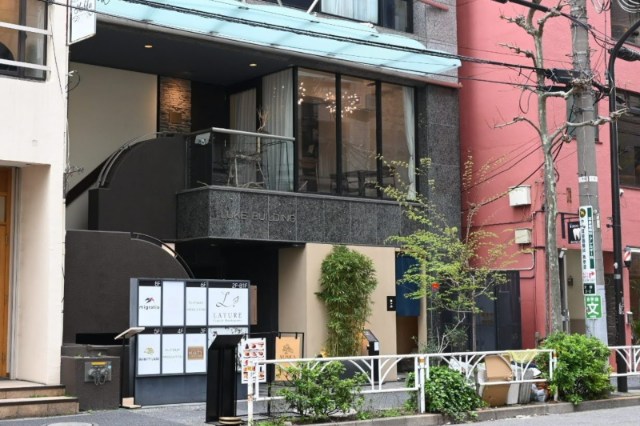
Alamat:B1F, Aoyama Luke Bldg., 2-2-2, Shibuya, Shibuya-ku, Tokyo Peta
Detail Lebih LanjutReservasi
Tentang Lature
Di satu meja, pasangan muda Amerika tampak gembira membicarakan kualitas hidangan penutup. Di meja lain, sekelompok empat orang berbahasa Masakan Prancis (dengan masing-masing sebotol anggur terbuka) terlibat dalam percakapan yang meriah. Di luar pandangan, obrolan berbahasa Kanton sesekali terdengar di sela-sela kesunyian. Meskipun para tamu ini mungkin tidak menyadarinya, mereka semua ikut serta dalam misi Chef Murota untuk menyoroti gibier Jepang demi masa depan yang lebih berkelanjutan.
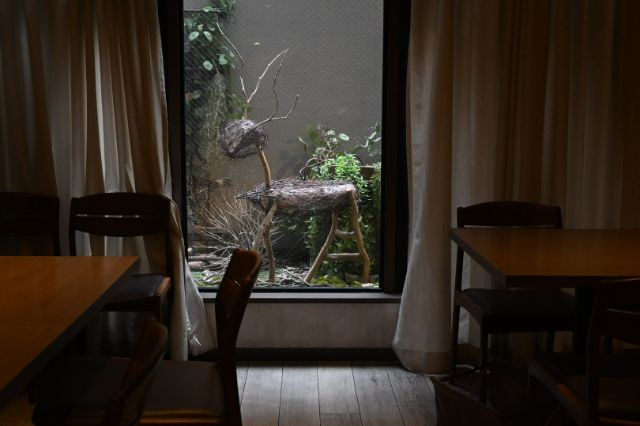
Dalam upaya kepala koki Takuto Murota untuk membuat gibier Jepang lebih dikenal luas, Lature secara aktif menyambut pengunjung dari semua latar belakang. Filosofinya bukan tentang melayani wisatawan – banyak pengunjung lokal juga menyukai Lature – tetapi tentang menunjukkan kepada dunia bagian abadi dari lanskap kuliner Jepang yang sering diabaikan. Ada masa ketika perburuan hewan buruan merupakan bagian penting dari Jepang pra-modern dan manusia hidup harmonis dengan alam liar. Chef Murota percaya bahwa koki seperti dirinya adalah kunci untuk kembali ke hubungan yang lebih harmonis antara manusia dan alam – dimulai dari apa yang ada di piring.
Chef Murota dan Kelahiran Lature
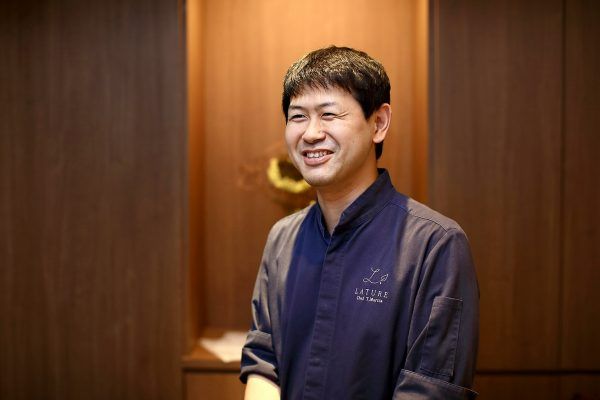
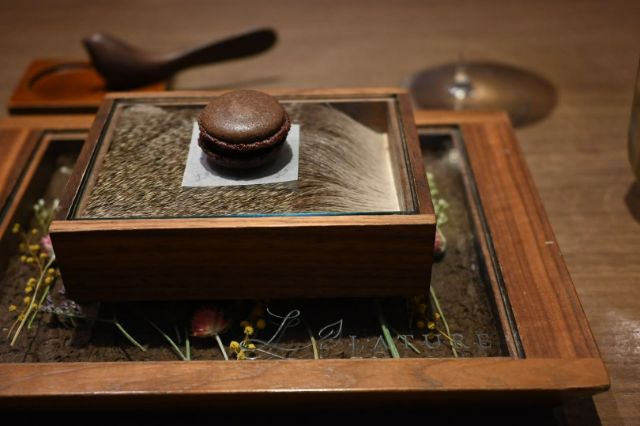
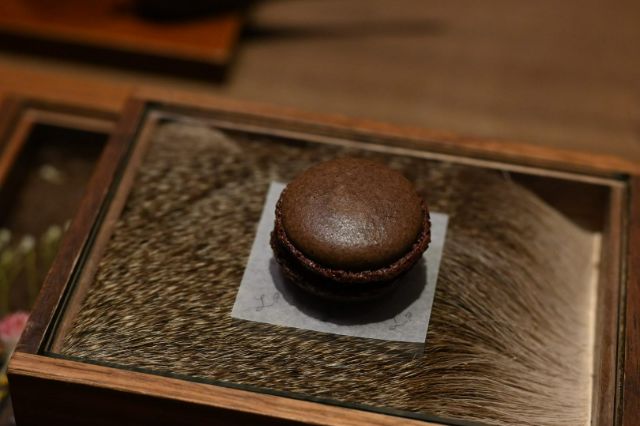
Dalam sebuah wawancara dengan jurnalis Jepang Mayuko Yamaguchi, Chef Murota menjelaskan bahwa cita rasa masakan Masakan Prancis pedesaanlah yang menginspirasinya untuk menjadi seorang koki. Saat masih SMP, ia terkesan dengan sosis darah babi klasik Masakan Prancis, boudin noir. Sebagian dari kenangan itu tentu tercermin dalam macaron darah khas Lature, ganache lembut seperti mentega dari darah rusa dan rempah-rempah yang diapit di antara dua bulatan sempurna kue almond.
Daging Berkelanjutan untuk Masa Depan
Pengalaman yang luar biasa ini adalah salah satu rahasia di balik masakan Chef Murota. Dengan menciptakan makanan yang benar-benar lezat yang dapat dinikmati oleh para penikmat kuliner Jepang dan internasional tanpa pretensi, Chef Murota percaya bahwa para profesional kuliner seperti dirinya dapat memecahkan beberapa masalah yang dihadapi masyarakat setiap hari. Memperkenalkan daging buruan sebagai makanan pokok, bukan sekadar hal baru, menurutnya, mungkin menjadi kuncinya, meskipun banyak negara tidak memiliki tradisi makanan berupa mengonsumsi daging buruan liar atau bahkan menikmati daging ternak dari ujung kepala hingga ujung ekor. Beberapa budaya, seperti Jepang, baru mulai menolak perburuan dan daging buruan dalam beberapa dekade terakhir.

Sang koki mengakui bahwa hewan buruan seperti bebek dan rusa yang hidup di daerah yang tercemar oleh aktivitas manusia atau ditangani secara tidak benar, bahkan ketika dianggap layak untuk digunakan sebagai daging, tidak memiliki kualitas yang akan mendorong rata-rata penikmat kuliner untuk sepenuhnya menyukai gibier. Kesadaran inilah yang mendorongnya untuk mencari pemahaman yang lebih dalam tentang terroir hewan dan hewan buruan itu sendiri.
Kursus ini banyak menggunakan bahan-bahan dari daerah penghasil bahan makanan paling mapan di Jepang, termasuk sebuah pertanian di Chiba yang dikontrak oleh Lature. Setiap tahun, staf meluangkan waktu untuk bekerja di pertanian tersebut, menjalin hubungan yang lebih dekat dengan bahan-bahan makanan mereka.
Alam
Tutup:Sewaktu-waktu
Harga rata-rata:[Dinner] 20,000 JPY / [Lunch] 7,000 JPY
Akses:6 menit berjalan kaki dari Pintu Keluar B1 Stasiun Omote-sando (Jalur Tokyo Metro Hanzomon, Ginza, dan Chiyoda), 7 menit berjalan kaki dari Pintu Keluar Hikarie Stasiun JR Shibuya
Alamat:B1F, Aoyama Luke Bldg., 2-2-2, Shibuya, Shibuya-ku, Tokyo Peta
Detail Lebih LanjutReservasi
Kursus
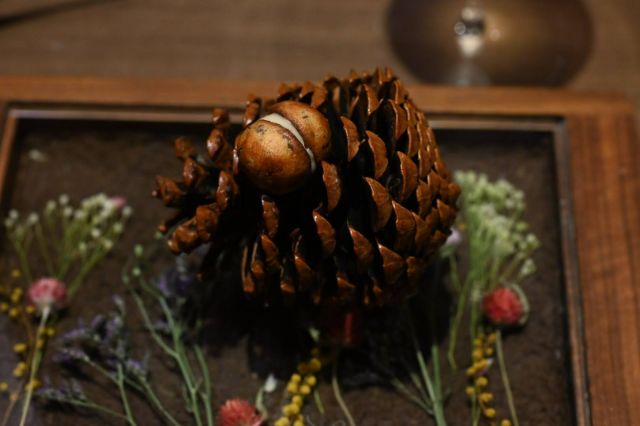
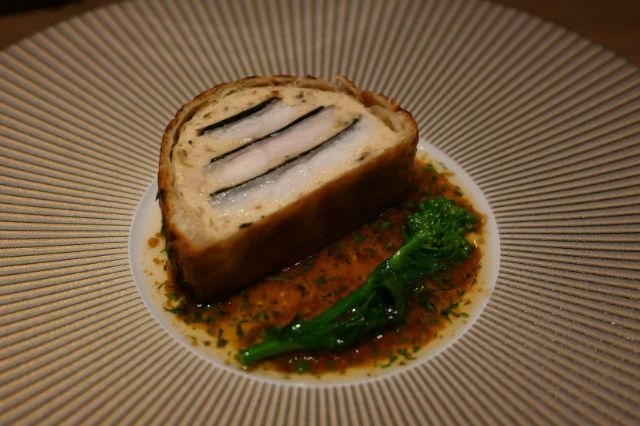
Hidangan Pembuka Dingin: Ikan Ekor Kuning yang terinspirasi dari Kurumi-soba
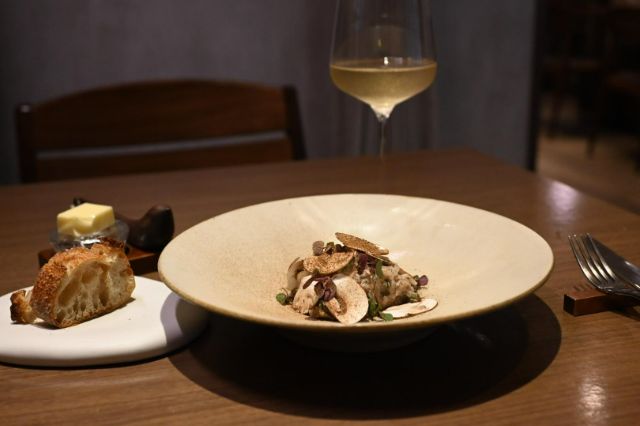
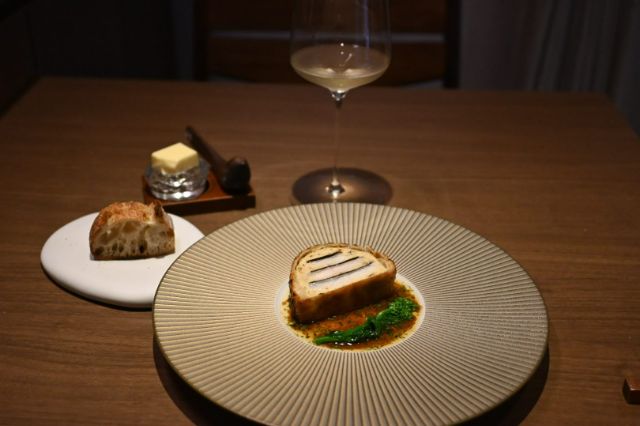
Sepasang Pai
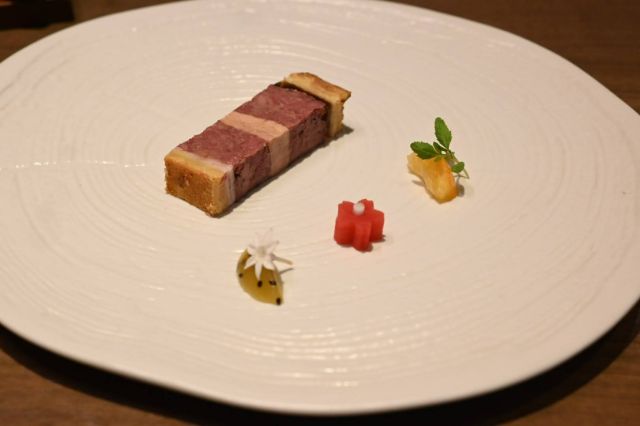
Kaldu jeli dan aksen acar serta pure buah menambah kesegaran pada hidangan dingin klasik yang memadukan berbagai protein. Adonan kue "croute" secukupnya untuk mempertahankan bentuknya, tetapi pada akhirnya hidangan ini menjadi mahakarya charcuterie liar, memungkinkan para tamu untuk menikmati aspek unik dari setiap hewan sedikit demi sedikit. Dengan membandingkan berbagai kualitas lezat dari setiap protein, para pengunjung dapat menghargai anugerah alam dan memahami nilai serta keserbagunaan daging buruan.
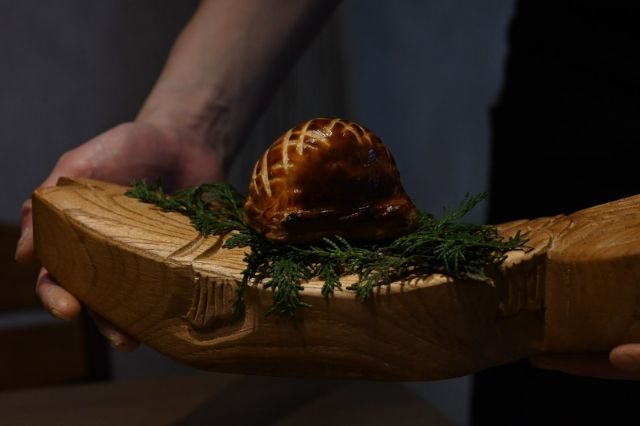
Ikan dan lembaran nori berselang-seling di dalamnya, dikelilingi oleh lapisan mousse tiram dan kerang Chiba. Sausnya memiliki cukup banyak rempah hijau untuk menjaga kesegaran hidangan yang lezat ini, dan tekstur renyah tachiuo memberikan kontras yang sangat baik dengan pâté creamy yang menjadi ciri khas pâté en croûte pedas.
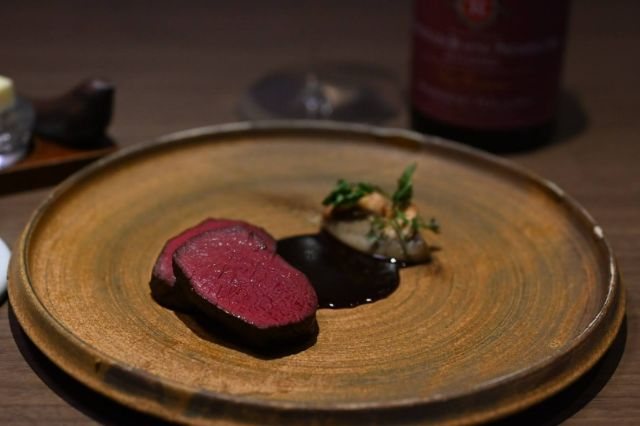
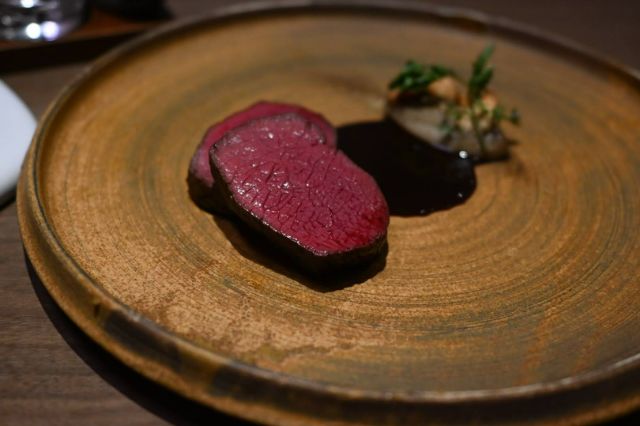
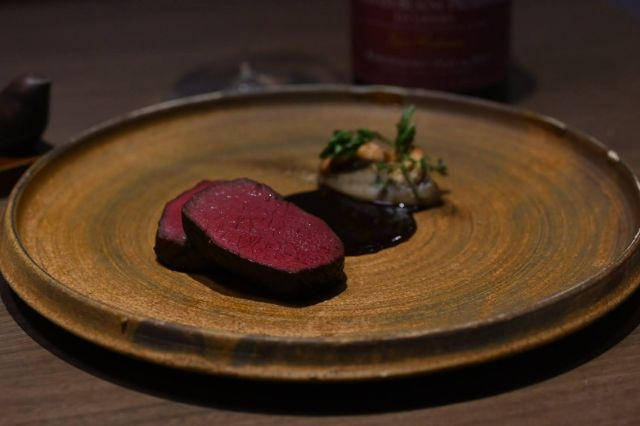
Daging rusa Hokkaido
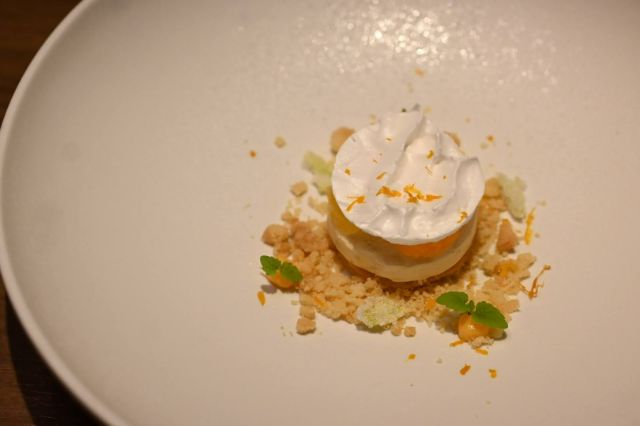
Hidangan penutup
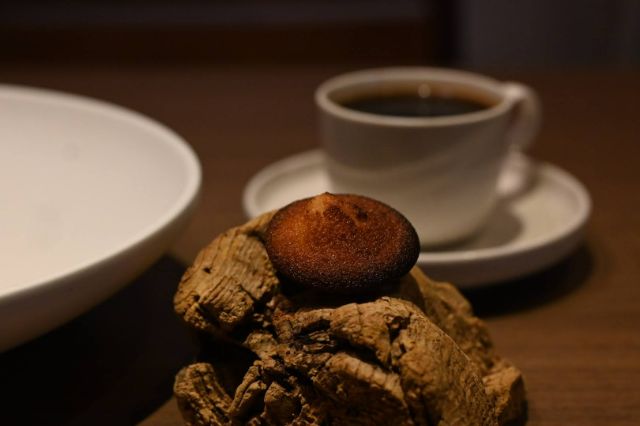
Tidak lebih menyengat daripada mentega tetapi kaya akan kesadaran bahwa konsumsinya melakukan sesuatu yang sedikit baik untuk planet ini, sosok pemodal itu terasa seperti pelengkap yang sempurna untuk arah petualangan Lature.
Warisan dan Makna Lature
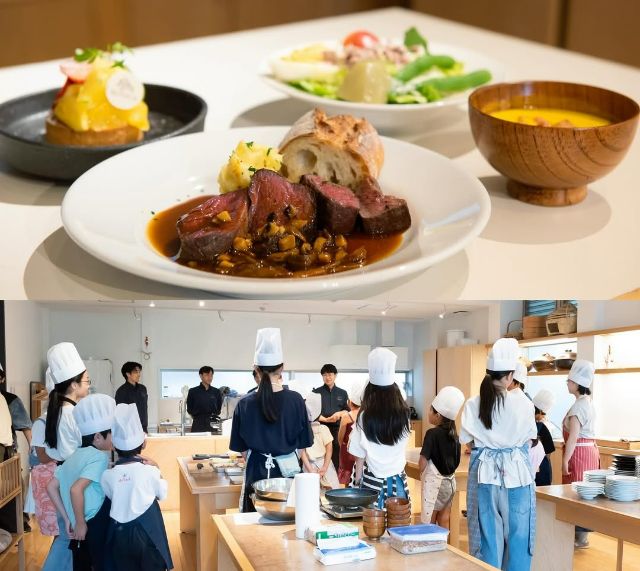
Ia telah bekerja sama dengan produsen makanan kaleng untuk mengembangkan produk berbasis daging buruan yang cepat saji dan menyelenggarakan lokakarya memasak untuk kaum muda guna memperkenalkan daging buruan sebagai sumber protein untuk masakan rumahan, dengan keyakinan bahwa jika daging buruan dapat diterima dan disebarluaskan ke meja makan sebagai makanan pokok, hal itu dapat menjadi jawaban atas beberapa perdebatan ekologis paling mendesak di Jepang. Mungkin suatu hari nanti murid-muridnya juga bisa menjadi koki, meneruskan mimpi Murota ke masa depan.
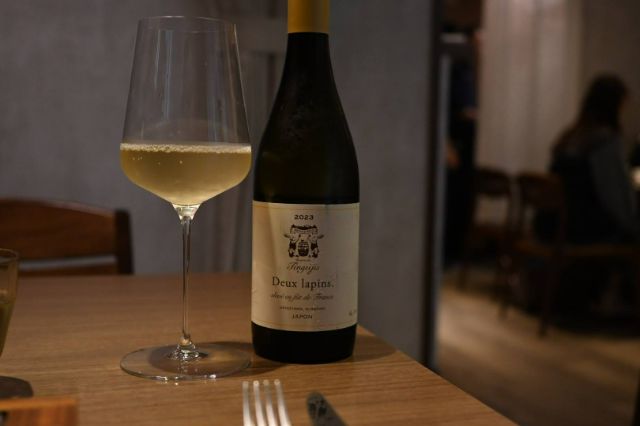
Bahkan daftar anggurnya pun menyeimbangkan botol-botol Masakan Prancis dengan anggur lokal. Kami menikmati anggur alami produksi prefektur Yamanashi yang terbuat dari anggur koshu lokal. Pemilik kebun anggur itu juga berbicara tentang pentingnya hewan dan alam liar dalam membantu anggur mereka menjadi yang terbaik. Bahkan namanya, Deux Lapins, mengundang gambaran kelinci liar di kebun sayur.
Makan Berkelanjutan Sekarang dan di Masa Depan
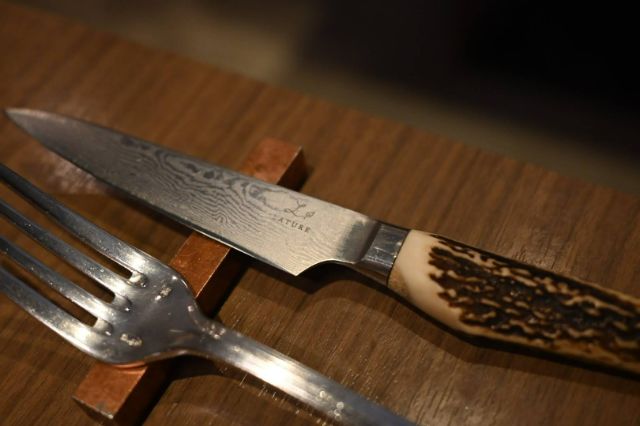
Dengan sedikit keberuntungan, dan kerja keras dari para koki seperti Murota, hidangan daging buruan akan menikmati kesuksesan yang sama dan menjadi sama populernya serta dikenal oleh para wisatawan seperti tamago-sando yang ikonik. Untuk saat ini, Lature adalah contoh terbaik dari gibier, tempat yang layak dikunjungi bagi siapa pun yang ingin mencoba sesuatu yang unik dan tak terlupakan selama kunjungan mereka.
Alam
Tutup:Sewaktu-waktu
Harga rata-rata:[Dinner] 20,000 JPY / [Lunch] 7,000 JPY
Akses:6 menit berjalan kaki dari Pintu Keluar B1 Stasiun Omote-sando (Jalur Tokyo Metro Hanzomon, Ginza, dan Chiyoda), 7 menit berjalan kaki dari Pintu Keluar Hikarie Stasiun JR Shibuya
Alamat:B1F, Aoyama Luke Bldg., 2-2-2, Shibuya, Shibuya-ku, Tokyo Peta
Detail Lebih LanjutReservasi
Penafian: Semua informasi yang tercantum akurat pada saat pertama kali dipublikasikan.
Terima kasih telah membaca artikel kami.
Tujuan kami adalah membawa perjalanan kuliner Anda ke tingkat berikutnya dengan membantu Anda menemukan restoran terbaik. Dengan SAVOR JAPAN, Anda dapat mencari dan membuat reservasi untuk
Restoran Masakan Prancis dan restoran Wine yang dapat ditemukan di dalam dan sekitar Shibuya dan Omotesando, Harajuku, Aoyama yang akan memenuhi kebutuhan Anda.
Temukan lebih banyak restoran Masakan Prancis dan restoran Wine berdasarkan wilayah.
- Daerah Tokyo
- Dekat dari Tokyo
- Daerah Kyoto dan Osaka
- Daerah Hokkaido
- Honshu Utara (Tohoku)
- Honshu Tengah (Chubu)
- Honshu Barat (Chugoku)
- Shikoku
- Kyushu
- Kepulauan Okinawa dan Ryukyu
Temukan lebih banyak restoran untuk menikmati Masakan Prancis/Italia dan Minuman Beralkohol berdasarkan wilayah.
Kata Kunci
Artikel Terkait
-

15 Kafe Terbaik di Harajuku, Shibuya, dan Ebisu yang Menyajikan Hidangan Penutup Lezat
Terdapat banyak kafe di seluruh Harajuku dan Shibuya, serta Ebisu, yang dikenal sebagai rumah bagi beberapa tempat makanan penutup terbaik di Tokyo. Banyak tempat terkenal bersaing ketat untuk menyajikan pancake terbaik di kota ini. Berikut adalah beberapa tempat yang menyajikan pancake lezat dan makanan penutup nikmat lainnya.
-
6 Restoran Populer untuk Menikmati Masakan Masakan Italia dan Masakan Prancis di Tokyo
Tokyo, ibu kota Jepang, adalah pusat berbagai tren dan budaya. Kota ini dipenuhi dengan restoran-restoran bergaya dan banyak tempat yang menawarkan masakan otentik dari seluruh dunia. Kelimpahan restoran kelas atas adalah hal yang unik bagi Tokyo. Kali ini, kami akan memperkenalkan restoran-restoran Masakan Italia dan Masakan Prancis berkualitas tinggi dan kreatif yang dapat dinikmati di Tokyo.
-
Nikmati Kedai Kopi dan Kafe Tradisional Jepang di Tokyo Kissaten ini
Apa itu kissaten Jepang, dan kissaten Tokyo mana yang terbaik untuk pemula? Simak pengantar singkat tentang kedai kopi tradisional Jepang ini yang mengajak para tamu untuk merasakan nostalgia, budaya kafe, dan asap yang masih terasa dari masa lalu.
-
Tokyo Oktober: Bersantap Jepang dengan Art & Vegan Shojin Ryori Omakase di Omotesando
Tokyo October menyajikan washoku klasik, termasuk shojin ryori vegan dan kaiseki di sebuah tempat yang menyerupai kuil yang dirancang oleh seniman Masakan Prancis. Seni dan arsitekturnya berasal dari rumah desain ternama, sementara makanannya diciptakan oleh seorang koki dengan minat dan studi mendalam tentang washoku. Ia telah mengikuti masakan tradisional Jepang hingga ke akarnya selama lebih dari tiga puluh tahun, dengan spesialisasi dalam upacara minum teh dan gastronomi Jepang.
-
Harus Mencoba Hokkaido Izakaya di Shibuya: Kushiroya
Shibuya penuh dengan tempat-tempat "tersembunyi", tetapi Anda akan tahu bahwa Anda telah menemukan Kushiroya ketika Anda menemukan lubang intip yang sebenarnya di bangunan Dogenzaka yang sederhana. Menuruni tangga, melewati foto-foto tamu, Chef Unuma menyajikan makanan izakaya dari kampung halamannya, Kushiro, di Hokkaido. Cicipi hidangan daerah yang langka dan rasakan keseruan serta keakraban izakaya Jepang "sempurna" ala koki tersebut.
Artikel Baru
-
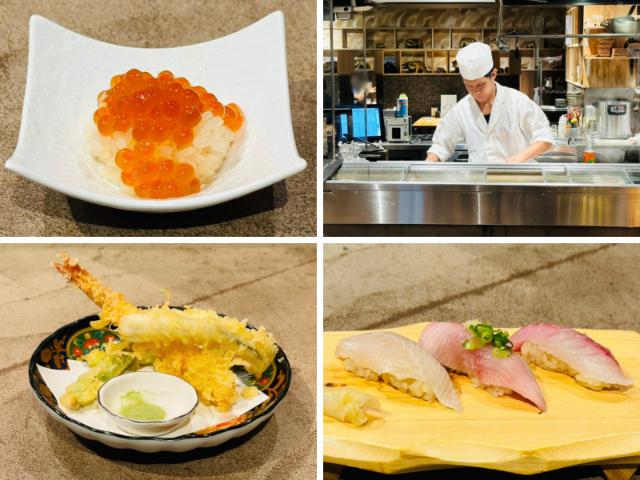
Makanan dan Sushi Hokkaido Terbaik di Tokyo: Hokkaisushi hingga Robata Sushiyama Shinjuku
-
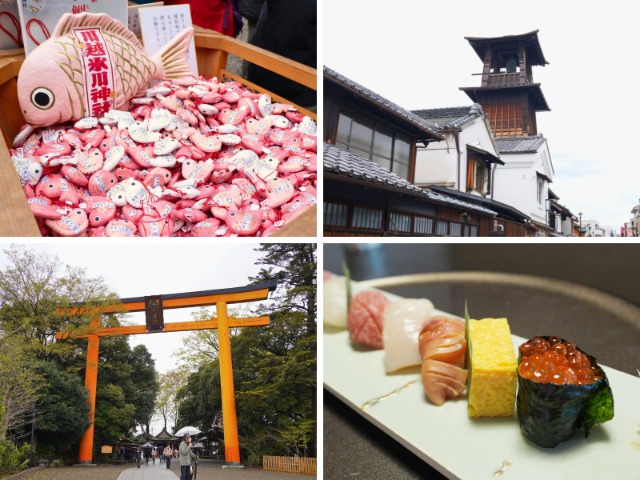
Kawagoe One-Day Tour Attractions Guide | Walking Route in Little Edo Near Tokyo, Visit Hikawa Shrine, Toki no Kane, and Kashi-ya Yokocho All in One Go
-
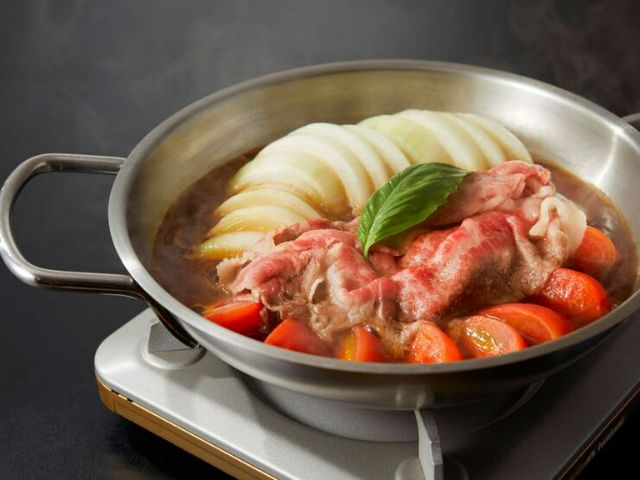
Kaiseki Mita Basara Bettei : Wagyu Sukiyaki untuk Makan Siang di Roppongi, Tokyo
-
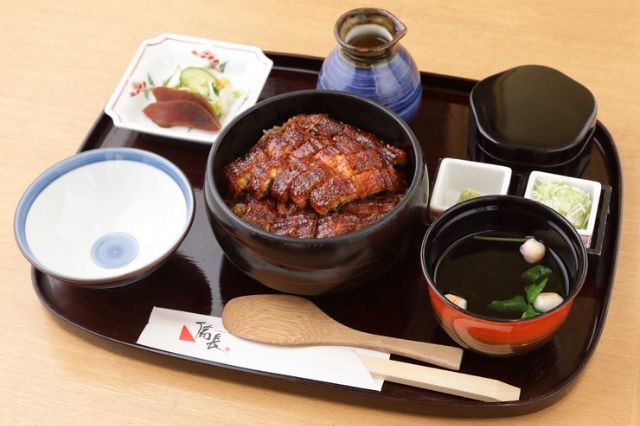
Restoran Unagi Terbaik di Tokyo: Pengalaman Hitsumabushi Premium di Sumiyaki Unafuji Tokyo Opera City
-
DepTH Brianza: Delight adalah Perjalanan ke Italia di Restoran Azabudai Hills ini
Kategori
Masakan
- Bars (24)
-
Japanese Cuisine (706)
- Kaiseki (50)
- Nabe (22)
- Okonomiyaki (26)
- Shabu Shabu (39)
- Soba (19)
- Sushi (152)
- Tempura (20)
- Teppanyaki (46)
- Shojin Ryori (4)
- Tonkatsu (16)
- Kushiyaki (10)
- Yakitori (46)
- Sukiyaki (38)
- Japanese Cuisine (344)
- Oyster (4)
- Sashimi/ Seafood (34)
- Unagi (eel) (38)
- Motsu Nabe (offal hotpot) (11)
- Mizutaki (chicken hot pot) (4)
- Oden (9)
- Kaisendon (seafood bowl) (12)
- Udon (3)
- Taverns(Izakaya) Cuisine (136)
- Western Cuisine (42)
- Italian/French Cuisine (98)
- Yakiniku/Steak (236)
- Chinese Cuisine (27)
- Ramen (Noodles) Cuisine (25)
- Cafe/Sweets (70)
- Other Asian Cuisine (5)
- Global/International Cuisine (7)
- Alcohol (58)
- Other (11)
Daerah
- Shikoku (10)
- Kyoto and Osaka (356)
-
Tokyo (493)
- Tokyo (309)
- Ginza (52)
- Roppongi (27)
- Shibuya (30)
- Shinjuku (52)
- Asakusa (21)
- Ebisu (15)
- Tsukiji (13)
- Tempat-tempat penting Tokyo (5)
- Ueno (24)
- Akihabara (9)
- Ikebukuro (14)
- Jiyugaoka, Denenchofu, Nakameguro (9)
- Shimokitazawa (4)
- Kichijoji (3)
- Tachikawa (1)
- Omotesando, Harajuku, Aoyama (20)
- Akabane (1)
- Kagurazaka (4)
- Akasaka (10)
- Odaiba (2)
- Tsukishima, Harumi, Toyosu (3)
- Near Tokyo (104)
- Okinawa dan Kepulauan Ryukyu (59)
- Hokkaido (125)
- Honshu Utara (Tohoku) (31)
- Central Honshu (Chubu) (147)
- Honshu Barat (Chugoku) (34)
- Kyushu (95)
Arsip
- August 2026(5)
- July 2026(11)
- June 2026(10)
- May 2026(7)
- April 2026(18)
- March 2026(3)
- February 2026(13)
- January 2026(11)
- December 2025(9)
- November 2025(4)
- October 2025(3)
- September 2025(6)
- August 2025(11)
- July 2025(19)
- June 2025(18)
- May 2025(34)
- April 2025(43)
- March 2025(30)
- February 2025(36)
- January 2025(26)
- December 2024(69)
- November 2024(31)
- October 2024(15)
- September 2024(39)
- August 2024(65)
- July 2024(31)
- June 2024(54)
- May 2024(61)
- April 2024(28)
- March 2024(31)
- February 2024(42)
- January 2024(32)
- December 2023(20)
- November 2023(5)
- October 2023(10)
- September 2023(7)
- August 2023(18)
- July 2023(8)
- June 2023(8)
- May 2023(18)
- April 2023(15)
- March 2023(1)
- January 2023(1)
- April 2022(2)
- March 2022(2)
- February 2022(1)
- January 2022(1)
- July 2021(1)
- March 2021(1)
- February 2021(1)
- December 2020(1)
- October 2020(1)
- September 2020(2)
- August 2020(10)
- July 2020(6)
- June 2020(9)
- May 2020(11)
- April 2020(8)
- March 2020(8)
- February 2020(13)
- January 2020(9)
- December 2019(24)
- November 2019(8)
- August 2019(14)
- July 2019(15)
- June 2019(18)
- May 2019(17)
- April 2019(16)
- March 2019(22)
- February 2019(22)
- January 2019(26)
- December 2018(34)
- November 2018(40)
- October 2018(32)
- September 2018(11)
- August 2018(8)
- July 2018(6)
- June 2018(9)
- May 2018(10)
- April 2018(21)
- March 2018(74)
- February 2018(39)
- January 2018(26)
- December 2017(60)
Kata Kunci
- Omakase
- Dapat diakses
- Terjangkau
- Makan Sepuasnya
- Pemandangan yang menakjubkan
- animasi
- Seni
- Musim gugur
- Penghargaan
- Taman Bir
- Sarapan
- Rekomendasi Koki
- Bunga Sakura
- Masakan Tionghoa
- Dekat Stasiun
- Bumbu pelengkap
- Menangkal
- Kupon
- Kepiting
- Budaya
- Dasai
- Tanggal
- pengiriman
- Awal Musim Panas
- Rekomendasi Editor
- Tersedia dalam Bahasa Inggris
- Peristiwa
- Pameran
- Daun Musim Gugur
- Ramah Keluarga
- Restoran Terkenal
- Tempat Wisata Terkenal
- Makanan Cepat Saji
- festival
- kembang api
- Perkebunan Bunga
- Gratis Wi-Fi
- Masakan Prancis
- Lokasi Bagus
- Memandu
- Ikan Hibachi
- makanan daging dan sayur
- Bagaimana Caranya
- bunga hortensia
- Kebersihan
- Penerangan
- Masakan Italia
- Izakaya
- Jepang
- alkohol jepang
- jingisukan
- Kaiseki
- Kappo
- Kushiage
- Kusikatsu
- Kyoto
- Larut Malam
- Makan siang
- Tata krama
- matsusakagyu
- Michelin
- mizutaki
- Kursus Model
- monjayaki
- motsunabe
- Gunung Fuji
- Menu Multibahasa
- Nabe
- Bandara Narita
- Tahun Baru
- Ninja
- Mi
- Oden
- Okonomiyaki
- omotenashi
- Pemandian air panas
- Osaka
- Osaka Stasiun
- Situs Fotogenik
- pizza
- hubungan masyarakat
- Kamar Pribadi
- Ramen
- peringkat
- Resep
- Masakan Daerah
- Resor
- Hidangan Mangkuk Nasi (Donburi)
- tempat-tempat suci
- Demi
- Sakura
- Sashimi
- bulu babi
- Daerah Setouchi
- Shabu-Shabu
- tamasya
- Hidangan Khas
- Soba
- Pengunjung Solo Dipersilakan
- Makanan Pedas
- Musim semi
- Steak
- Musim panas
- Bunga matahari
- Sushi
- bawa pulang
- Teppanyaki
- Tempat Duduk Teras
- Tokyo
- Pengalaman Tokyo
- Tokyo Skytree
- Menara Tokyo
- daging panggang
- UNESCO
- Makanan sehat
- Vegetarian
- Daging wagyu
- Apa Saja Rekomendasi Situs Kuliner Populer?
- Wiski
- Bar Wine
- Musim dingin
- Bunga wisteria
- Bengkel
- Situs Warisan Dunia
- Penulis Dunia
- Yakiniku
- Yoshoku
- Yuba
- Bahasa Zen
Temukan Restoran Berdasarkan Area
-

Daerah Tokyo
Kota terbesar di Jepang, Tokyo, merupakan pusat budaya kuliner di Jepang. Banyak sekali restoran Tokyo yang menyajikan berbagai jenis makanan yang dapat dibayangkan dan pasar ikan Toyosu menyediakan berbagai restoran dengan ikan-ikan terbaik di negara ini.
-

Dekat dari Tokyo
Daerah pesisir, pegunungan, dan lembah di sekitar Tokyo dipenuhi dengan tujuan wisata, seperti sumber air panas dan lereng ski, tempat banyak makanan unik yang hanya tersedia secara lokal.
-

Daerah Kyoto dan Osaka
Kota Kyoto dan Osaka, beserta daerah di sekitarnya, telah memengaruhi budaya kuliner Jepang sejak abad ke-7. Wilayah ini terkenal dengan hiburannya, daging sapi Kobe, dan beragam hidangan tradisional.
-

Daerah Hokkaido
Pulau Hokkaido merupakan rumah bagi berbagai macam hasil bumi dengan kualitas terbaik, seperti beras, daging, sayur, ikan, dan buah. Hidangan populer dari Hokkaido meliputi robatayaki (makanan yang dipanggang perlahan di tusuk sate) dan ramen miso Sapporo.
-

Honshu Utara (Tohoku)
Ujung utara pulau utama Jepang, Honshu, terkenal dengan buah dan sayur musimannya, panen ikan terbaik di negara ini (terutama tuna dari Ohma), dan daging sapi lezat dari Yonezawa, Sendai, dan Yamagata.
-

Honshu Tengah (Chubu)
Chubu terletak di tengah pulau utama Jepang, Honshu, dan budaya kulinernya mencerminkan posisinya di antara belahan barat dan timur Jepang. Daging sapi Hida yang lezat, Gunung Fuji yang terkenal di dunia, dan banyak pabrik sake yang diakui ada di Chubu.
-

Honshu Barat (Chugoku)
Chugoku, di barat daya pulau utama Jepang, kaya akan hasil bumi yang beragam. Banyak produknya dipuji sebagai yang terbaik di Jepang, termasuk kepiting Matsuba dari Tottori dan tiram dari Hiroshima. Pir dan muscatnya juga bermutu tinggi.
-

Shikoku
Iklim Shikoku yang sedang sangat cocok untuk menanam buah jeruk seperti sudachi. Shikoku juga terkenal dengan mi udon Sanuki, hasil panen udang windu yang melimpah dari Prefektur Ehime, dan torafugu (ikan bulat macan) terbaik di negara ini.
-

Kyushu
Budaya Masakan Barat pertama kali diperkenalkan ke Jepang melalui Kyushu, pulau terbesar ketiga di Jepang, di mana pengaruh masakan Portugis dan masakan Barat lainnya memengaruhi terciptanya tradisi kuliner yang penuh warna.
-

Kepulauan Okinawa dan Ryukyu
Okinawa, prefektur paling selatan Jepang, adalah gudang harta karun hidangan dan minuman khas yang telah populer di seluruh Jepang, termasuk soba Okinawa, topping sushi yang unik, dan minuman keras sulingan Awamori.