Cicipi Sup Belut Hamo di Choi Oden Shinjuku Honten Izakaya

About Oden
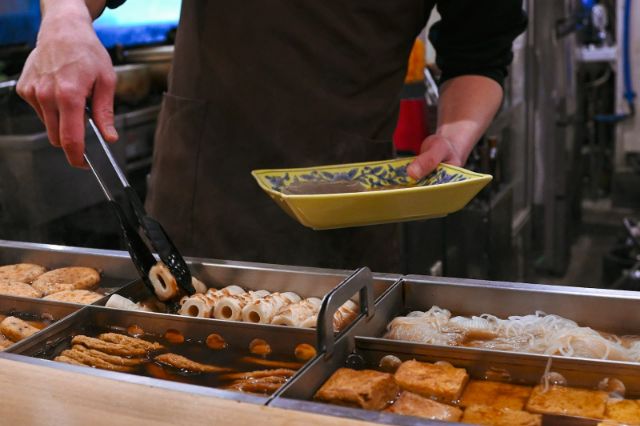
Oden is known for coming in a range of regional styles. That includes the dark, salty Shizuoka oden and the light seafood broth of Kanazawa oden. Most styles of oden are served in a bowl with spicy Japanese mustard, called karashi, and sometimes a green citrus-pepper paste called yuzukosho.
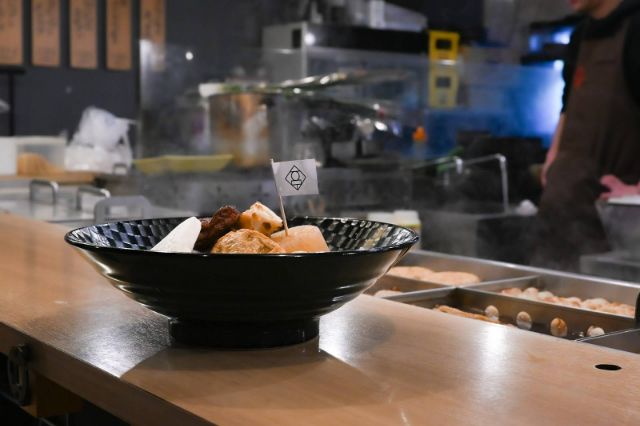
Traditional oden pieces include thick cut tofu, hard-boiled eggs, konjac, fish cake like chikuwa and hanpen, and daikon radish. Different regions have different traditions, but Choi Oden goes a step further to create an original oden that defies genre expectations.
Choi Oden Cabang Utama Shinjuku
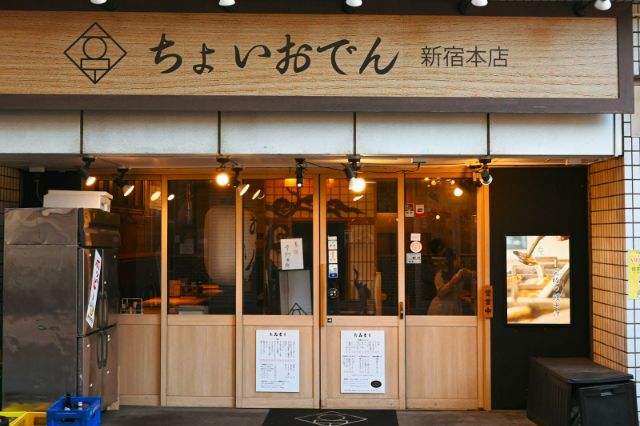
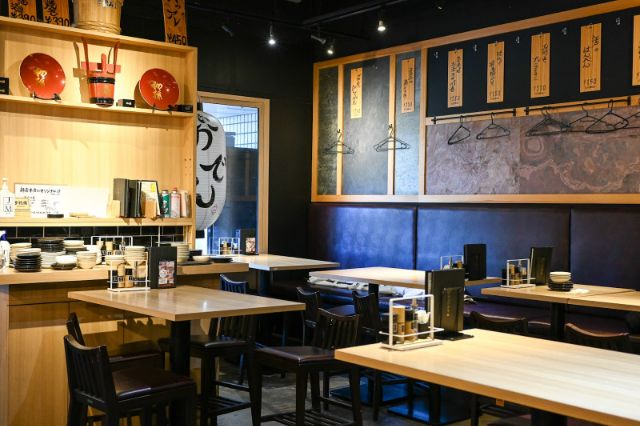
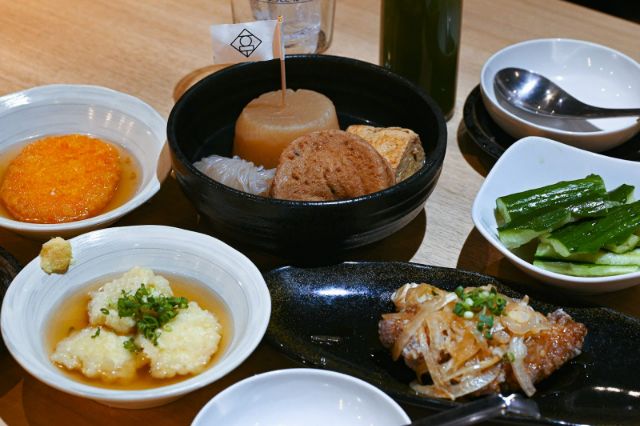
If you’re looking for an authentic slice of everyday life in Tokyo, this is a great place to experience it. You’ll find Japanese interpretations of Western flavors as well as home-grown favorites. Some are more traditional than others!
Choi Oden Cabang Utama Shinjuku
Tutup:Tidak Ada
Harga rata-rata:[Dinner] 4,000 JPY / [Lunch] 1,000 JPY
Akses:5 menit jalan kaki dari Stasiun Shinjuku di Jalur Toei Oedo / 3 menit jalan kaki dari Stasiun Seibu Shinjuku di Jalur Seibu Shinjuku / 114 m dari Stasiun Seibu Shinjuku
Alamat:1F, Sanko Park Bldg., 7-3-1, Nishi-Shinjuku, Shinjuku-ku, Tokyo Peta
Detail Lebih LanjutReservasi
Unique Hamo Dashi
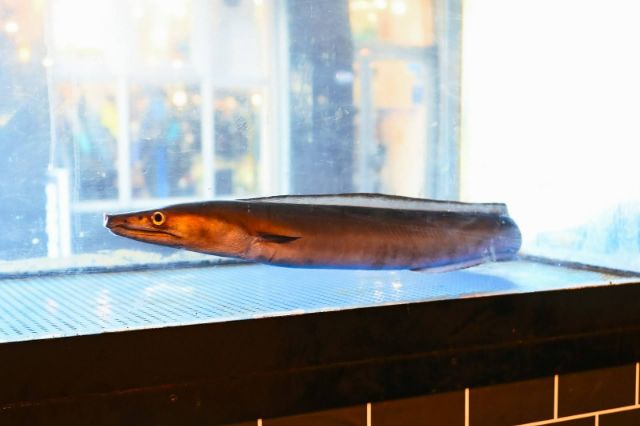
Although it might not seem that strange to simply substitute a different fish for the soup, Japan’s centuries of reliance on stock from dried bonito (with occasional forays into other tuna varieties or sardines) makes the use of fresh conger eel quite remarkable.
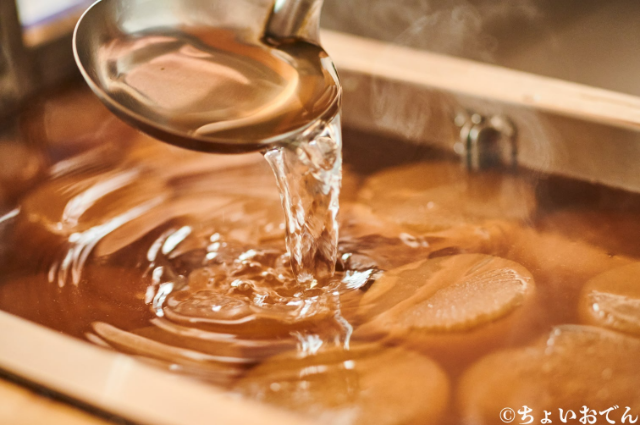
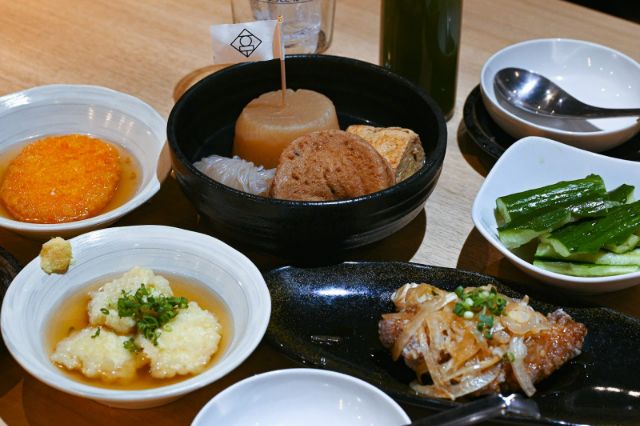
The dashi is almost more “Western” in some ways, which might account for menu items like garlic toast oden (250 JPY) and mac and cheese (420), that wouldn’t be found on your average oden menu. First time visitors will appreciate the not-too-salty soup as a compliment to the restaurant’s classic and creative oden.
Classic Menu Items
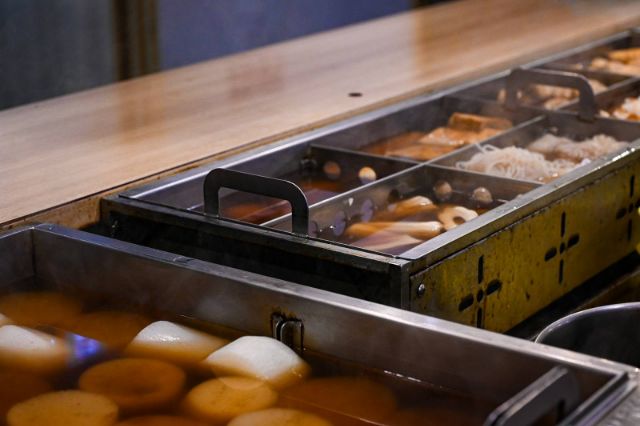
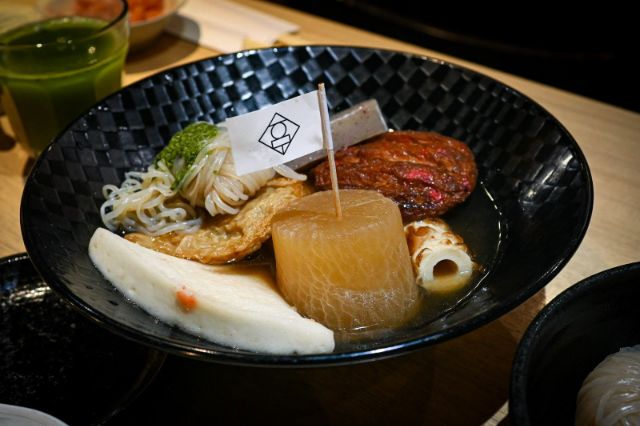
For oden, the staples are daikon, which staff say is cut extra large, shirataki or konnyaku (both made of the same stiff, jelly-like konjac root in different shapes), hard boiled egg (we substituted it with tamago-yaki oden!), and fish cakes.
Chikuwa and hanpen are some of the most iconic oden pieces. Chikuwa are tubes of fish cake that have a springy bite and mild fish flavor. Hanpen are white pillows of fishcake that are spongey and soak up lots of dashi broth.
Interestingly, a few common Oden ingredients, like atsuage tofu, weren’t on the menu during our visit, but it made for a fantastic reason to try Choi Oden’s unique offerings!
Choi Oden Cabang Utama Shinjuku
Tutup:Tidak Ada
Harga rata-rata:[Dinner] 4,000 JPY / [Lunch] 1,000 JPY
Akses:5 menit jalan kaki dari Stasiun Shinjuku di Jalur Toei Oedo / 3 menit jalan kaki dari Stasiun Seibu Shinjuku di Jalur Seibu Shinjuku / 114 m dari Stasiun Seibu Shinjuku
Alamat:1F, Sanko Park Bldg., 7-3-1, Nishi-Shinjuku, Shinjuku-ku, Tokyo Peta
Detail Lebih LanjutReservasi
Unique menu items
Agedashi Hamo
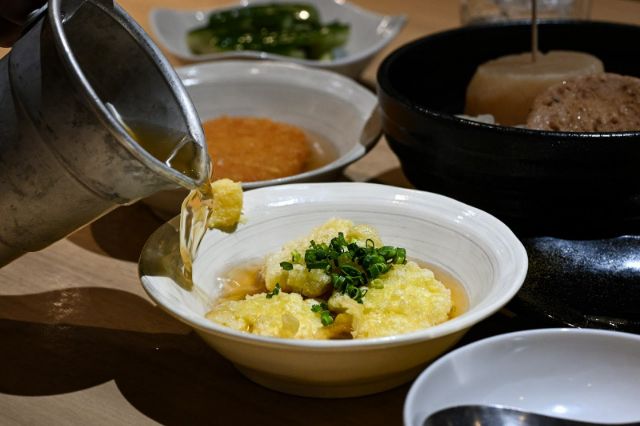
It’s best to eat the morsels right away, while the tempura batter is still a little crisp before soaking up the soup. Hamo, unlike the more familiar anago and unagi eels, is a bit springy. It has the simple flavor of white fish, allowing the dashi to really shine.
Korokke oden
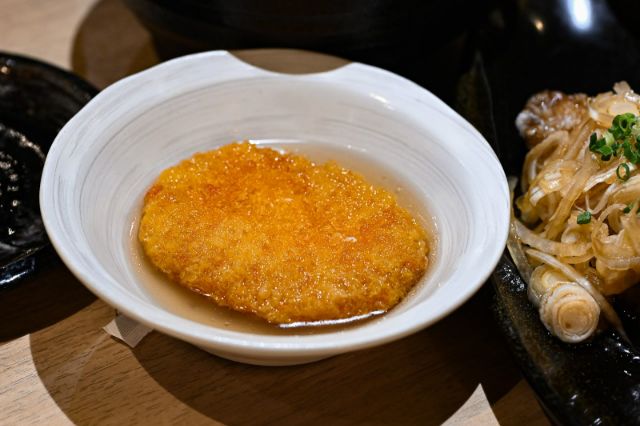
The croquette oden, according to Choi Oden staff, follows the simple rule that if it’s soaking in oden broth, then it counts as oden! The dish was inspired by a popular noodle order, korokke udon. This udon features a hot potato croquette laid on top of or soaking in a bowl of noodles. The croquette softens and absorbs the flavorful soup. The Choi Oden team thought, “hey, why not just serve the croquette!” And this surprising dish was born.
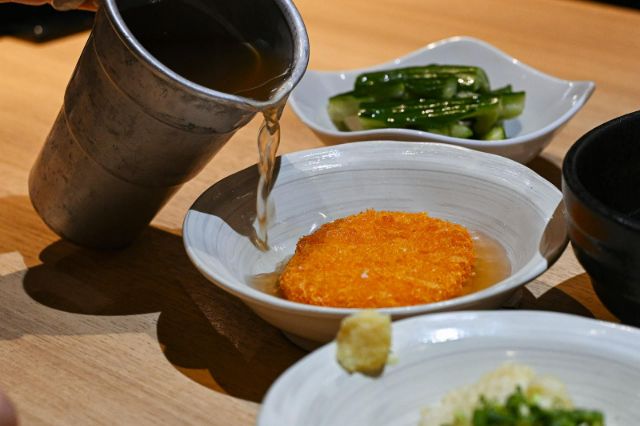
Oden sauce
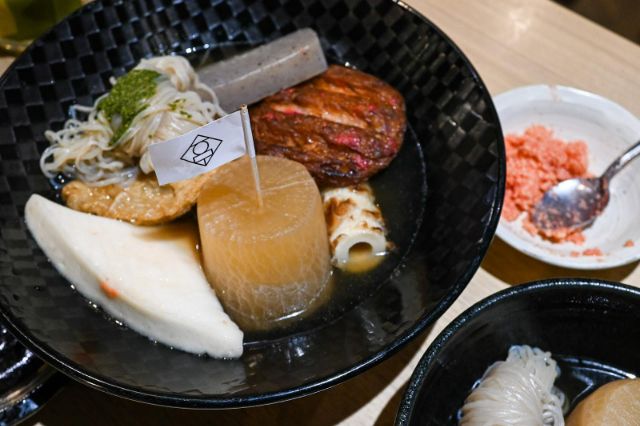
These additional flavors are a good way to add complexity and interest to the simple hamo broth. It’s especially recommended for guests who want to create their own original oden flavor. Mix and match toppings, sauces, and dry spices until you achieve your perfect bowl.
Nankotsu Soki Karaage
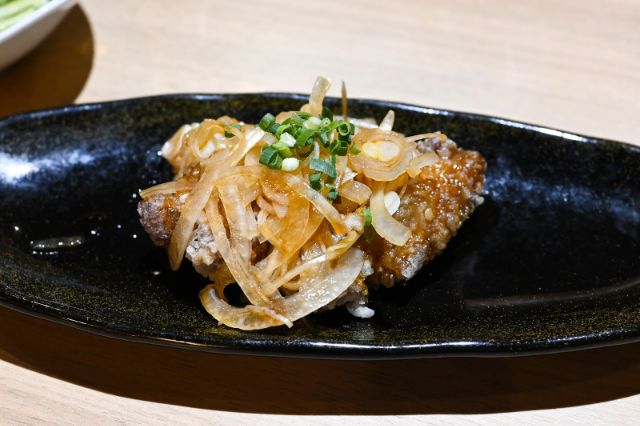
The nankotsu soki karaage (280 JPY) has a familiar flavor despite being so original, making it a crowd-pleaser for diners of all ages. These bites pack an intense flavor that actually blend beautifully into the mild oden broth as well. If you still haven’t gotten your fill of oden staff recommend an order of the same pork but soaked in oden soup, instead of fried, called “torotoro nankotsu soki oden.” (380 JPY)
Homemade beverages
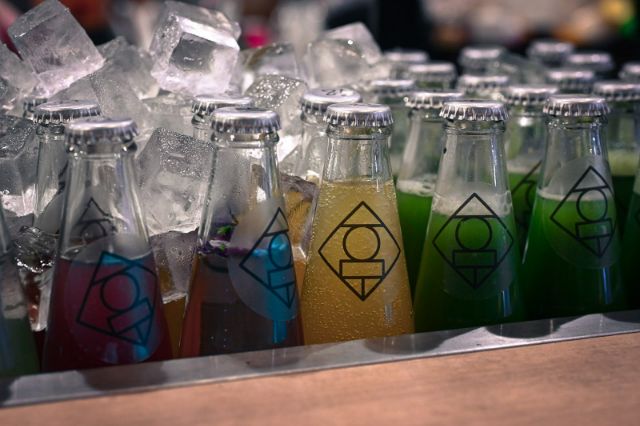
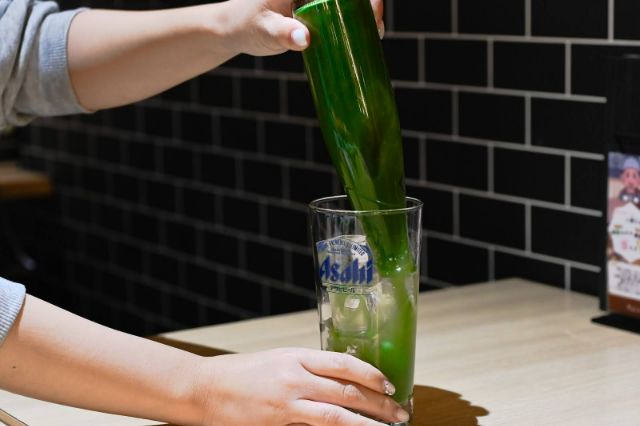
This isn’t just any green tea however. The Choi Oden team specially blended this ryokucha to be the perfect compliment to the glutamine and mineral levels in their hamo dashi. Real researchers looked at the pairing from a chemical level, helping the brand achieve an ideal balance.
Penutupan
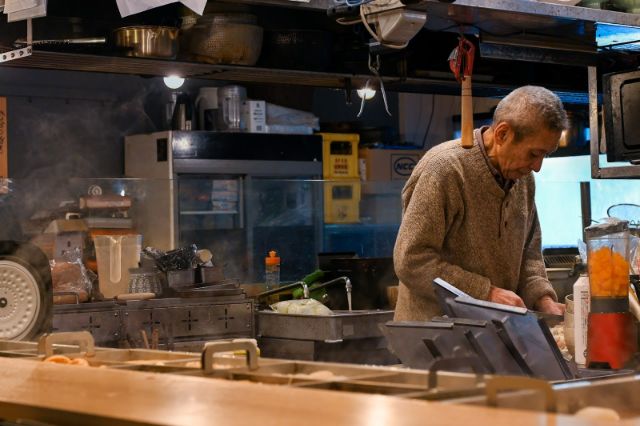
With its combination of taste-of-home classics and creative menu items that can only be found here, Choi Oden offers an experience for travelers that is both authentic and fun. Drop in, spend time with the locals who love to stop by after work, and you’ll get a memorable taste of everyday Japan on the streets of Shinjuku.
Choi Oden Cabang Utama Shinjuku
Tutup:Tidak Ada
Harga rata-rata:[Dinner] 4,000 JPY / [Lunch] 1,000 JPY
Akses:5 menit jalan kaki dari Stasiun Shinjuku di Jalur Toei Oedo / 3 menit jalan kaki dari Stasiun Seibu Shinjuku di Jalur Seibu Shinjuku / 114 m dari Stasiun Seibu Shinjuku
Alamat:1F, Sanko Park Bldg., 7-3-1, Nishi-Shinjuku, Shinjuku-ku, Tokyo Peta
Detail Lebih LanjutReservasi
Penafian: Semua informasi yang tercantum akurat pada saat pertama kali dipublikasikan.
Terima kasih telah membaca artikel kami.
Tujuan kami adalah membawa perjalanan kuliner Anda ke tingkat berikutnya dengan membantu Anda menemukan restoran terbaik. Dengan SAVOR JAPAN, Anda dapat mencari dan membuat reservasi untuk
Restoran Izakaya yang ditemukan di dalam dan sekitar Shinjuku yang memenuhi kebutuhan Anda.
Temukan lebih banyak restoran Izakaya berdasarkan area
- Daerah Tokyo
- Dekat dari Tokyo
- Daerah Kyoto dan Osaka
- Daerah Hokkaido
- Honshu Utara (Tohoku)
- Honshu Tengah (Chubu)
- Honshu Barat (Chugoku)
- Shikoku
- Kyushu
- Kepulauan Okinawa dan Ryukyu
Temukan lebih banyak restoran untuk makan Masakan Izakaya (Kedai Minum) berdasarkan area
Artikel Terkait
-
18 Best Shinjuku Restaurants for Dinner: Local Guide 2026
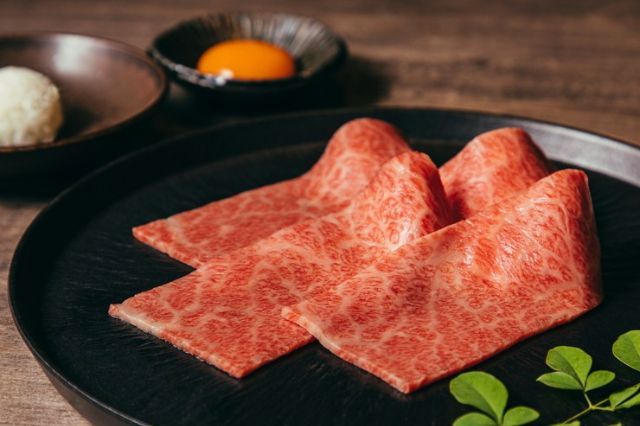
Japanese, Western, Chinese, BBQ, nabe (hot pot), Asian, bars — Shinjuku is said to have more than 8,000 restaurants. Here is the ultimate collection of 18 of the best spots for dinner, featuring premium Wagyu, Kobe beef, omakase sushi, and hidden izakayas, including exclusive first-hand reviews from our local writers!
-
10 Yakitori Terbaik di Tokyo: Tempat-Tempat Terbaik & Pemesanan Mudah
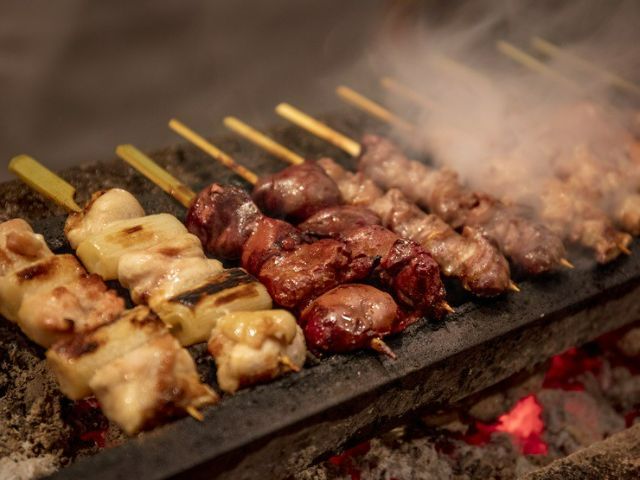
Ingin menikmati yakitori otentik di Tokyo? Temukan 10 pilihan restoran yakitori terbaik kami—mulai dari ikon lokal terkenal di dunia hingga permata tersembunyi yang penuh gaya. Baik Anda ingin memesan meja secara online terlebih dahulu atau mengunjungi tempat-tempat legendaris, jelajahi sate panggang arang terbaik di Tokyo di sini.
-
Rekomendasi Makan Malam di Shibuya: 15 Restoran Populer di Kalangan Warga Lokal
Shibuya adalah destinasi populer bagi banyak turis asing. Di area Tokyo yang ramai ini, banyak restoran bersaing ketat, sehingga agak sulit untuk memilih tempat makan. Kali ini, 15 restoran makan malam yang direkomendasikan di Shibuya telah dipilih dengan cermat.
-
Ramen dan Tsukemen Terbaik Di Shinjuku
Memegang rekor sebagai stasiun kereta api tersibuk di dunia, kemungkinan besar Anda akan mengunjungi Shinjuku selama berada di Jepang. Dengan pilihan belanja dan hiburan yang tak terhitung jumlahnya, mulai dari kepala Godzilla raksasa di atas Kabukicho hingga ketenangan Taman Nasional Shinjuku Gyoen, Anda pasti akan merasa lapar. Setiap kali saya mengunjungi Shinjuku, saya suka mencoba kedai ramen baru, dan telah menemukan beberapa permata tersembunyi yang benar-benar lezat. Ada juga beberapa pilihan tsukemen (ramen celup) yang luar biasa yang memungkinkan Anda merasakan kualitas mie buatan sendiri yang tinggi saat Anda mencelupkannya ke dalam berbagai pilihan sup krim, kental, atau kecap. Untuk menghemat waktu dan mengurangi stres dalam memilih, berikut adalah lima kedai ramen favorit saya di Shinjuku.
-
Makanan dan Sushi Hokkaido Terbaik di Tokyo: Hokkaisushi hingga Robata Sushiyama Shinjuku
Mencari makanan dan sushi Hokkaido terbaik di Tokyo? Di Hokkaisushi to Robata Sushiyama Shinjuku, Anda dapat menikmati cita rasa pulau utara Jepang melalui hidangan laut pilihan, bahan-bahan musiman, sushi yang disiapkan dengan indah, hidangan panggang spesial, dan minuman otentik yang terinspirasi Hokkaido, semuanya hanya beberapa menit dari Stasiun Shinjuku.
![[Hokkaido] 5 Restoran Terpopuler & Pilihan Editor di Sekitar Sapporo](https://rimage.savorjapan.com/svj/image/discover_oishii_japan/6979/article_head.jpg?t=1772017426)
Artikel Baru
-
A Peaceful Day Trip from Tokyo: Discover the Hidden Charm of Kita-Kamakura
-
Makanan dan Sushi Hokkaido Terbaik di Tokyo: Hokkaisushi hingga Robata Sushiyama Shinjuku
-
![[Panduan Restoran Tokyo] Hibiya Palace|Restoran Masakan Prancis di Taman Hibiya: Makan Siang, Harga Menu & Tips Reservasi](https://rimage.savorjapan.com/svj/image/discover_oishii_japan/7238/article_head_150x105z.jpg?t=1786598582)
[Panduan Restoran Tokyo] Hibiya Palace|Restoran Masakan Prancis di Taman Hibiya: Makan Siang, Harga Menu & Tips Reservasi
-
Panduan Atraksi Wisata Satu Hari di Kawagoe | Rute Jalan Kaki di Little Edo Dekat dari Tokyo, Kunjungi Kuil Hikawa, Toki no Kane, dan Kashi-ya Yokocho Sekaligus
-
Kaiseki Mita Basara Bettei : Wagyu Sukiyaki untuk Makan Siang di Roppongi, Tokyo
Kategori
Masakan
- Bars (24)
-
Japanese Cuisine (705)
- Kaiseki (50)
- Nabe (22)
- Okonomiyaki (25)
- Shabu Shabu (39)
- Soba (19)
- Sushi (151)
- Tempura (20)
- Teppanyaki (45)
- Shojin Ryori (4)
- Tonkatsu (16)
- Kushiyaki (10)
- Yakitori (46)
- Sukiyaki (36)
- Japanese Cuisine (344)
- Oyster (3)
- Sashimi/ Seafood (34)
- Unagi (eel) (37)
- Motsu Nabe (offal hotpot) (12)
- Mizutaki (chicken hot pot) (4)
- Oden (9)
- Kaisendon (seafood bowl) (12)
- Udon (3)
- Taverns(Izakaya) Cuisine (136)
- Western Cuisine (42)
- Italian/French Cuisine (98)
- Yakiniku/Steak (236)
- Chinese Cuisine (27)
- Ramen (Noodles) Cuisine (25)
- Cafe/Sweets (71)
- Other Asian Cuisine (5)
- Global/International Cuisine (7)
- Alcohol (58)
- Other (11)
Daerah
- Shikoku (10)
- Kyoto and Osaka (357)
-
Tokyo (493)
- Tokyo (309)
- Ginza (52)
- Roppongi (27)
- Shibuya (30)
- Shinjuku (52)
- Asakusa (21)
- Ebisu (15)
- Tsukiji (13)
- Tempat-tempat penting Tokyo (5)
- Ueno (24)
- Akihabara (9)
- Ikebukuro (14)
- Jiyugaoka, Denenchofu, Nakameguro (9)
- Shimokitazawa (4)
- Kichijoji (3)
- Tachikawa (1)
- Omotesando, Harajuku, Aoyama (20)
- Akabane (1)
- Kagurazaka (4)
- Akasaka (10)
- Odaiba (2)
- Tsukishima, Harumi, Toyosu (3)
- Near Tokyo (105)
- Okinawa dan Kepulauan Ryukyu (59)
- Hokkaido (125)
- Honshu Utara (Tohoku) (31)
- Central Honshu (Chubu) (146)
- Honshu Barat (Chugoku) (33)
- Kyushu (95)
Arsip
- September 2026(1)
- August 2026(6)
- July 2026(11)
- June 2026(10)
- May 2026(7)
- April 2026(18)
- March 2026(3)
- February 2026(13)
- January 2026(11)
- December 2025(9)
- November 2025(4)
- October 2025(3)
- September 2025(6)
- August 2025(11)
- July 2025(19)
- June 2025(18)
- May 2025(34)
- April 2025(43)
- March 2025(30)
- February 2025(36)
- January 2025(26)
- December 2024(69)
- November 2024(31)
- October 2024(15)
- September 2024(38)
- August 2024(65)
- July 2024(31)
- June 2024(54)
- May 2024(61)
- April 2024(28)
- March 2024(31)
- February 2024(42)
- January 2024(32)
- December 2023(20)
- November 2023(5)
- October 2023(10)
- September 2023(7)
- August 2023(18)
- July 2023(8)
- June 2023(8)
- May 2023(18)
- April 2023(15)
- March 2023(1)
- January 2023(1)
- April 2022(2)
- March 2022(2)
- February 2022(1)
- January 2022(1)
- July 2021(1)
- March 2021(1)
- February 2021(1)
- December 2020(1)
- October 2020(1)
- September 2020(2)
- August 2020(10)
- July 2020(6)
- June 2020(9)
- May 2020(11)
- April 2020(8)
- March 2020(8)
- February 2020(13)
- January 2020(9)
- December 2019(24)
- November 2019(8)
- August 2019(14)
- July 2019(15)
- June 2019(18)
- May 2019(17)
- April 2019(16)
- March 2019(22)
- February 2019(22)
- January 2019(26)
- December 2018(34)
- November 2018(40)
- October 2018(32)
- September 2018(11)
- August 2018(8)
- July 2018(6)
- June 2018(9)
- May 2018(10)
- April 2018(21)
- March 2018(74)
- February 2018(39)
- January 2018(26)
- December 2017(60)
Kata Kunci
- Omakase
- Dapat diakses
- Terjangkau
- Makan Sepuasnya
- Pemandangan yang menakjubkan
- animasi
- Seni
- Musim gugur
- Penghargaan
- Taman Bir
- Sarapan
- Rekomendasi Koki
- Bunga Sakura
- Masakan Tionghoa
- Dekat Stasiun
- Bumbu pelengkap
- Menangkal
- Kupon
- Kepiting
- Budaya
- Dasai
- Tanggal
- pengiriman
- Awal Musim Panas
- Rekomendasi Editor
- Tersedia dalam Bahasa Inggris
- Peristiwa
- Pameran
- Daun Musim Gugur
- Ramah Keluarga
- Restoran Terkenal
- Tempat Wisata Terkenal
- Makanan Cepat Saji
- festival
- kembang api
- Perkebunan Bunga
- Gratis Wi-Fi
- Masakan Prancis
- Lokasi Bagus
- Memandu
- Ikan Hibachi
- makanan daging dan sayur
- Bagaimana Caranya
- bunga hortensia
- Kebersihan
- Penerangan
- Masakan Italia
- Izakaya
- Jepang
- alkohol jepang
- jingisukan
- Kaiseki
- Kappo
- Kushiage
- Kusikatsu
- Kyoto
- Larut Malam
- Makan siang
- Tata krama
- matsusakagyu
- Michelin
- mizutaki
- Kursus Model
- monjayaki
- motsunabe
- Gunung Fuji
- Menu Multibahasa
- Nabe
- Bandara Narita
- Tahun Baru
- Ninja
- Mi
- Oden
- Okonomiyaki
- omotenashi
- Pemandian air panas
- Osaka
- Osaka Stasiun
- Situs Fotogenik
- pizza
- hubungan masyarakat
- Kamar Pribadi
- Ramen
- peringkat
- Resep
- Masakan Daerah
- Resor
- Hidangan Mangkuk Nasi (Donburi)
- tempat-tempat suci
- Demi
- Sakura
- Sashimi
- bulu babi
- Daerah Setouchi
- Shabu-Shabu
- tamasya
- Hidangan Khas
- Soba
- Pengunjung Solo Dipersilakan
- Makanan Pedas
- Musim semi
- Steak
- Musim panas
- Bunga matahari
- Sushi
- bawa pulang
- Teppanyaki
- Tempat Duduk Teras
- Tokyo
- Pengalaman Tokyo
- Tokyo Skytree
- Menara Tokyo
- daging panggang
- UNESCO
- Makanan sehat
- Vegetarian
- Daging wagyu
- Apa Saja Rekomendasi Situs Kuliner Populer?
- Wiski
- Bar Wine
- Musim dingin
- Bunga wisteria
- Bengkel
- Situs Warisan Dunia
- Penulis Dunia
- Yakiniku
- Yoshoku
- Yuba
- Bahasa Zen
Temukan Restoran Berdasarkan Area
-

Daerah Tokyo
Kota terbesar di Jepang, Tokyo, merupakan pusat budaya kuliner di Jepang. Banyak sekali restoran Tokyo yang menyajikan berbagai jenis makanan yang dapat dibayangkan dan pasar ikan Toyosu menyediakan berbagai restoran dengan ikan-ikan terbaik di negara ini.
-

Dekat dari Tokyo
Daerah pesisir, pegunungan, dan lembah di sekitar Tokyo dipenuhi dengan tujuan wisata, seperti sumber air panas dan lereng ski, tempat banyak makanan unik yang hanya tersedia secara lokal.
-

Daerah Kyoto dan Osaka
Kota Kyoto dan Osaka, beserta daerah di sekitarnya, telah memengaruhi budaya kuliner Jepang sejak abad ke-7. Wilayah ini terkenal dengan hiburannya, daging sapi Kobe, dan beragam hidangan tradisional.
-

Daerah Hokkaido
Pulau Hokkaido merupakan rumah bagi berbagai macam hasil bumi dengan kualitas terbaik, seperti beras, daging, sayur, ikan, dan buah. Hidangan populer dari Hokkaido meliputi robatayaki (makanan yang dipanggang perlahan di tusuk sate) dan ramen miso Sapporo.
-

Honshu Utara (Tohoku)
Ujung utara pulau utama Jepang, Honshu, terkenal dengan buah dan sayur musimannya, panen ikan terbaik di negara ini (terutama tuna dari Ohma), dan daging sapi lezat dari Yonezawa, Sendai, dan Yamagata.
-

Honshu Tengah (Chubu)
Chubu terletak di tengah pulau utama Jepang, Honshu, dan budaya kulinernya mencerminkan posisinya di antara belahan barat dan timur Jepang. Daging sapi Hida yang lezat, Gunung Fuji yang terkenal di dunia, dan banyak pabrik sake yang diakui ada di Chubu.
-

Honshu Barat (Chugoku)
Chugoku, di barat daya pulau utama Jepang, kaya akan hasil bumi yang beragam. Banyak produknya dipuji sebagai yang terbaik di Jepang, termasuk kepiting Matsuba dari Tottori dan tiram dari Hiroshima. Pir dan muscatnya juga bermutu tinggi.
-

Shikoku
Iklim Shikoku yang sedang sangat cocok untuk menanam buah jeruk seperti sudachi. Shikoku juga terkenal dengan mi udon Sanuki, hasil panen udang windu yang melimpah dari Prefektur Ehime, dan torafugu (ikan bulat macan) terbaik di negara ini.
-

Kyushu
Budaya Masakan Barat pertama kali diperkenalkan ke Jepang melalui Kyushu, pulau terbesar ketiga di Jepang, di mana pengaruh masakan Portugis dan masakan Barat lainnya memengaruhi terciptanya tradisi kuliner yang penuh warna.
-

Kepulauan Okinawa dan Ryukyu
Okinawa, prefektur paling selatan Jepang, adalah gudang harta karun hidangan dan minuman khas yang telah populer di seluruh Jepang, termasuk soba Okinawa, topping sushi yang unik, dan minuman keras sulingan Awamori.