Tempura Kitagawa adalah Ruang Bawah Tanah Rahasia di Ebisu yang Menyembunyikan Omakase yang Luar Biasa
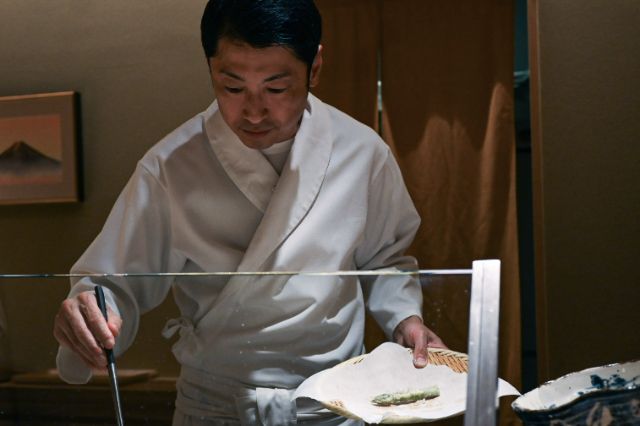

Menu Omakase yang Luar Biasa, Penuh Kejutan
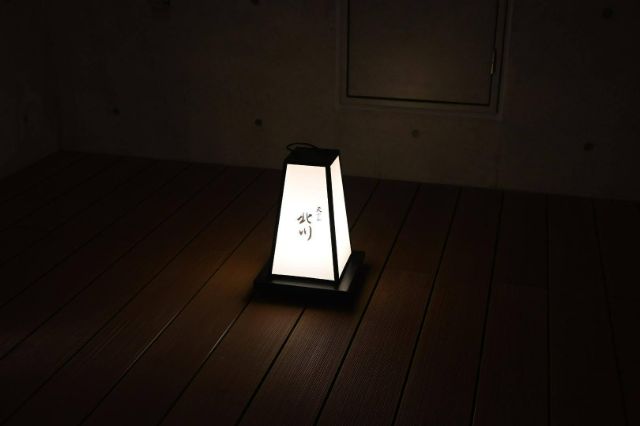
Jika Anda tidak menyelidiki lebih lanjut, Anda mungkin akan mengira Kitagawa adalah nama koki, seperti yang lazim, tetapi tidak demikian halnya dengan Tempura Kitagawa yang merupakan usaha mandiri. Jika Anda sedikit menggali informasi, ternyata nama toko tersebut merupakan penghormatan terselubung kepada istri Chef Naohiko Murata; Keiko Kitagawa adalah aktris favoritnya.
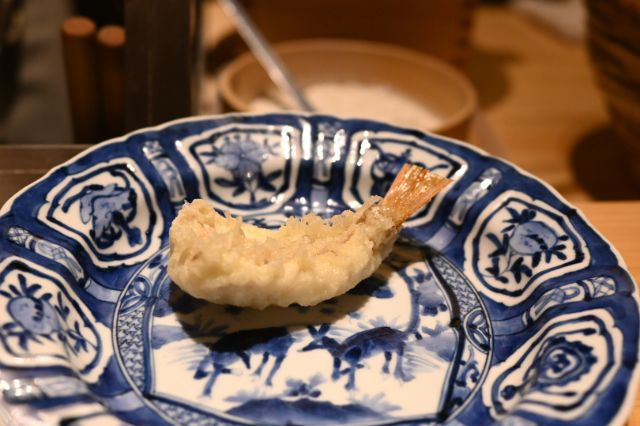
Sepanjang hidangan, Chef Murata terus mengejutkan dan menyenangkan dengan detail-detail yang hanya terungkap jika Anda mengajukan pertanyaan yang tepat. Ambil contoh garamnya. Ini adalah varietas dari Prancis, yang kaya akan mineral dan umami yang sangat cocok melengkapi tempura. Daikon oroshi, yang dikerok oleh tamu lain ke dalam mangkuk tsuyu yang dihangatkan perlahan, berfungsi sebagai pembersih langit-langit mulut yang manis dan menyegarkan di antara suapan.
Tempura Kitagawa
Tutup:Minggu
Harga rata-rata:[Dinner] 25,000 JPY
Akses:4 menit berjalan kaki dari Pintu Keluar Barat Stasiun JR Ebisu
Alamat:B1A, EX Ebisu Minami Bldg., 1-17-15, Ebisu-Minami, Shibuya-ku, Tokyo Peta
Detail Lebih LanjutReservasi
Tentang Koki
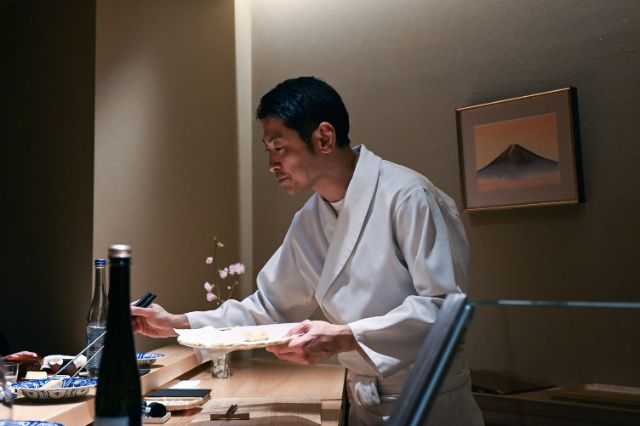
Chef Murata berasal dari keluarga pemilik restoran. Ia mulai bekerja di restoran sushi keluarganya pada usia 17 tahun sebelum pindah ke Tokyo hanya tiga tahun kemudian. Dekade pertama kariernya sama menarik dan semaraknya dengan menu di Tempura Kitagawa. Bolak-balik selama beberapa tahun, sang koki menghabiskan usia 20-an di berbagai industri antara Tokyo dan Shizuoka sebagai DJ, di lounge, dan bahkan pernah membuka salon perawatan kulit dan kuku. Namun, dalam sebuah wawancara dengan situs restoran Jepang ternama, ia mengatakan bahwa ia masih merasakan desakan untuk menjadi seorang koki yang belum selesai.
Langkah mandiri pertama Naohiko Murata di bidang kuliner adalah sebuah kedai ramen di Shizuoka, yang ia kelola sambil belajar secara mandiri untuk menjadi koki tempura. Daya tarik prefektur asalnya telah mewarnai karier Chef Murata sejak awal. Bahan-bahan yang bersumber dari pelabuhan Yaizu, Fujinomiya, dan daerah yang lebih jauh membanjiri menu, mencerminkan masa kecilnya dan pengalaman bersantap yang mengubah hidupnya di sebuah restoran tempura legendaris Shizuoka– pengalaman yang justru memicu hasratnya sendiri terhadap tempura.
Tentang Bahan-Bahan
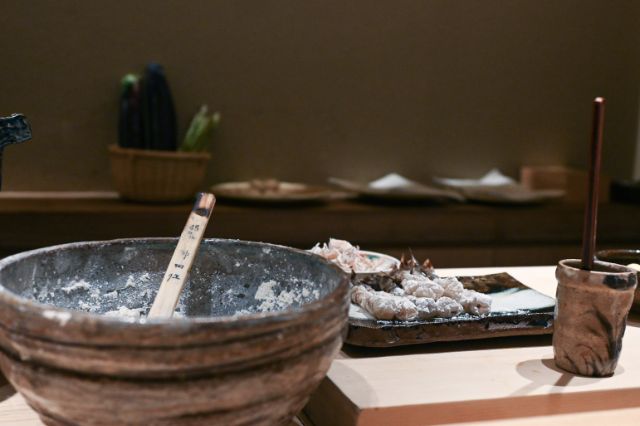
Hidangan Tempura Kitagawa, dalam kasus kami, terdiri dari lebih dari lima belas potongan kecil. Menunya mencakup sayuran pilihan dan tempura makanan laut langka, ditambah berbagai hidangan kecil yang disebut "otsumami". Terlepas dari latar belakang kulinernya, ramen tidak masuk dalam menu, begitu pula sushi. Dengan cara ini, koki tersebut menempuh jalan yang hanya didorong oleh hasratnya sendiri. Sebagai gantinya, nikmati mi Anda sebagai kuzu somen dan hargai tekstur yang hampir mentah dari ikan goreng yang dimasak dengan ahli.
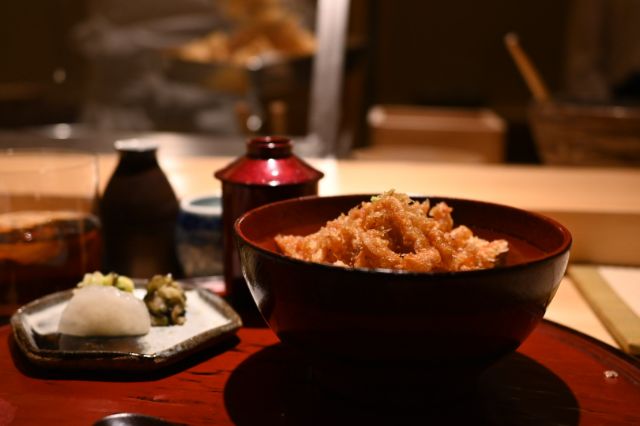
Meskipun musim semi, pilihan musiman seperti kerang dan sansai digunakan secara terbatas. Sansai adalah sayuran gunung liar, hidangan ikonik yang digunakan di seluruh masakan Jepang, tetapi khususnya tempura, dari akhir Januari hingga pertengahan Mei atau lebih lambat. Keputusan untuk mengurangi penekanan pada sansai memberi banyak ruang bagi pertanian Shizuoka untuk bersinar, meskipun rebung dan udang sakura yang sangat musiman sebagai hidangan penutup tetap menjaga agar hidangan tetap berakar pada musim.
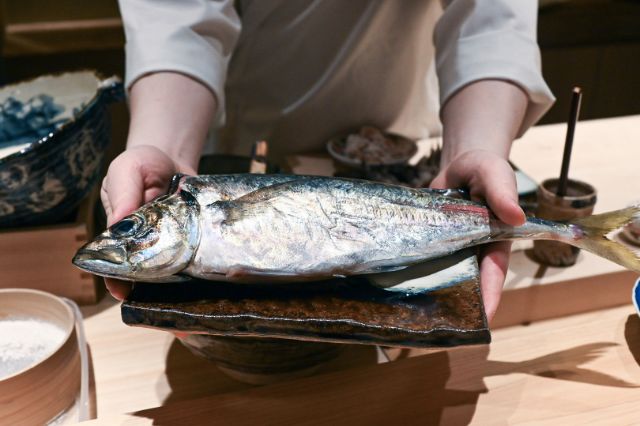
Beberapa koki legendaris Jepang menggunakan pemasok yang sama dengan Chef Murata, dan wajar jika makanan laut di Kitagawa memiliki kualitas yang mengagumkan, mengingat sumbernya berasal dari Sasue Maeda Uoten (toko ikan/penjual ikan) yang legendaris. Para pencinta kuliner rela melakukan perjalanan hanya untuk mencicipi ikan-ikan ini, yang dikenal sebagai salah satu hasil tangkapan terbaik di negara tersebut.
Meskipun hasil tangkapan langka ini beredar di restoran-restoran papan atas Shizuoka, hanya sedikit penikmat kuliner yang tahu di mana menemukannya di Tokyo. Untuk mendapatkan rasa hormat dari merek Maeda, dan dengan demikian rantai pasokannya, dibutuhkan upaya yang besar dan bakat yang luar biasa dari seorang koki. Fakta bahwa Kitagawa sudah menggunakan makanan laut Sasue Maeda Uoten hanya dalam waktu kurang lebih satu tahun sungguh luar biasa.
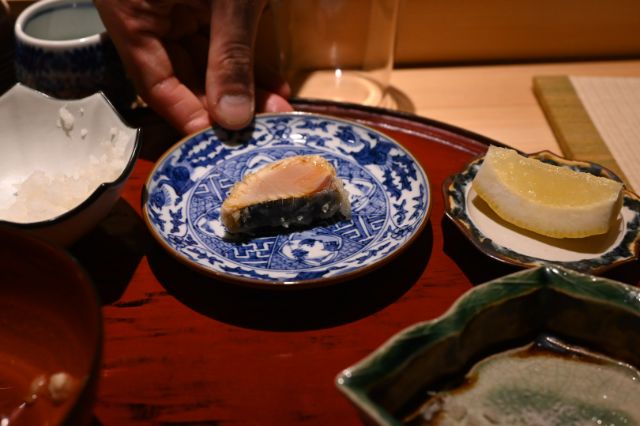
Pada hari kunjungan kami, Chef Murata dengan bangga menjelaskan bahwa karena kondisi air yang sangat baik, semua ikan dalam menu kami telah disiapkan dengan teknik ikejime, yang membangkitkan antusiasme setiap pencinta kuliner di ruangan itu. Dengan setiap hidangan yang kami saksikan dengan saksama, selera makan kami terpuaskan, tetapi antusiasme kami semakin bertambah.
Tentang Hidangan
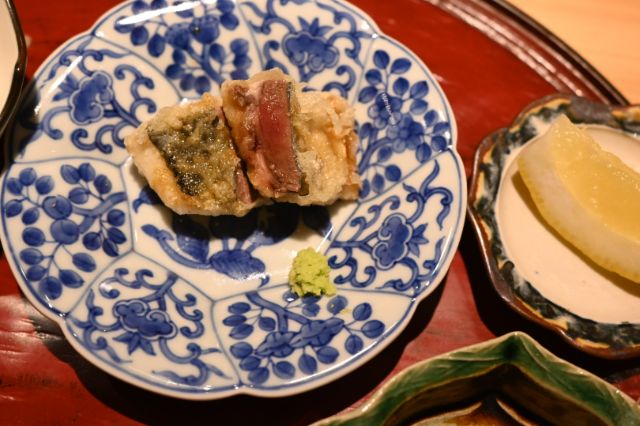
Gema dari para pahlawan sang koki dapat ditemukan dalam suapan seperti aji (ikan kembung) yang dimasak setengah matang. Bagian tengahnya yang berwarna merah rubi bertekstur kenyal seperti tuna tanpa rasa logam di akhir; suapan lezat yang dibungkus adonan renyah. Para pengunjung menyamakan hidangan ini dengan hidangan khas serupa di restoran yang menginspirasi perjalanan Chef Murata, tetapi dalam banyak hal, hidangan di Tempura Kitagawa sangat berbeda.
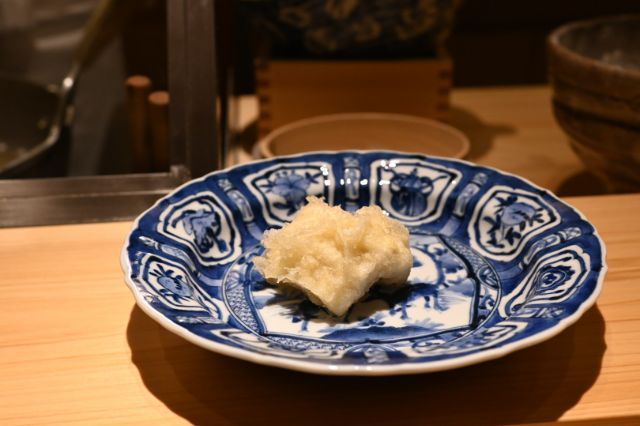
Menu andalan yang unik mencakup tempura pertama dalam hidangan: steak tachiuo yang hampir matang sempurna, yang hanya dapat digambarkan sebagai lumer, mirip dengan keju Basque atau kue lava cokelat yang menggugah selera. Fillet ikan beltfish yang sudah lembut dan sangat cocok untuk tempura semakin disempurnakan oleh gaya pelapisan adonan Chef Murata, yang dengan lembut mengukus daging saat lapisan tempura menjadi renyah. Rahasianya terletak pada cara beliau mengocok meringue ke dalam adonan, memasukkan udara yang melindungi setiap bahan dalam minyak yang mendidih.
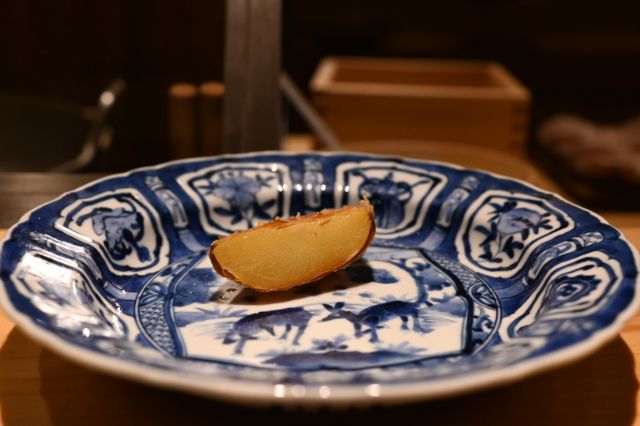
Meskipun restoran ini baru dibuka pada Januari 2025, jelas bahwa Chef Murata dengan giat mengembangkan menunya, terus mengasah keterampilan yang ia kembangkan melalui belajar mandiri dan pengalaman di sebuah restoran tempura berbintang dua MICHELIN di Tokyo. Patut dicatat bahwa koki restoran tersebut dikenal sebagai pelopor di awal kariernya, yang menekankan potensi sayuran.
Mungkin terinspirasi dari masa tinggalnya di sana, ciri khas lainnya termasuk kentang berusia dua tahun dengan warna merah yang khas, yang disebut "Bulan Merah". Spesies kentang ini adalah varietas bertekstur lilin, yang menjadi lunak dan hampir tembus pandang setelah konsentrasi gulanya meningkat dan direndam dalam minyak wijen yang tidak dipanggang.
Tempura Kitagawa
Tutup:Minggu
Harga rata-rata:[Dinner] 25,000 JPY
Akses:4 menit berjalan kaki dari Pintu Keluar Barat Stasiun JR Ebisu
Alamat:B1A, EX Ebisu Minami Bldg., 1-17-15, Ebisu-Minami, Shibuya-ku, Tokyo Peta
Detail Lebih LanjutReservasi
Sentuhan Pribadi
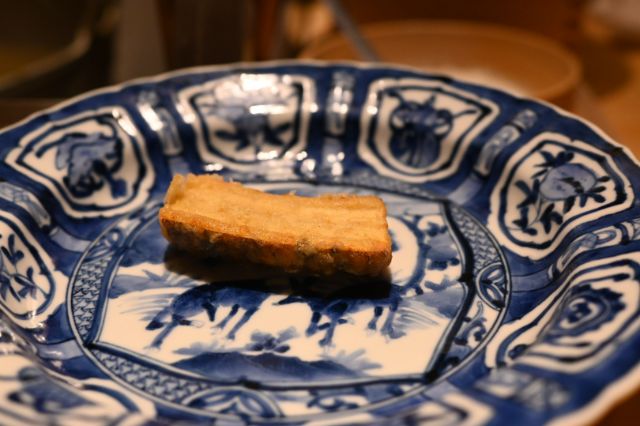
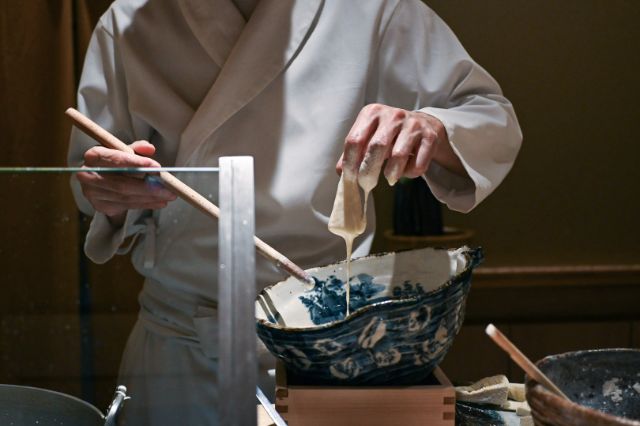
Sepotong akar Oura gobo (burdock) dengan keliling sebesar koin perak berasal dari petani yang sama dan juga mengesankan dengan rasa manis alaminya. Chef Murata terus menunjukkan kecintaannya pada sayuran akar dengan sebatang takenoko (rebung) dari Ikeda, di Suruga-ku, Shizuoka. Ia menjelaskan bahwa tidak seperti varietas yang lebih terkenal dari Kyoto, rebung Suruga lebih lembut di tubuh dan dapat digoreng langsung, tanpa perlu direbus atau dikukus terlebih dahulu. Rasa dan teksturnya juga lebih lembut.
Sayuran
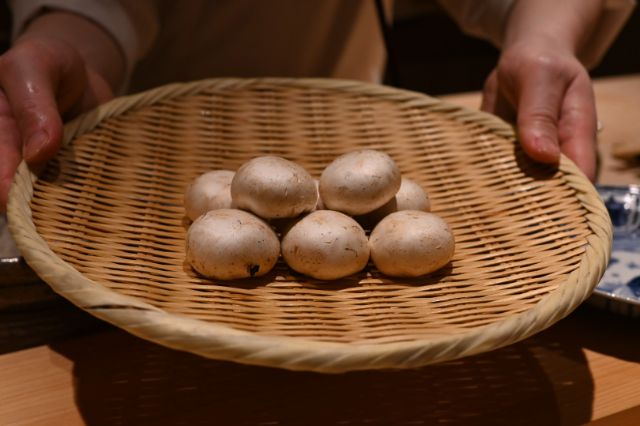
Hidangan sayuran istimewa Lainnya termasuk jamur putih yang lembut dan asparagus dua cara. Pertama, ujung asparagus yang renyah digoreng dan disajikan dengan kesegaran yang terjaga. Kemudian, pangkal batangnya yang tebal, yang menjadi lembut dan hampir berair selama proses penggorengan.
Sepanjang acara, ada momen-momen yang akan menyentuh hati Anda jika Anda cukup hadir untuk menangkapnya. Banyak tempat yang paling banyak diberi sentuhan cinta oleh koki tersebut tersembunyi – sebuah tanda dedikasinya pada keahlian daripada ketenaran.
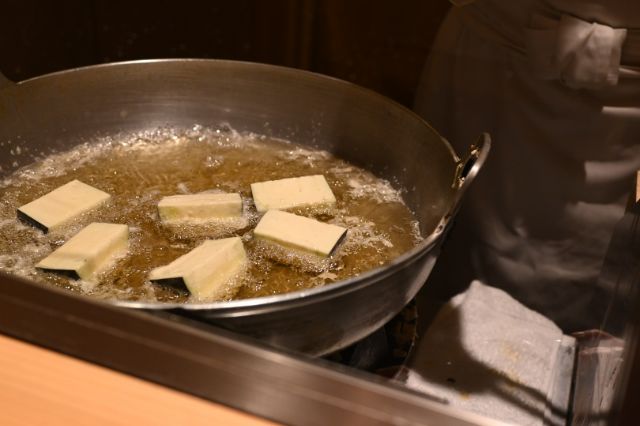
Carilah dedikasi ini pada Akanasu, jenis terong Jepang populer yang terbaik di antaranya hampir meleleh saat dipanaskan, menjadi lembut dan mengembang seperti souffle. Terong milik Chef Murata diolah dengan teknik pemotongan yang sangat teliti sebelum dilapisi adonan. Kami sarankan untuk menggigitnya menjadi dua bagian agar dapat sepenuhnya menghargai perhatian terhadap detail pada satu potong bahan ini, yang biasanya tersembunyi di bawah lapisan tempura keemasan.
Hidangan laut
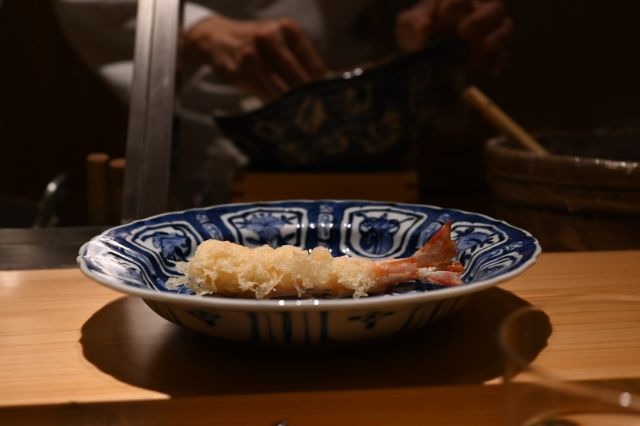
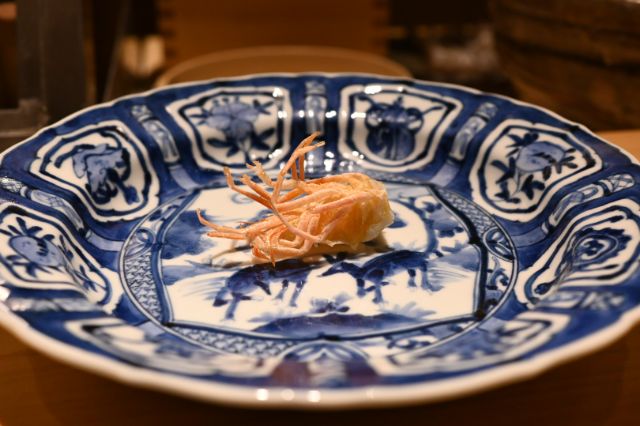
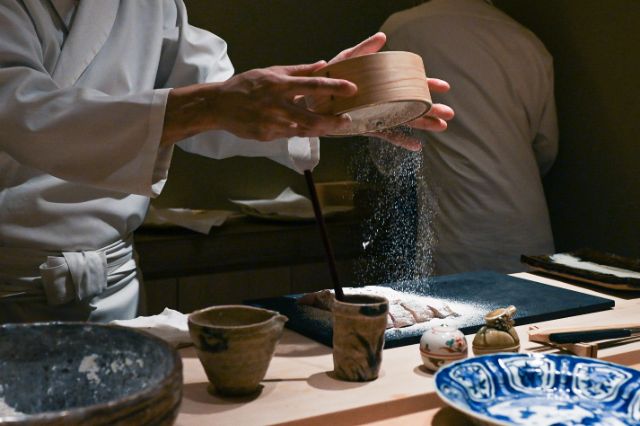
Hidangan lautnya mencakup berbagai macam ikan, baik yang umum maupun yang langka. Amakusa kuruma-ebi, udang besar dari prefektur Kumamoto, dilapisi dengan hakuriki-ko, tepung yang biasanya digunakan dalam kue untuk mencegahnya menjadi terlalu padat, sebelum dicelupkan ke dalam adonan. Melihat koki menatap dengan saksama ke dalam panci emas itu sedikit mirip dengan seorang penyihir yang sangat fokus sedang mengerjakan semacam mantra. Kesan itu tepat, karena tempura buatannya hampir seperti sihir.
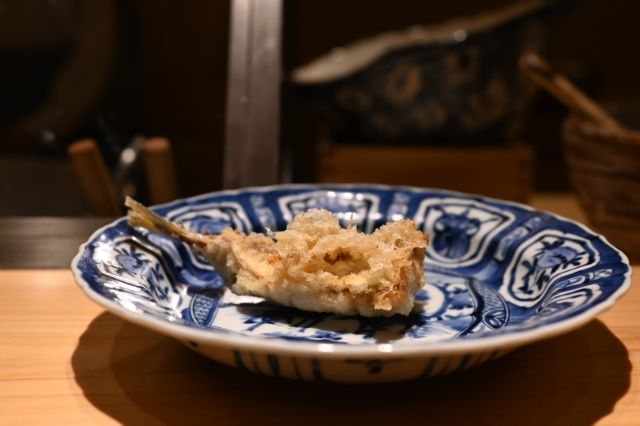
Berbeda dengan aji yang disajikan sebelumnya, koaji, versi yang lebih kecil dari ikan yang sama, disajikan seperti daging sapi muda dibandingkan steak, dengan kontras rasa manis dan lembut yang serupa. Ikan Lainnya termasuk hanadai, ikan kakap merah yang lebih kecil yang dikenal karena rasanya yang lezat, dan kaiwari (spesies ikan kembung lainnya) juga turut disajikan. Seperti halnya sushi, bentuk dan cara penyajian ikan yang berbeda memungkinkan para pengunjung untuk menghargai nuansa rasa masing-masing ikan.
Tempura yang mengingatkan kita pada rumah.
Di tangan Chef Murata, Kitagawa menjadi entitas tersendiri. Bukan sekadar nama iseng untuk menyenangkan pasangannya atau eksperimen pribadi untuk menguji batas kemampuannya. Setelah puluhan tahun mencari tahu, seperti banyak anak muda lainnya, apa yang memang ditakdirkan untuknya dan bagaimana melakukannya dengan baik, sang koki telah mengembangkan cita rasanya sendiri dan mendapatkan dukungan dari penggemar dan pejabat. Dengan terpilih sebagai restoran berbintang MICHELIN pada tahun 2026, staf asisten dwibahasa yang siap membantu para pengunjung dalam bahasa Inggris atau Masakan Tionghoa, dan impiannya sendiri sebagai ujung tombak, Chef Murata telah menciptakan pengalaman bersantap yang layak untuk dikunjungi kembali.
Hidangan ini membuktikan bahwa tak peduli seberapa jauh kita dari rumah, atau seberapa besar usaha yang kita lakukan untuk menempuh jalan kita sendiri, beberapa hal akan selalu tetap bersama kita. Melalui bahan-bahan dari pemasok terpercaya dan hasil dari komitmen pribadi selama bertahun-tahun, tempura di Kitagawa, selama setahun terakhir, telah menjadi pengalaman yang dapat dinikmati oleh setiap pengunjung Tokyo.
Tempura Kitagawa
Tutup:Minggu
Harga rata-rata:[Dinner] 25,000 JPY
Akses:4 menit berjalan kaki dari Pintu Keluar Barat Stasiun JR Ebisu
Alamat:B1A, EX Ebisu Minami Bldg., 1-17-15, Ebisu-Minami, Shibuya-ku, Tokyo Peta
Detail Lebih LanjutReservasi
Q1: How do I make a restaurant reservation through SAVOR JAPAN?
A: Click the "Book Now" button in the article, select your preferred date, time, and menu, then fill out your contact details to complete the booking.
Q2: Are there any booking fees for using SAVOR JAPAN?
A: No, it is completely free. There are no hidden fees for searching or booking restaurants. You only pay for what you eat and drink at the restaurant.
Q3: Will I receive a confirmation? How do I check in?
A: Yes. You will receive a "Reservation Confirmation Email." Upon arrival at the restaurant, simply show this email to the staff to be seated.
Q4: How can I change or cancel my reservation?
A: You can change or cancel your booking via the link provided in your confirmation email. Please check each restaurant's cancellation policy in advance.
Q5: What are the menu highlights and average price range at Tempura Kitagawa?
A: The average price for dinner is around 25,000 JPY. Awarded a MICHELIN selection in the 2026 Tokyo guide, the restaurant offers an exceptional omakase course with over 15 items. It features premium ingredients native to Shizuoka, seafood from the legendary Sasue Maeda Fish Shop, and rare vegetables like the two-year aged "Red Moon" potato. The restaurant is also friendly toward non-drinkers.
Q6: What are the opening hours, location, and how can I make a reservation?
A: The restaurant is open from 5:30 pm to 10:00 pm (closed on Sundays) and operates in two seatings: Part 1 (5:30 pm - 7:30 pm) and Part 2 (8:00 pm - 10:00 pm). It is located a 4-minute walk from the JR Ebisu Station West Exit. Bilingual staff speaking English and Chinese are available. You can easily make a reservation online through SAVOR JAPAN.
Penafian: Semua informasi yang tercantum akurat pada saat pertama kali dipublikasikan.
Terima kasih telah membaca artikel kami.
Tujuan kami adalah membawa perjalanan kuliner Anda ke tingkat berikutnya dengan membantu Anda menemukan restoran terbaik. Dengan SAVOR JAPAN, Anda dapat mencari dan membuat reservasi untuk
Restoran Tempura yang ada di dalam dan sekitar Ebisu yang dapat memenuhi kebutuhan Anda.
Temukan lebih banyak restoran Tempura berdasarkan area
- Daerah Tokyo
- Dekat dari Tokyo
- Daerah Kyoto dan Osaka
- Daerah Hokkaido
- Honshu Utara (Tohoku)
- Honshu Tengah (Chubu)
- Honshu Barat (Chugoku)
- Shikoku
- Kyushu
- Kepulauan Okinawa dan Ryukyu
Temukan lebih banyak restoran untuk menikmati Masakan Jepang berdasarkan area
Kata Kunci
Artikel Terkait
-
![[Ore no Robata Ebisu] Seri "Ore no" yang populer di Jepang meluncurkan konsep gaya Jepang baru untuk pertama kalinya dalam 11 tahun!](https://rimage.savorjapan.com/svj/image/discover_oishii_japan/6614/article_head.jpg?t=1753682528)
[Ore no Robata Ebisu]Seri "Ore no" yang populer di Jepang meluncurkan konsep gaya Jepang baru untuk pertama kalinya dalam 11 tahun!
Begitu pintu dibuka, aroma panggangan langsung memenuhi udara, kesan memanggang ala primitif dengan bahan-bahan segar yang berjajar di depan mata, dan suara mendesis makanan yang sedang dipanggang... Restoran robatayaki arang otentik yang mengkhususkan diri pada hidangan laut premium, "Ore no Robata Ebisu," dibuka di Ebisu pada 29 Mei 2025.
-
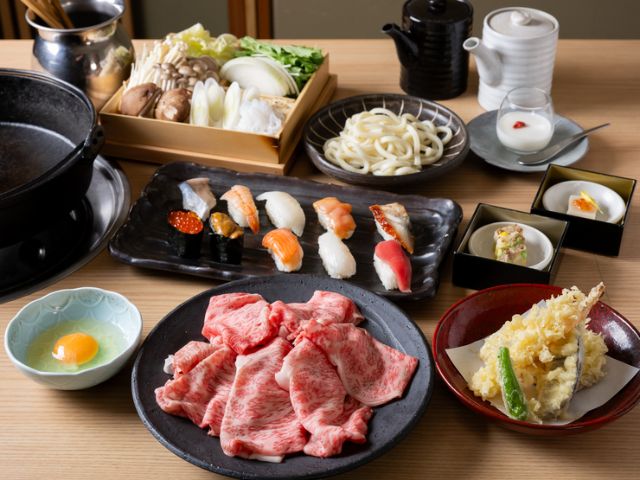
Panduan Prasmanan Tokyo: 12 Restoran All-You-Can-Eat untuk Shabu-Shabu, Yakiniku, Sushi & Lainnya
Jika Anda memprioritaskan kepuasan bersantap di Tokyo, gaya makan sepuasnya juga direkomendasikan. Shabu-shabu, sukiyaki, yakiniku, sushi, dan lain-lain. Mulai dari masakan Jepang hingga hidangan internasional dan prasmanan hotel, restoran-restoran populer telah dipilih dengan cermat untuk memberikan pengalaman bersantap yang menyenangkan. Para tamu dapat menikmati berbagai macam cita rasa.
-
Tokyo Oktober: Bersantap Jepang dengan Art & Vegan Shojin Ryori Omakase di Omotesando
Tokyo October menyajikan washoku klasik, termasuk shojin ryori vegan dan kaiseki di sebuah tempat yang menyerupai kuil yang dirancang oleh seniman Masakan Prancis. Seni dan arsitekturnya berasal dari rumah desain ternama, sementara makanannya diciptakan oleh seorang koki dengan minat dan studi mendalam tentang washoku. Ia telah mengikuti masakan tradisional Jepang hingga ke akarnya selama lebih dari tiga puluh tahun, dengan spesialisasi dalam upacara minum teh dan gastronomi Jepang.
-
Restoran Omakase Tokyo Ini Menerima Permintaan: Shimbashi Ren
Apa yang Anda dapatkan ketika menggabungkan seorang koki Jepang yang berkeliling dunia dengan salah satu kawasan minum-minum terakhir di Tokyo dari era gelembung ekonomi? Sebuah omakase yang tak terlupakan di mana semuanya tidak sepenuhnya diserahkan kepada koki. Dulunya merupakan tempat nongkrong larut malam bagi para pekerja kantoran setempat, Shimbashi Ren bermetamorfosis menjadi tempat di mana pengunjung dari seluruh dunia menikmati menu set yang sekaligus sesuai dengan harapan mereka, dan penuh kejutan.
-
THE SAKAI Tokyo Kyobashi: Pengalaman Sushi Omakase yang Penuh Seni
Rasakan keahlian sushi yang lahir di Frankfurt, Jerman, dan ditata ulang di akarnya. THE SAKAI Tokyo, bagian dari merek pemenang penghargaan MICHELIN milik Chef Hiro Sakai, adalah tambahan terbaru untuk warisan budaya sushi internasionalnya. Kunjungi Kyobashi untuk pengalaman kuliner lengkap yang dibuat dengan menghormati tamu internasional dan keaslian lokal.
![[Shinjuku, Tokyo] Masuki 'Kuroge Wagyu Yakiniku Shiro ka Kuro' dan rasakan semangat keahlian tanpa kompromi.](https://rimage.savorjapan.com/svj/image/discover_oishii_japan/7103/article_head.jpg?t=1778809204)
![[Panduan Wisata Sendai] Atraksi Wisata Wajib Kunjungi, Tempat Belanja, dan Makanan Lokal Wajib Coba](https://rimage.savorjapan.com/svj/image/discover_oishii_japan/7119/article_head.jpg?t=1779414959)
Artikel Baru
-
Makanan dan Sushi Hokkaido Terbaik di Tokyo: Hokkaisushi hingga Robata Sushiyama Shinjuku
-
Kaiseki Mita Basara Bettei : Wagyu Sukiyaki untuk Makan Siang di Roppongi, Tokyo
-
Restoran Unagi Terbaik di Tokyo: Pengalaman Hitsumabushi Premium di Sumiyaki Unafuji Tokyo Opera City
-
DepTH Brianza: Delight adalah Perjalanan ke Italia di Restoran Azabudai Hills ini
-
![[2026] 5 Tempat Terbaik untuk Menikmati Pemandangan Musim Gugur di Tokyo! Rekomendasi Makan Malam Istimewa Setelah Penerangan dan Jalan-jalan](https://rimage.savorjapan.com/svj/image/discover_oishii_japan/7204/article_head_150x105z.jpg?t=1785375302)
[2026] 5 Tempat Terbaik untuk Menikmati Pemandangan Musim Gugur di Tokyo! Rekomendasi Makan Malam Istimewa Setelah Penerangan dan Jalan-jalan
Kategori
Masakan
- Bars (24)
-
Japanese Cuisine (706)
- Kaiseki (50)
- Nabe (22)
- Okonomiyaki (26)
- Shabu Shabu (39)
- Soba (19)
- Sushi (152)
- Tempura (20)
- Teppanyaki (46)
- Shojin Ryori (4)
- Tonkatsu (16)
- Kushiyaki (10)
- Yakitori (46)
- Sukiyaki (38)
- Japanese Cuisine (344)
- Oyster (4)
- Sashimi/ Seafood (34)
- Unagi (eel) (38)
- Motsu Nabe (offal hotpot) (11)
- Mizutaki (chicken hot pot) (4)
- Oden (9)
- Kaisendon (seafood bowl) (12)
- Udon (3)
- Taverns(Izakaya) Cuisine (134)
- Western Cuisine (42)
- Italian/French Cuisine (98)
- Yakiniku/Steak (235)
- Chinese Cuisine (27)
- Ramen (Noodles) Cuisine (25)
- Cafe/Sweets (67)
- Other Asian Cuisine (5)
- Global/International Cuisine (7)
- Alcohol (58)
- Other (11)
Daerah
- Shikoku (10)
- Kyoto and Osaka (356)
-
Tokyo (493)
- Tokyo (309)
- Ginza (51)
- Roppongi (27)
- Shibuya (30)
- Shinjuku (51)
- Asakusa (21)
- Ebisu (14)
- Tsukiji (13)
- Tempat-tempat penting Tokyo (5)
- Ueno (24)
- Akihabara (9)
- Ikebukuro (14)
- Jiyugaoka, Denenchofu, Nakameguro (9)
- Shimokitazawa (4)
- Kichijoji (3)
- Tachikawa (1)
- Omotesando, Harajuku, Aoyama (20)
- Akabane (1)
- Kagurazaka (4)
- Akasaka (9)
- Odaiba (2)
- Tsukishima, Harumi, Toyosu (3)
- Near Tokyo (103)
- Okinawa dan Kepulauan Ryukyu (60)
- Hokkaido (125)
- Honshu Utara (Tohoku) (31)
- Central Honshu (Chubu) (147)
- Honshu Barat (Chugoku) (34)
- Kyushu (95)
Arsip
- August 2026(4)
- July 2026(8)
- June 2026(10)
- May 2026(7)
- April 2026(18)
- March 2026(3)
- February 2026(13)
- January 2026(11)
- December 2025(9)
- November 2025(4)
- October 2025(3)
- September 2025(6)
- August 2025(11)
- July 2025(19)
- June 2025(18)
- May 2025(34)
- April 2025(43)
- March 2025(30)
- February 2025(36)
- January 2025(26)
- December 2024(69)
- November 2024(31)
- October 2024(15)
- September 2024(39)
- August 2024(65)
- July 2024(31)
- June 2024(54)
- May 2024(61)
- April 2024(28)
- March 2024(31)
- February 2024(42)
- January 2024(32)
- December 2023(20)
- November 2023(5)
- October 2023(10)
- September 2023(7)
- August 2023(18)
- July 2023(8)
- June 2023(8)
- May 2023(18)
- April 2023(15)
- March 2023(1)
- January 2023(1)
- April 2022(2)
- March 2022(2)
- February 2022(1)
- January 2022(1)
- July 2021(1)
- March 2021(1)
- February 2021(1)
- December 2020(1)
- October 2020(1)
- September 2020(2)
- August 2020(10)
- July 2020(6)
- June 2020(9)
- May 2020(11)
- April 2020(8)
- March 2020(8)
- February 2020(13)
- January 2020(9)
- December 2019(24)
- November 2019(8)
- August 2019(14)
- July 2019(15)
- June 2019(18)
- May 2019(17)
- April 2019(16)
- March 2019(22)
- February 2019(22)
- January 2019(26)
- December 2018(34)
- November 2018(40)
- October 2018(32)
- September 2018(11)
- August 2018(8)
- July 2018(6)
- June 2018(9)
- May 2018(10)
- April 2018(21)
- March 2018(74)
- February 2018(39)
- January 2018(26)
- December 2017(60)
Kata Kunci
- Omakase
- Dapat diakses
- Terjangkau
- Makan Sepuasnya
- Pemandangan yang menakjubkan
- animasi
- Seni
- Musim gugur
- Penghargaan
- Taman Bir
- Sarapan
- Rekomendasi Koki
- Bunga Sakura
- Masakan Tionghoa
- Dekat Stasiun
- Bumbu pelengkap
- Menangkal
- Kupon
- Kepiting
- Budaya
- Dasai
- Tanggal
- pengiriman
- Awal Musim Panas
- Rekomendasi Editor
- Tersedia dalam Bahasa Inggris
- Peristiwa
- Pameran
- Daun Musim Gugur
- Ramah Keluarga
- Restoran Terkenal
- Tempat Wisata Terkenal
- Makanan Cepat Saji
- festival
- kembang api
- Perkebunan Bunga
- Gratis Wi-Fi
- Masakan Prancis
- Lokasi Bagus
- Memandu
- Ikan Hibachi
- makanan daging dan sayur
- Bagaimana Caranya
- bunga hortensia
- Kebersihan
- Penerangan
- Masakan Italia
- Izakaya
- Jepang
- alkohol jepang
- jingisukan
- Kaiseki
- Kappo
- Kushiage
- Kusikatsu
- Kyoto
- Larut Malam
- Makan siang
- Tata krama
- matsusakagyu
- Michelin
- mizutaki
- Kursus Model
- monjayaki
- motsunabe
- Gunung Fuji
- Menu Multibahasa
- Nabe
- Bandara Narita
- Tahun Baru
- Ninja
- Mi
- Oden
- Okonomiyaki
- omotenashi
- Pemandian air panas
- Osaka
- Osaka Stasiun
- Situs Fotogenik
- pizza
- hubungan masyarakat
- Kamar Pribadi
- Ramen
- peringkat
- Resep
- Masakan Daerah
- Resor
- Hidangan Mangkuk Nasi (Donburi)
- tempat-tempat suci
- Demi
- Sakura
- Sashimi
- bulu babi
- Daerah Setouchi
- Shabu-Shabu
- tamasya
- Hidangan Khas
- Soba
- Pengunjung Solo Dipersilakan
- Makanan Pedas
- Musim semi
- Steak
- Musim panas
- Bunga matahari
- Sushi
- bawa pulang
- Teppanyaki
- Tempat Duduk Teras
- Tokyo
- Pengalaman Tokyo
- Tokyo Skytree
- Menara Tokyo
- daging panggang
- UNESCO
- Makanan sehat
- Vegetarian
- Daging wagyu
- Apa Saja Rekomendasi Situs Kuliner Populer?
- Wiski
- Bar Wine
- Musim dingin
- Bunga wisteria
- Bengkel
- Situs Warisan Dunia
- Penulis Dunia
- Yakiniku
- Yoshoku
- Yuba
- Bahasa Zen
Temukan Restoran Berdasarkan Area
-

Daerah Tokyo
Kota terbesar di Jepang, Tokyo, merupakan pusat budaya kuliner di Jepang. Banyak sekali restoran Tokyo yang menyajikan berbagai jenis makanan yang dapat dibayangkan dan pasar ikan Toyosu menyediakan berbagai restoran dengan ikan-ikan terbaik di negara ini.
-

Dekat dari Tokyo
Daerah pesisir, pegunungan, dan lembah di sekitar Tokyo dipenuhi dengan tujuan wisata, seperti sumber air panas dan lereng ski, tempat banyak makanan unik yang hanya tersedia secara lokal.
-

Daerah Kyoto dan Osaka
Kota Kyoto dan Osaka, beserta daerah di sekitarnya, telah memengaruhi budaya kuliner Jepang sejak abad ke-7. Wilayah ini terkenal dengan hiburannya, daging sapi Kobe, dan beragam hidangan tradisional.
-

Daerah Hokkaido
Pulau Hokkaido merupakan rumah bagi berbagai macam hasil bumi dengan kualitas terbaik, seperti beras, daging, sayur, ikan, dan buah. Hidangan populer dari Hokkaido meliputi robatayaki (makanan yang dipanggang perlahan di tusuk sate) dan ramen miso Sapporo.
-

Honshu Utara (Tohoku)
Ujung utara pulau utama Jepang, Honshu, terkenal dengan buah dan sayur musimannya, panen ikan terbaik di negara ini (terutama tuna dari Ohma), dan daging sapi lezat dari Yonezawa, Sendai, dan Yamagata.
-

Honshu Tengah (Chubu)
Chubu terletak di tengah pulau utama Jepang, Honshu, dan budaya kulinernya mencerminkan posisinya di antara belahan barat dan timur Jepang. Daging sapi Hida yang lezat, Gunung Fuji yang terkenal di dunia, dan banyak pabrik sake yang diakui ada di Chubu.
-

Honshu Barat (Chugoku)
Chugoku, di barat daya pulau utama Jepang, kaya akan hasil bumi yang beragam. Banyak produknya dipuji sebagai yang terbaik di Jepang, termasuk kepiting Matsuba dari Tottori dan tiram dari Hiroshima. Pir dan muscatnya juga bermutu tinggi.
-

Shikoku
Iklim Shikoku yang sedang sangat cocok untuk menanam buah jeruk seperti sudachi. Shikoku juga terkenal dengan mi udon Sanuki, hasil panen udang windu yang melimpah dari Prefektur Ehime, dan torafugu (ikan bulat macan) terbaik di negara ini.
-

Kyushu
Budaya Masakan Barat pertama kali diperkenalkan ke Jepang melalui Kyushu, pulau terbesar ketiga di Jepang, di mana pengaruh masakan Portugis dan masakan Barat lainnya memengaruhi terciptanya tradisi kuliner yang penuh warna.
-

Kepulauan Okinawa dan Ryukyu
Okinawa, prefektur paling selatan Jepang, adalah gudang harta karun hidangan dan minuman khas yang telah populer di seluruh Jepang, termasuk soba Okinawa, topping sushi yang unik, dan minuman keras sulingan Awamori.