Toko Khusus Unagi Tersembunyi Tokyo Kinshicho: Rumah Unagi Shinoya
Update-Date: Apr 21, 2026
Penulis:

Miss Sake Taiwan 2020 dan seorang Sommelier Sake Internasional bersertifikat.
Dia memberikan tips perjalanan dari orang dalam tentang Jepang, membantu pengunjung untuk melihat lebih dari sekadar permukaan dan merasakan negara itu secara lebih otentik.
Ini adalah prolog dari "Unagi House Shinoya".
Rumah Unagi Shinoya
Hari Libur Reguler:Senin
Harga Rata-rata:[Dinner] 3,000 JPY / [Lunch] 1,200 JPY
Akses:Dari Pintu Keluar 4 Stasiun Kinshicho, berjalanlah ke utara dan belok kiri di lampu lalu lintas keempat. Restoran ini terletak di sudut kiri persimpangan kedua.
Alamat:3-19-3, Taihei, Sumida-ku, Tokyo
Detail Lebih LanjutReservasi
Bab 1: Ilmu tentang Belut dan Ritual Suplementasi Fisik Musiman
1. Kesalahpahaman tentang Asal Usul Belut (Unagi) dan Belut Conger (Anago)
Ini adalah waktu untuk sains:
・Belut (Unagi): Ini adalah belut air tawar, sangat kaya lemak, dengan rasa yang kuat, dan merupakan bahan utama dalam "nasi unagi". Biasanya, harganya tiga kali lebih tinggi daripada anago.
・Anago (Anago) ・Anago (Anago): Ini adalah belut air asin, dengan tekstur ringan dan lembut, biasanya ditemukan dalam sushi atau tempura.
Yang disajikan oleh restoran ini adalah cita rasa belut yang manis dan kaya yang dapat membuat seseorang merasa "seketika segar kembali."
2. Tentang kisah belut di empat musim dan "Doyo no Ushi no Hi"
Karena karakter "Ushi" (丑) memiliki bunyi awal yang sama dengan "Unagi" (鰻魚), kampanye pemasaran yang sukses ini berkembang menjadi tradisi yang telah berlangsung selama ratusan tahun di Jepang.
Namun, para penikmat sejati (seperti koki Shioya) tahu bahwa meskipun musim panas adalah waktu yang tepat, kelezatan belut tersedia sepanjang tahun. Kesegaran musim semi, energi musim panas, keseimbangan musim gugur, dan puncak cita rasa musim dingin, ketika belut paling berlemak dan meleleh seperti krim.
3. Belut: "Gudang Vitamin Alami" yang Tersembunyi di Balik Kelezatannya
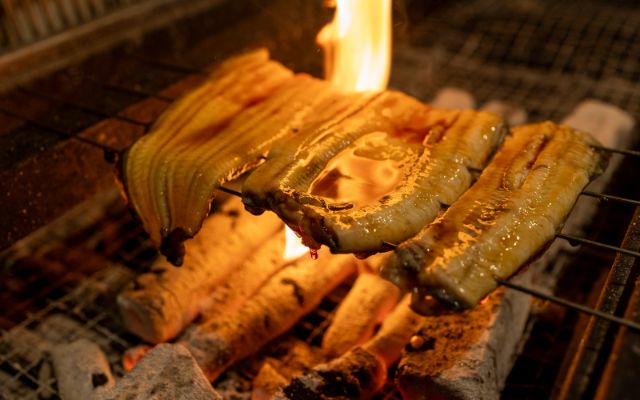
A. Kandungan vitamin A yang luar biasa (pelindung mata dan kulit)
・Selama perjalanan panjang sambil melihat navigasi dan berjemur, vitamin A membantu menjaga kesehatan selaput lendir, melindungi penglihatan, dan memperbaiki kulit yang rusak. Mengonsumsi satu ekor belut hampir dapat memenuhi kebutuhan vitamin A harian untuk orang dewasa.
B. Vitamin B kelompok (mesin yang menghilangkan kelelahan)
• Dasar ilmiah: Vitamin B1 adalah kunci untuk mengubah karbohidrat menjadi energi. Inilah sebabnya belut dimakan pada "Doyo no Ushi no Hi"—di musim panas Jepang yang terik, orang mudah merasa lelah (natsubate), dan B1 dapat membantu memulihkan energi, menjadikannya minuman penambah energi alami.
C. Asam lemak Omega-3 berkualitas tinggi (DHA & EPA)
Keunggulan kesehatan: Kaya akan DHA yang bermanfaat bagi otak dan EPA yang baik untuk kesehatan jantung. Bagi masyarakat modern yang peduli kesehatan, ini adalah "suplemen nutrisi otak" yang sangat menarik.
Restoran "Shinoya" berkomitmen pada asal bahan-bahan yang digunakan. Mereka hanya memilih belut berkualitas tinggi dari Prefektur Aichi atau Prefektur Tochigi. Alasan pemilihan asal daerah ini didasarkan pada suhu air dan iklim musiman saat ini, serta pemilihan kualitas daging yang sempurna antara kedua tempat tersebut. Yang kami cicipi kali ini adalah pilihan dari Prefektur Tochigi, dan tekstur serta rasio lemaknya yang lembut membuat kami menikmatinya bersama.
Bab 2: Uji Temporal — Rasio Emas Pengukusan dan Pemanggangan
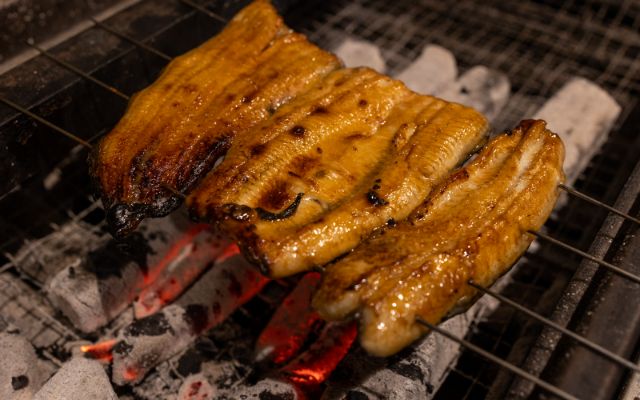
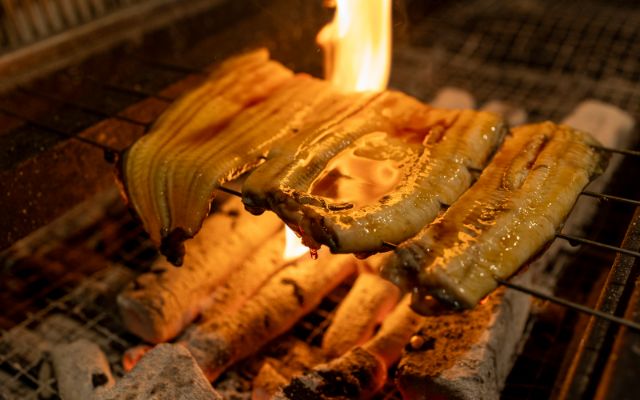
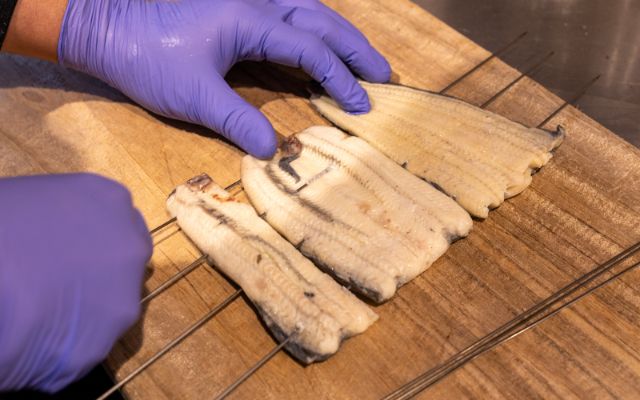
Di wilayah Kanto, Jepang, metode pengolahan belut menekankan "dikukus terlebih dahulu, kemudian dipanggang." Proses ini tampak sederhana, tetapi kenyataannya penuh dengan tantangan. Dibutuhkan keahlian dan pengalaman untuk menentukan waktu yang paling tepat.
"Lamanya waktu pengukusan menentukan tingkat kelezatannya."
・Jika dikukus terlalu lama: Rasa umami pada belut akan hilang bersama uap, dan teksturnya akan menjadi terlalu lunak, bahkan hancur saat dibalik.
Setelah dipanggang dengan api besar, kulit belut tampak renyah, sedangkan bagian dalamnya lembut dan halus seperti tahu. Pengalaman "penyesuaian waktu" inilah yang membuat wisatawan merasa belut tersebut "meleleh di mulut" saat dicicipi.
Bab 3: Detail Terpenting - Penyajian Paket yang Sempurna
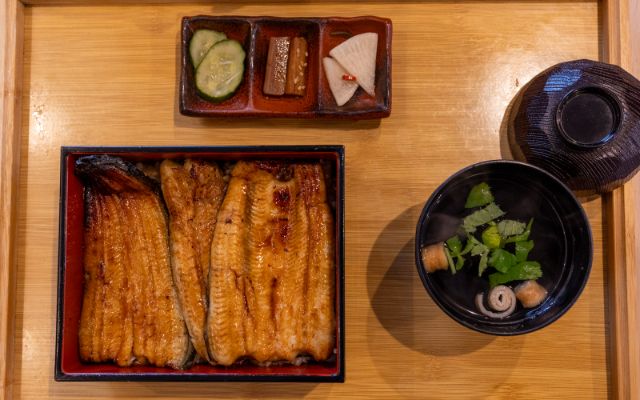
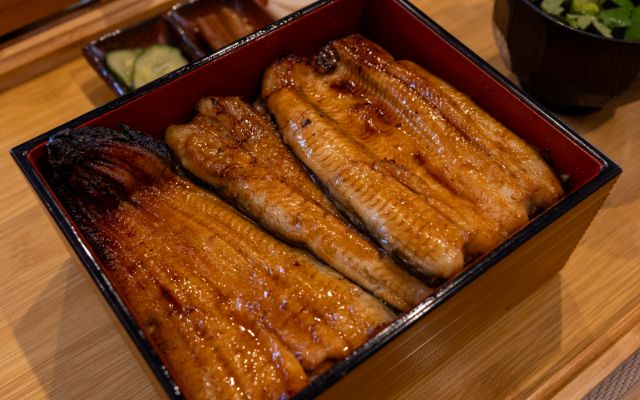
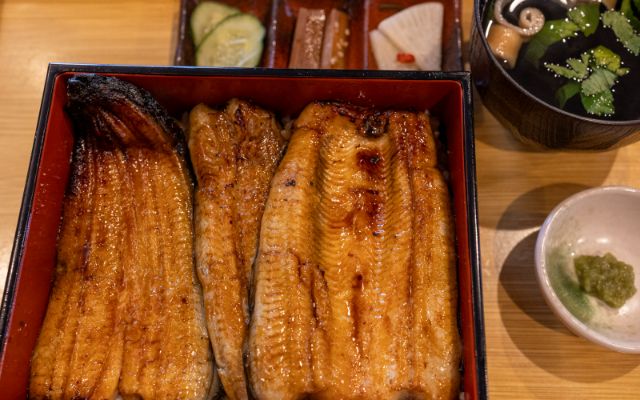
Kotak belut dari rumah Shino memiliki warna cokelat karamel yang pekat, hasil dari proses pengolesan berulang saus khusus (Tare) oleh para pengrajin. Saus yang "pas" ini tidak terlalu asin, tetapi memiliki rasa manis yang elegan, bertujuan untuk menonjolkan rasa manis alami ikan daripada menutupinya.
Rumah Unagi Shinoya
Hari Libur Reguler:Senin
Harga Rata-rata:[Dinner] 3,000 JPY / [Lunch] 1,200 JPY
Akses:Dari Pintu Keluar 4 Stasiun Kinshicho, berjalanlah ke utara dan belok kiri di lampu lalu lintas keempat. Restoran ini terletak di sudut kiri persimpangan kedua.
Alamat:3-19-3, Taihei, Sumida-ku, Tokyo
Detail Lebih LanjutReservasi
Bab 4: Menggugat Intuisi Ilmu Beras "Viskositas Rendah"
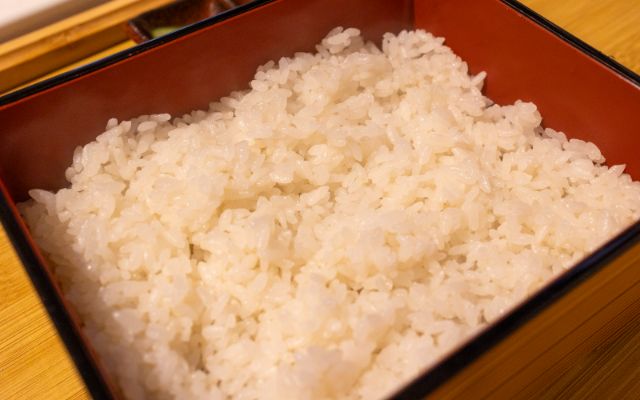
Sebagian besar turis asing yang datang ke Jepang mencari nasi Jepang yang "lengket dan kenyal", tetapi dalam dunia unadon (nasi belut bakar), ini sebenarnya adalah sebuah kesalahpahaman. Selain itu, gaya Edomae dilumuri dengan beberapa lapisan saus yang kaya rasa.
Kontras warna nasi memudahkan semua orang untuk memahaminya:
V.S
・Nasi ketan rendah (Sasanishiki): Jenis nasi ini dikenal sebagai "raja nasi sushi." Ciri khasnya adalah butirannya terpisah, dan ketika saus belut yang kaya dituangkan di atasnya, saus meresap merata ke bawah melalui celah di antara butiran nasi. Setiap butir nasi terbungkus saus tetapi tetap mempertahankan strukturnya.
Belut itu sendiri memiliki kandungan lemak yang sangat tinggi, dan jika dipadukan dengan nasi yang terlalu lengket, teksturnya akan menjadi berat dan berminyak. Oleh karena itu, restoran tersebut membuat pilihan nasi yang sangat profesional:
・Menggunakan beras yang dikenal sebagai "beras hantu" "Sasanishiki" dari Prefektur Yamagata: Inilah jenis beras yang kami cicipi kali ini. Karakteristiknya adalah butirannya yang berbeda, tingkat kelengketannya yang rendah, dan teksturnya yang menyegarkan. Teksturnya yang menyegarkan dan rapi mengingatkan kita pada masa lalu. Ketika tekstur ini dipadukan dengan belut Tochigi yang kaya rasa, tercipta efek "pemotong lemak" yang luar biasa! Butiran beras tidak menggumpal bersama lemak, tetapi menyebar di mulut seperti mutiara, merata menutupi setiap tetes saus belut. Sangat cocok untuk wanita, anak-anak, dan lansia? Kelengketan Sasanishiki sedang, sehingga lebih mudah dikunyah dan tidak terlalu memberatkan bagi wanita, anak-anak, atau lansia dengan kekuatan gigitan yang lemah. Tidak menimbulkan rasa lengket yang berlebihan di mulut, membuat pengalaman bersantap menjadi ringan dan elegan.
・ "Hitomebore" Prefektur Iwate: Ini adalah pilihan lain dari restoran ini. Nama nasi ini sendiri merupakan pernyataan romantis: "Saya berharap para pengunjung akan jatuh cinta pada pandangan pertama ketika mereka melihat kilau jernihnya dan merasakan teksturnya yang hangat." Tidak seperti Sasanishiki yang sangat menyegarkan, Hitomebore memiliki daya tarik unik berikut: butirannya besar dan berisi, rasa manis yang tahan lama, dan kelembutan yang unik.
Saat Anda mengambil suapan nasi dan belut, jenis nasi ini memungkinkan lemak belut membungkus setiap butir nasi secara merata tanpa saling menempel. Desain "pemotong lemak" ini sangat penting, memungkinkan para penikmatnya merasa nyaman dan ringan di perut mereka bahkan setelah menghabiskan sekotak penuh unadon. Perhatian terhadap "ilmu nasi" ini juga merupakan perhatian dari Yoshino-ya!
Bab 5: Kode "Umami" dalam Diagram Penampang
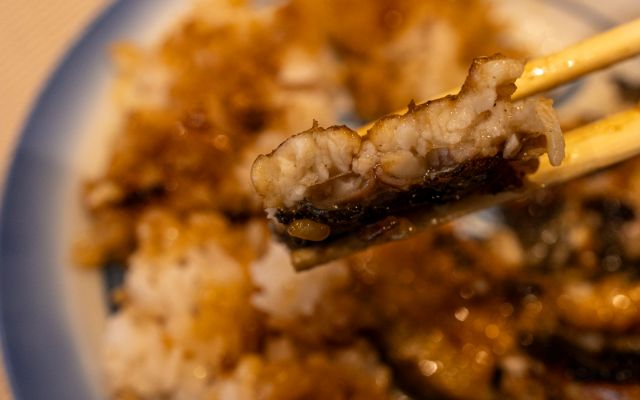
Anda dapat dengan jelas melihat lapisan lemak keemasan yang keluar karena api arang, dengan saus yang meresap ke dalam belut putih bersih. Penampang belut menunjukkan tekstur daging yang kenyal dan elastis, yang merupakan bukti kualitas belut yang dihasilkan di Tochigi. Saat Anda menggigitnya, Anda akan merasakan lapisan kulit yang elastis dan aromatik terlebih dahulu, diikuti oleh daging yang kaya di dalamnya yang meleleh seperti krim. Trio "renyah di luar, lembut di dalam, dan nasi yang pulen" ini adalah kreasi membanggakan dari koki di rumah Shino, yang menunjukkan keunggulan belut.
Bab Enam: Pembaptisan Acar Buatan Sendiri — Kelahiran Karakter Pendukung
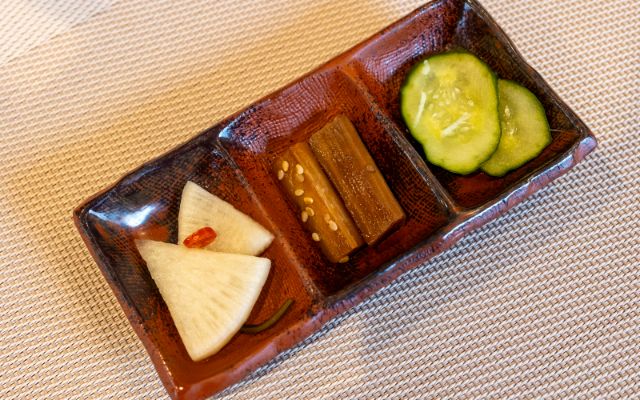
・Dashi: Memberikan rasa manis yang mendalam pada lobak, menjadikannya bukan hanya hidangan acar, tetapi hidangan kecil yang halus dan mendalam.
Bab 7: Metode Pemesanan Paling Praktis dan Ramah Pengguna untuk Turis
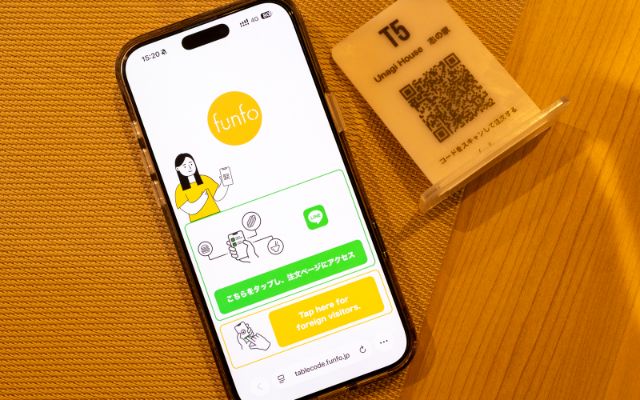
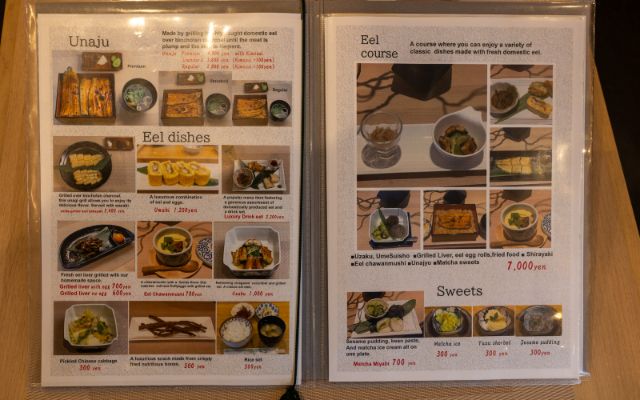
Bab Terakhir: Pertemuan yang Dijanjikan di Kinshicho yang Layak Dikunjungi
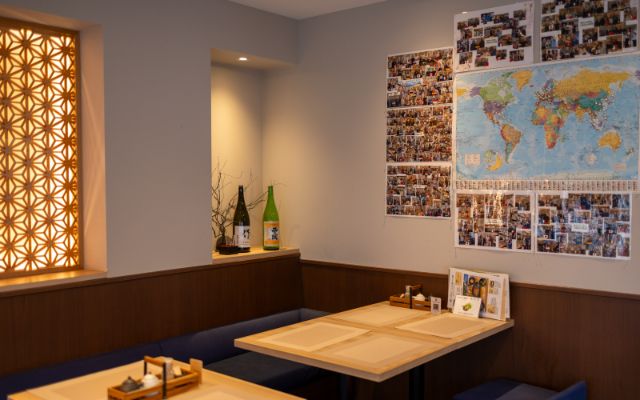
"Unagi House Shinoya" bukan sekadar restoran; tempat ini lebih terasa seperti laboratorium yang didedikasikan untuk belut. Pemilihan bahan-bahan yang cermat oleh pemiliknya, pengaturan waktu yang tepat untuk memanggang dengan arang, perhatian pada kekenyalan nasi, dan penyempurnaan acar semuanya berkontribusi pada peringkat 4,5 bintang di Google ini.
Bagi wisatawan dari jauh, yang ditawarkan di sini bukan hanya makanan untuk mengisi perut, tetapi juga kenangan budaya yang dapat dibawa pulang. Lain kali Anda datang ke Tokyo, pastikan untuk menyisihkan waktu makan untuk mengunjungi Kinshicho. Di tengah aroma arang binchotan, Anda mungkin menemukan bahwa semangkuk nasi belut benar-benar dapat mewujudkan definisi "kelezatan" yang tulus.
Rumah Unagi Shinoya
Hari Libur Reguler:Senin
Harga Rata-rata:[Dinner] 3,000 JPY / [Lunch] 1,200 JPY
Akses:Dari Pintu Keluar 4 Stasiun Kinshicho, berjalanlah ke utara dan belok kiri di lampu lalu lintas keempat. Restoran ini terletak di sudut kiri persimpangan kedua.
Alamat:3-19-3, Taihei, Sumida-ku, Tokyo
Detail Lebih LanjutReservasi
Penafian: Semua informasi yang tercantum akurat pada saat pertama kali dipublikasikan.
Terima kasih telah membaca artikel kami.
Tujuan kami adalah membawa perjalanan kuliner Anda ke tingkat berikutnya dengan membantu Anda menemukan restoran terbaik. Dengan SAVOR JAPAN, Anda dapat mencari dan membuat reservasi untuk
Restoran-restoran yang ada di dalam dan sekitar Tokyo yang dapat memenuhi kebutuhan Anda.
Temukan lebih banyak restoran berdasarkan area
Kata Kunci
Update-Date: Apr 21, 2026
Penulis:
Artikel Terkait
-
![Atraksi Wisata Wajib Dikunjungi di Yanaka Ginza dan Kuliner di Sekitarnya: Patung Kucing Lucu dan Makanan Populer [Tur Setengah Hari di Pusat Kota Tokyo]](https://rimage.savorjapan.com/svj/image/discover_oishii_japan/6729/article_head.jpg?t=1757063774)
Atraksi Wisata Wajib Dikunjungi di Yanaka Ginza dan Kuliner di Sekitarnya: Patung Kucing Lucu dan Makanan Populer [Tur Setengah Hari di Pusat Kota Tokyo]
Jika Anda ingin merasakan suasana nostalgia sambil berjalan-jalan di Tokyo, Anda harus mengunjungi "Yanaka Ginza." Tempat ini mempertahankan pesona pusat kota yang kuat, memungkinkan Anda merasakan daya tarik lanskap jalanan era Showa, dan menyimpan banyak hal menarik yang mengejutkan. Saat Anda berjalan di sepanjang jalan perbelanjaan, Anda akan menemukan "7 kucing ukiran kayu" yang diam-diam menunggu pengunjung di lorong-lorong, menjadi tempat foto lucu yang wajib dikunjungi bagi pecinta kucing. Selain elemen kucing, Yanaka Ginza juga merupakan harta karun makanan lezat, mulai dari senbei Yanaka yang renyah dan harum hingga antrean panjang di es serut "Himitsudo" di musim panas, serta izakaya unik, restoran yakitori, dan barbekyu wagyu kelas atas di sekitar stasiun terdekat. Berbagai toko yang lezat dan menyenangkan tersembunyi di sekitar Yanaka Ginza. Baik Anda ingin ngemil sambil berjalan atau mencari restoran yang enak, Anda dapat menemukan kesenangan Anda sendiri di sini. Ikuti artikel ini dan mulailah perjalanan setengah hari ke Yanaka Ginza!
-
![[Teh Sore Odaiba] YORMICHI Odaiba | Saran Makanan Penutup Pemandangan Laut dan Jalan-jalan di Tepi Laut AQUA CITY](https://rimage.savorjapan.com/svj/image/discover_oishii_japan/6824/article_head.jpg?t=1767771968)
[Teh Sore Odaiba] YORMICHI Odaiba | Saran Makanan Penutup Pemandangan Laut dan Jalan-jalan di Tepi Laut AQUA CITY
Apakah Anda mencari kafe di Odaiba tempat Anda dapat menikmati teh sore sambil memandang laut? Maka Anda harus mengunjungi “YORIMICHI Odaiba” di lantai enam AQUA CITY ODAIBA. Kafe ini menawarkan pemandangan Teluk Tokyo dan menyajikan teh sore dengan hidangan penutup ala Jepang. Baru-baru ini, kafe ini semakin banyak direkomendasikan dalam pencarian untuk “teh sore Odaiba,” “hidangan penutup Odaiba,” dan “kafe tepi laut Odaiba,” menjadikannya tempat yang sangat populer dan patut ditambahkan ke rencana perjalanan Anda. Kebanyakan orang mengaitkan Odaiba dengan berfoto dengan Patung Liberty, berjalan-jalan di tepi laut, berbelanja, atau menikmati pemandangan malam, tetapi jika Anda juga ingin meluangkan waktu selama perjalanan Anda untuk “benar-benar duduk dan bersantai perlahan,” YORIMICHI akan menjadi daya tarik kecil yang luar biasa. Setelah berkunjung, saya menemukan suasana di kafe hangat dan santai, dan pemandangan laut di luar, dikombinasikan dengan kelezatan hidangan penutupnya, membuat saya lupa waktu. Tempat ini merupakan lokasi istirahat yang sempurna saat berjalan-jalan sore di Odaiba dan salah satu kafe teh sore tepi pantai yang paling layak dikunjungi di Odaiba.
-
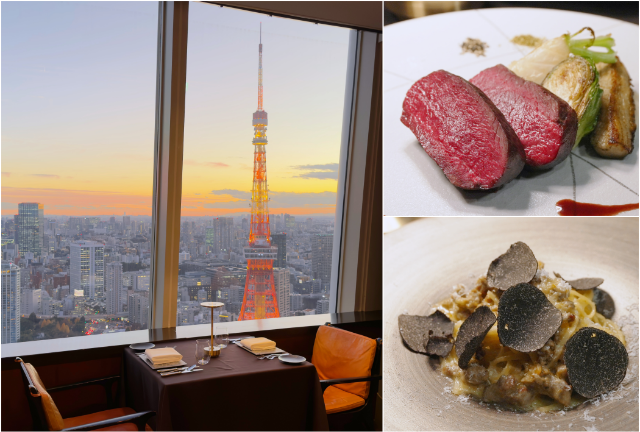
【Restoran Wajib Kunjungi untuk Kencan dengan Pemandangan Malam Tokyo】XEX ATAGO GREEN HILLS|Restoran di gedung pencakar langit untuk makan malam romantis dengan pemandangan Menara Tokyo, pilihan terbaik untuk perayaan hari jadi.
Apakah Anda ingin mengatur makan malam romantis di Tokyo di mana Anda dapat melihat Menara Tokyo? Terletak di lantai 42 Atago Green Hills, dekat Stasiun Kamiyacho, XEX ATAGO GREEN HILLS adalah pilihan utama bagi banyak pasangan, suami istri, dan perayaan ulang tahun. Restoran ini dikenal sebagai salah satu restoran dengan pemandangan malam paling klasik di Tokyo, dengan Menara Tokyo bersinar tepat di depan Anda dari titik pandang yang tinggi. Baik Anda ingin merayakan ulang tahun, melamar, atau melakukan perjalanan seremonial ke Tokyo, restoran ini jelas merupakan pilihan yang tepat! Restoran ini menawarkan berbagai pilihan termasuk masakan Masakan Italia, sushi, dan tempura, dengan suasana elegan dan pemandangan yang menakjubkan. Ini adalah salah satu dari sedikit restoran di Jepang yang ingin saya kunjungi beberapa kali.
-
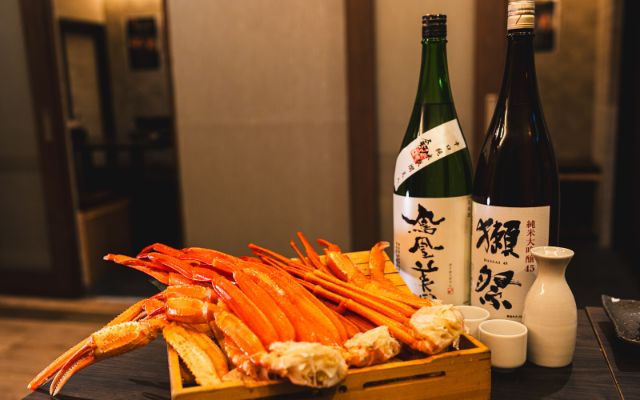
Tokyo Shinagawa | Kani Isshin: Raih "Kebebasan Kepiting" Tanpa Khawatir Soal Musim
Saat Anda datang ke Tokyo dan ingin makan kepiting, dua kekhawatiran terbesar adalah: pertama, transportasinya terlalu jauh, dan kedua, Anda mungkin melewatkan musimnya. Di kawasan elit bisnis Shinagawa, terdapat pilihan yang sangat ramah wisatawan—"Crab, Seafood, and Fine Sake - Kani Isshin." Lokasinya hanya dua menit berjalan kaki dari Pintu Keluar Konan Stasiun JR Shinagawa, dengan lokasi yang sangat strategis. Terdapat banyak hotel di dekatnya, sehingga sangat cocok untuk wisatawan. Di sini tidak ada yang namanya "pembatasan musiman".
-
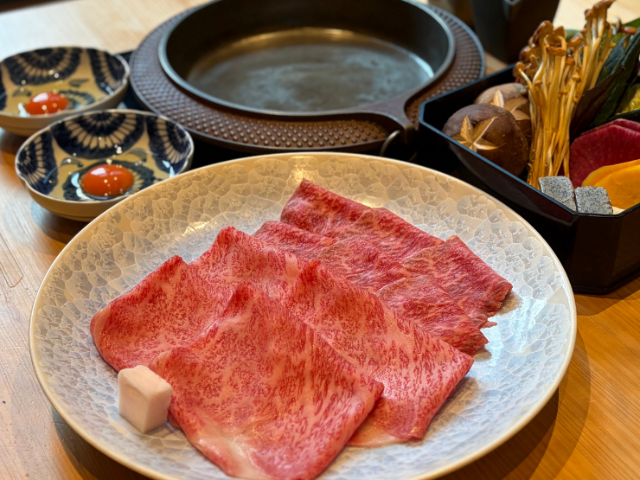
Tokyo Station Gourmet Guide|A5 Wagyu Sukiyaki at Sukiyaki Jyuniten in Marunouchi
Looking for a refined wagyu dining experience near Tokyo Station? Located in Marunouchi, Sukiyaki Jyuniten specializes in A5 Japanese Black Wagyu and offers an elegant dining experience in private rooms. The restaurant serves Kansai-style sukiyaki with attentive table-side service, making it a distinctive choice for enjoying high-quality wagyu in Marunouchi. For a special occasion, the set menu featured in this article is a great way to experience the carefully arranged meal and enjoy a memorable dining experience during your trip to Japan.
![[2026] Hari Hujan Itu Indah. Tempat Hydrangea Kyoto dan Panduan Kuliner di Sekitarnya](https://rimage.savorjapan.com/svj/image/discover_oishii_japan/7029/article_head.jpg?t=1775636401)
Artikel Baru
-
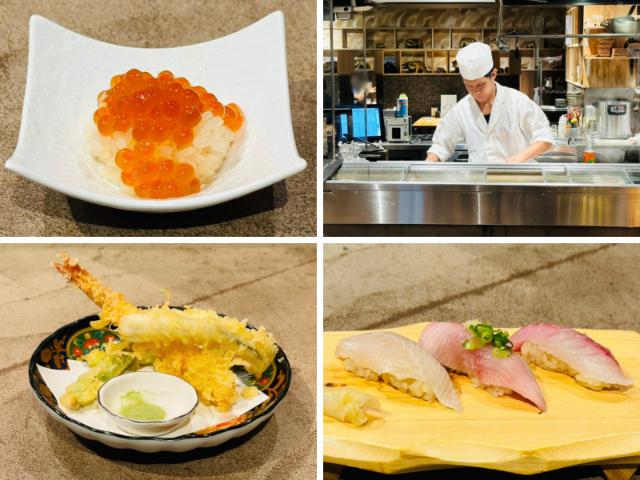
Makanan dan Sushi Hokkaido Terbaik di Tokyo: Hokkaisushi hingga Robata Sushiyama Shinjuku
-
Kawagoe One-Day Tour Attractions Guide | Walking Route in Little Edo Near Tokyo, Visit Hikawa Shrine, Toki no Kane, and Kashi-ya Yokocho All in One Go
-
Kaiseki Mita Basara Bettei : Wagyu Sukiyaki untuk Makan Siang di Roppongi, Tokyo
-
Restoran Unagi Terbaik di Tokyo: Pengalaman Hitsumabushi Premium di Sumiyaki Unafuji Tokyo Opera City
-
DepTH Brianza: Delight adalah Perjalanan ke Italia di Restoran Azabudai Hills ini
Kategori
Masakan
- Bars (24)
-
Japanese Cuisine (704)
- Kaiseki (50)
- Nabe (22)
- Okonomiyaki (25)
- Shabu Shabu (39)
- Soba (19)
- Sushi (151)
- Tempura (20)
- Teppanyaki (45)
- Shojin Ryori (4)
- Tonkatsu (16)
- Kushiyaki (10)
- Yakitori (46)
- Sukiyaki (37)
- Japanese Cuisine (343)
- Oyster (3)
- Sashimi/ Seafood (33)
- Unagi (eel) (37)
- Motsu Nabe (offal hotpot) (11)
- Mizutaki (chicken hot pot) (4)
- Oden (9)
- Kaisendon (seafood bowl) (12)
- Udon (3)
- Taverns(Izakaya) Cuisine (136)
- Western Cuisine (42)
- Italian/French Cuisine (98)
- Yakiniku/Steak (234)
- Chinese Cuisine (27)
- Ramen (Noodles) Cuisine (25)
- Cafe/Sweets (70)
- Other Asian Cuisine (5)
- Global/International Cuisine (7)
- Alcohol (58)
- Other (11)
Daerah
- Shikoku (10)
- Kyoto and Osaka (355)
-
Tokyo (493)
- Tokyo (309)
- Ginza (52)
- Roppongi (27)
- Shibuya (30)
- Shinjuku (52)
- Asakusa (21)
- Ebisu (15)
- Tsukiji (13)
- Tempat-tempat penting Tokyo (5)
- Ueno (24)
- Akihabara (9)
- Ikebukuro (14)
- Jiyugaoka, Denenchofu, Nakameguro (9)
- Shimokitazawa (4)
- Kichijoji (3)
- Tachikawa (1)
- Omotesando, Harajuku, Aoyama (20)
- Akabane (1)
- Kagurazaka (4)
- Akasaka (10)
- Odaiba (2)
- Tsukishima, Harumi, Toyosu (3)
- Near Tokyo (104)
- Okinawa dan Kepulauan Ryukyu (59)
- Hokkaido (125)
- Honshu Utara (Tohoku) (31)
- Central Honshu (Chubu) (147)
- Western Honshu (Chugoku) (32)
- Kyushu (95)
Arsip
- August 2026(5)
- July 2026(11)
- June 2026(10)
- May 2026(7)
- April 2026(18)
- March 2026(3)
- February 2026(13)
- January 2026(11)
- December 2025(9)
- November 2025(4)
- October 2025(3)
- September 2025(6)
- August 2025(11)
- July 2025(19)
- June 2025(18)
- May 2025(34)
- April 2025(43)
- March 2025(30)
- February 2025(36)
- January 2025(26)
- December 2024(69)
- November 2024(31)
- October 2024(15)
- September 2024(39)
- August 2024(65)
- July 2024(31)
- June 2024(54)
- May 2024(61)
- April 2024(28)
- March 2024(31)
- February 2024(42)
- January 2024(32)
- December 2023(20)
- November 2023(5)
- October 2023(10)
- September 2023(7)
- August 2023(18)
- July 2023(8)
- June 2023(8)
- May 2023(18)
- April 2023(15)
- March 2023(1)
- January 2023(1)
- April 2022(2)
- March 2022(2)
- February 2022(1)
- January 2022(1)
- July 2021(1)
- March 2021(1)
- February 2021(1)
- December 2020(1)
- October 2020(1)
- September 2020(2)
- August 2020(10)
- July 2020(6)
- June 2020(9)
- May 2020(11)
- April 2020(8)
- March 2020(8)
- February 2020(13)
- January 2020(9)
- December 2019(24)
- November 2019(8)
- August 2019(14)
- July 2019(15)
- June 2019(18)
- May 2019(17)
- April 2019(16)
- March 2019(22)
- February 2019(22)
- January 2019(26)
- December 2018(34)
- November 2018(40)
- October 2018(32)
- September 2018(11)
- August 2018(8)
- July 2018(6)
- June 2018(9)
- May 2018(10)
- April 2018(21)
- March 2018(74)
- February 2018(39)
- January 2018(26)
- December 2017(60)
Kata Kunci
- Omakase
- Dapat diakses
- Terjangkau
- Makan Sepuasnya
- Pemandangan yang menakjubkan
- animasi
- Seni
- Musim gugur
- Penghargaan
- Taman Bir
- Sarapan
- Rekomendasi Koki
- Bunga Sakura
- Masakan Tionghoa
- Dekat Stasiun
- Bumbu pelengkap
- Menangkal
- Kupon
- Kepiting
- Budaya
- Dasai
- Tanggal
- pengiriman
- Awal Musim Panas
- Rekomendasi Editor
- Tersedia dalam Bahasa Inggris
- Peristiwa
- Pameran
- Daun Musim Gugur
- Ramah Keluarga
- Restoran Terkenal
- Tempat Wisata Terkenal
- Makanan Cepat Saji
- festival
- kembang api
- Perkebunan Bunga
- Gratis Wi-Fi
- Masakan Prancis
- Lokasi Bagus
- Memandu
- Ikan Hibachi
- makanan daging dan sayur
- Bagaimana Caranya
- bunga hortensia
- Kebersihan
- Penerangan
- Masakan Italia
- Izakaya
- Jepang
- alkohol jepang
- jingisukan
- Kaiseki
- Kappo
- Kushiage
- Kusikatsu
- Kyoto
- Larut Malam
- Makan siang
- Tata krama
- matsusakagyu
- Michelin
- mizutaki
- Kursus Model
- monjayaki
- motsunabe
- Gunung Fuji
- Menu Multibahasa
- Nabe
- Bandara Narita
- Tahun Baru
- Ninja
- Mi
- Oden
- Okonomiyaki
- omotenashi
- Pemandian air panas
- Osaka
- Osaka Stasiun
- Situs Fotogenik
- pizza
- hubungan masyarakat
- Kamar Pribadi
- Ramen
- peringkat
- Resep
- Masakan Daerah
- Resor
- Hidangan Mangkuk Nasi (Donburi)
- tempat-tempat suci
- Demi
- Sakura
- Sashimi
- bulu babi
- Daerah Setouchi
- Shabu-Shabu
- tamasya
- Hidangan Khas
- Soba
- Pengunjung Solo Dipersilakan
- Makanan Pedas
- Musim semi
- Steak
- Musim panas
- Bunga matahari
- Sushi
- bawa pulang
- Teppanyaki
- Tempat Duduk Teras
- Tokyo
- Pengalaman Tokyo
- Tokyo Skytree
- Menara Tokyo
- daging panggang
- UNESCO
- Makanan sehat
- Vegetarian
- Daging wagyu
- Apa Saja Rekomendasi Situs Kuliner Populer?
- Wiski
- Bar Wine
- Musim dingin
- Bunga wisteria
- Bengkel
- Situs Warisan Dunia
- Penulis Dunia
- Yakiniku
- Yoshoku
- Yuba
- Bahasa Zen
Temukan Restoran Berdasarkan Area
-

Daerah Tokyo
Kota terbesar di Jepang, Tokyo, merupakan pusat budaya kuliner di Jepang. Banyak sekali restoran Tokyo yang menyajikan berbagai jenis makanan yang dapat dibayangkan dan pasar ikan Toyosu menyediakan berbagai restoran dengan ikan-ikan terbaik di negara ini.
-

Dekat dari Tokyo
Daerah pesisir, pegunungan, dan lembah di sekitar Tokyo dipenuhi dengan tujuan wisata, seperti sumber air panas dan lereng ski, tempat banyak makanan unik yang hanya tersedia secara lokal.
-

Daerah Kyoto dan Osaka
Kota Kyoto dan Osaka, beserta daerah di sekitarnya, telah memengaruhi budaya kuliner Jepang sejak abad ke-7. Wilayah ini terkenal dengan hiburannya, daging sapi Kobe, dan beragam hidangan tradisional.
-

Daerah Hokkaido
Pulau Hokkaido merupakan rumah bagi berbagai macam hasil bumi dengan kualitas terbaik, seperti beras, daging, sayur, ikan, dan buah. Hidangan populer dari Hokkaido meliputi robatayaki (makanan yang dipanggang perlahan di tusuk sate) dan ramen miso Sapporo.
-

Honshu Utara (Tohoku)
Ujung utara pulau utama Jepang, Honshu, terkenal dengan buah dan sayur musimannya, panen ikan terbaik di negara ini (terutama tuna dari Ohma), dan daging sapi lezat dari Yonezawa, Sendai, dan Yamagata.
-

Honshu Tengah (Chubu)
Chubu terletak di tengah pulau utama Jepang, Honshu, dan budaya kulinernya mencerminkan posisinya di antara belahan barat dan timur Jepang. Daging sapi Hida yang lezat, Gunung Fuji yang terkenal di dunia, dan banyak pabrik sake yang diakui ada di Chubu.
-

Honshu Barat (Chugoku)
Chugoku, di barat daya pulau utama Jepang, kaya akan hasil bumi yang beragam. Banyak produknya dipuji sebagai yang terbaik di Jepang, termasuk kepiting Matsuba dari Tottori dan tiram dari Hiroshima. Pir dan muscatnya juga bermutu tinggi.
-

Shikoku
Iklim Shikoku yang sedang sangat cocok untuk menanam buah jeruk seperti sudachi. Shikoku juga terkenal dengan mi udon Sanuki, hasil panen udang windu yang melimpah dari Prefektur Ehime, dan torafugu (ikan bulat macan) terbaik di negara ini.
-

Kyushu
Budaya Masakan Barat pertama kali diperkenalkan ke Jepang melalui Kyushu, pulau terbesar ketiga di Jepang, di mana pengaruh masakan Portugis dan masakan Barat lainnya memengaruhi terciptanya tradisi kuliner yang penuh warna.
-

Kepulauan Okinawa dan Ryukyu
Okinawa, prefektur paling selatan Jepang, adalah gudang harta karun hidangan dan minuman khas yang telah populer di seluruh Jepang, termasuk soba Okinawa, topping sushi yang unik, dan minuman keras sulingan Awamori.