Jelajahi Kerajinan Tangan dan Kafe di Kuramae, Tokyo

Tentang Kuramae
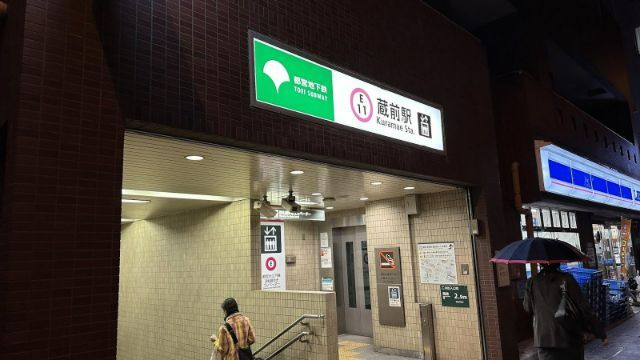
Kuramae dinamai demikian karena sejarahnya sebagai daerah kaya tempat para pedagang menyimpan lumbung dan gudang. Daerah ini dianggap sebagai shitamachi atau "pusat kota" karena letaknya yang berada di antara lingkungan Asakusa, Akihabara, dan Ryogokugo yang lebih ramai. Banyak tamu memilih hotel di Kuramae karena aksesnya yang mudah untuk berjalan kaki ke daerah sekitarnya.
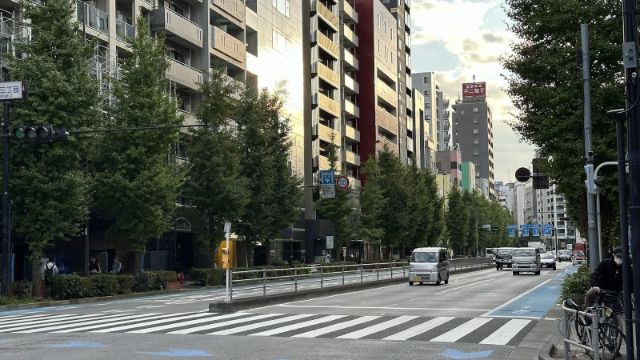
Sekilas, Kuramae tampak agak membosankan – sebagian besar berupa apartemen dan kantor. Namun, kota ini telah menarik semakin banyak pengrajin dan seniman. Beberapa di antaranya melanjutkan pekerjaan yang telah berlangsung ratusan tahun dengan barang-barang tradisional mereka. Yang lain merintis jalan baru dengan produk kerajinan tangan yang dibuat untuk masyarakat modern.
Panduan Kuramae dari Savor Japan ini memperkenalkan berbagai pilihan tempat makan dan belanja di Kuramae yang menjadikan kawasan ini layak untuk ditambahkan ke perjalanan Anda ke Jepang. Baik Anda penggemar roastery kopi skala kecil atau slow fashion, Kuramae menjamin beberapa jam ketenangan yang menyenangkan.
Sedikit jalan-jalan
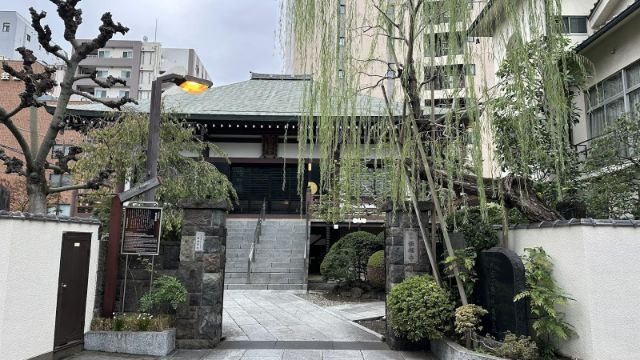
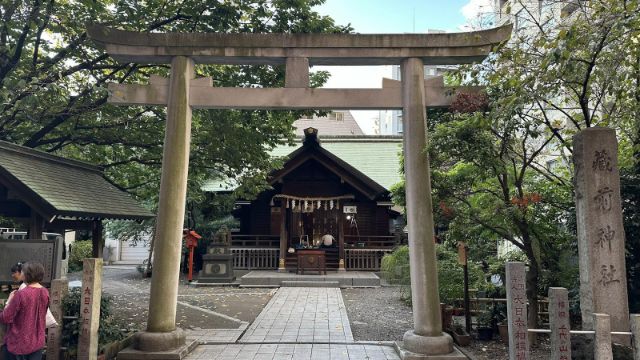
Dibandingkan dengan stadion sumo dan museum pedang Ryogokugo, kuil dan tempat suci Asakusa, dan pusat permainan yang ramai di Akihabara, Kuramae bukanlah tempat yang populer untuk berwisata. Namun, kekurangan atraksi wisata diimbangi dengan momen-momen tenang dan pemandangan Tokyo yang menawan.
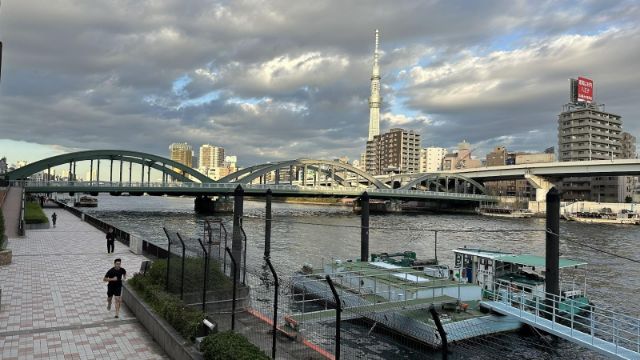
Berjalan menyusuri sungai Sumida, para tamu dapat menikmati jalan-jalan yang tenang saat cuaca bagus. Ini adalah rute yang kurang dikenal untuk menuju dan dari Asakusa dan menawarkan istirahat dari keramaian dengan pemandangan air dan arsitektur tepi kanal yang menawan.
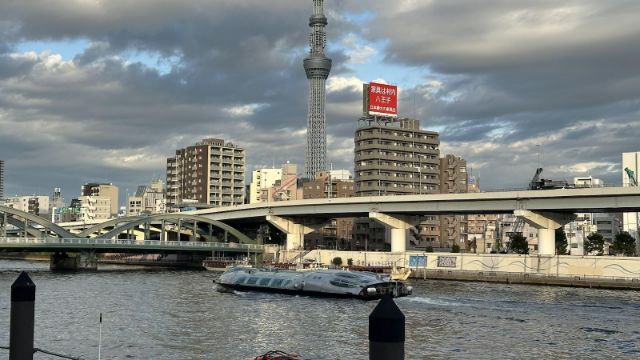
Di malam hari, Anda mungkin bisa melihat perahu restoran yakatabune terapung di Sungai Sumida.Yakatabune Amikouadalah salah satu operator tersebut. Mereka mengundang kelompok kecil atau rombongan besar untuk menikmati masakan Jepang otentik sambil mengagumi pemandangan Taito-ku, termasuk Kuramae dan Ryogoku.
>>Jelajahi Tokyo dengan Kapal Pesta Tradisional Yakatabune
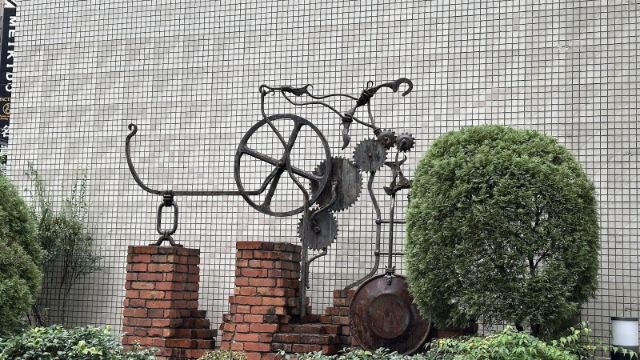
Kuramae memang memiliki beberapa taman dan kuil, dan gedung kantor pusat Bandai layak diabadikan dalam foto dari pinggir jalan bagi penggemar berat, tetapi cara terbaik untuk menghabiskan waktu di sini adalah dengan menikmati belanja dan bersantap di daerah tersebut. Karena sebagian besar aktivitas terbaik berada di dalam ruangan, Kuramae tetap menyenangkan bahkan di hari hujan, ketika sebagian besar area wisata Tokyo menjadi kurang nyaman.
Kopi dan Kafe
Pemanggang Kopi Sol
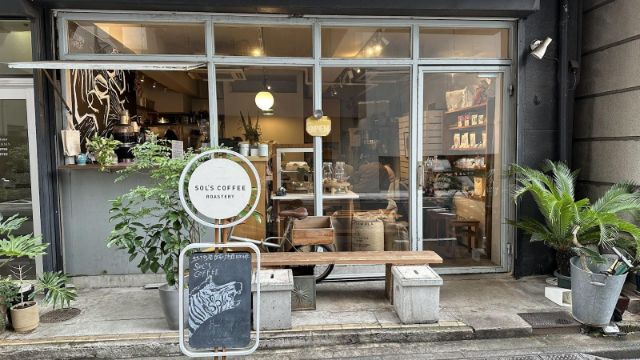
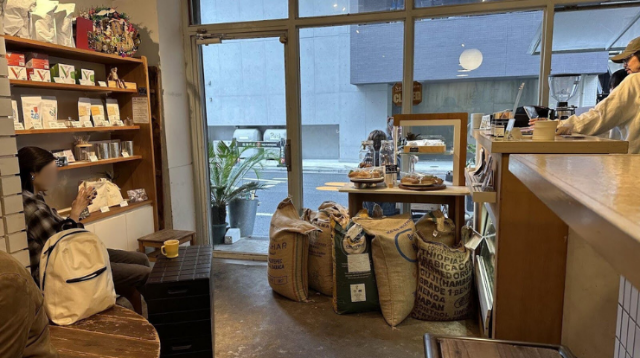
Pemanggang Kopi Sol
Jam Operasional: Senin & Jumat: 08.00 - 17.00
Selasa, Rabu & Kamis: 08.00 - 15.00
Akhir Pekan & Hari Libur: 09.00 - 18.00
Alamat: 3-25-7 Asakusabashi, Taito-ku, Tokyo
Cokelat Dandelion
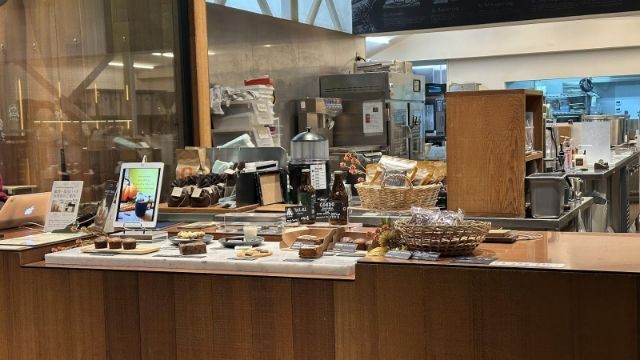
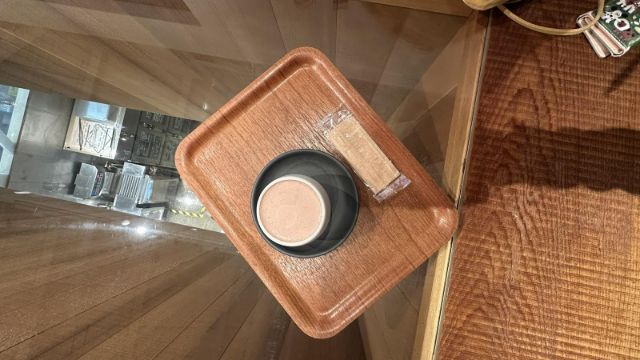
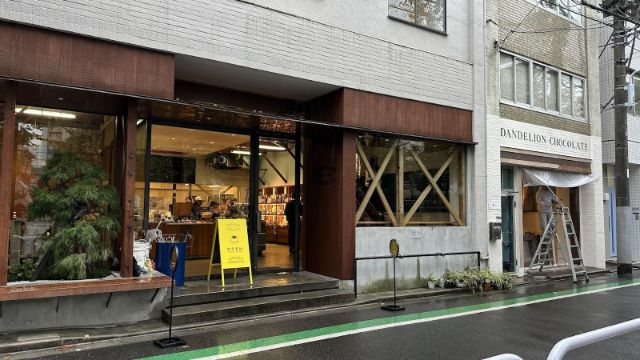
Jam buka: 10:00 pagi - 7:00 malam
Tutup: Buka setiap hari
Alamat: 4-14-6 Kuramae, Taito-ku, Tokyo
Makan
Imai Sohonten (Restoran Jepang Imai)
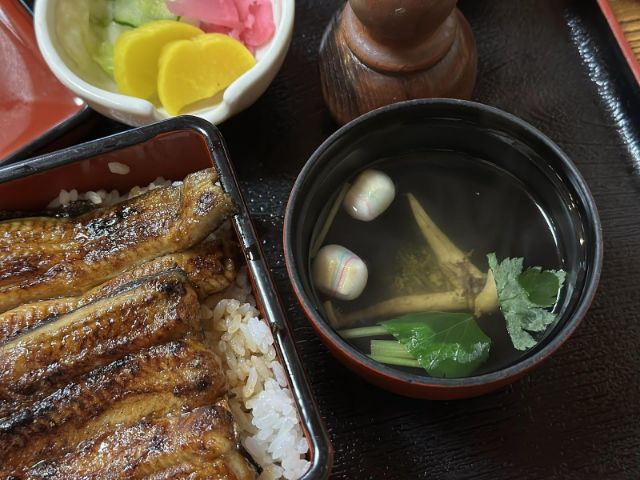
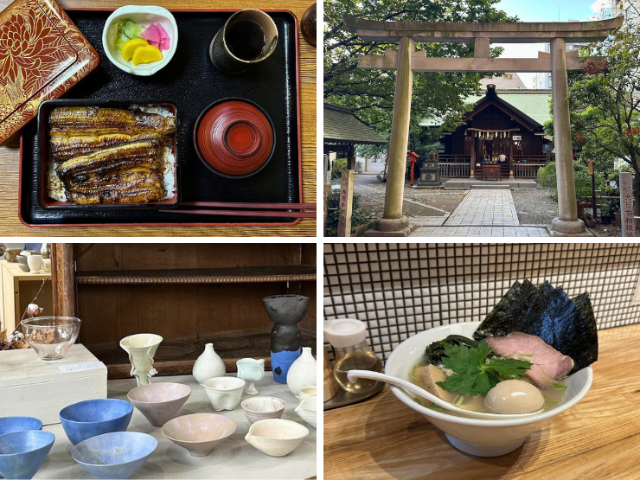
Imai adalah spesialis unagi dan fugu, populer dengan acara hot-pot-nya. Sangat cocok untuk kelompok, dapat menampung hingga enam orang di meja biasa atau bahkan pesta yang lebih besar, hingga 70 tamu, dengan pemesanan ruang pribadi terlebih dahulu. Chef Imai, lahir di Tokyo, mendapatkan unagi-nya dari seluruh negeri, tergantung pada waktu dalam setahun. Banyak bahan lainnya, yang digunakan dalam hidangan kaiseki formal dan makan malam sehari-hari, berasal dari Niigata, Nagano, dan Aomori, di mana perubahan musim yang intens menghasilkan produk yang kaya rasa.
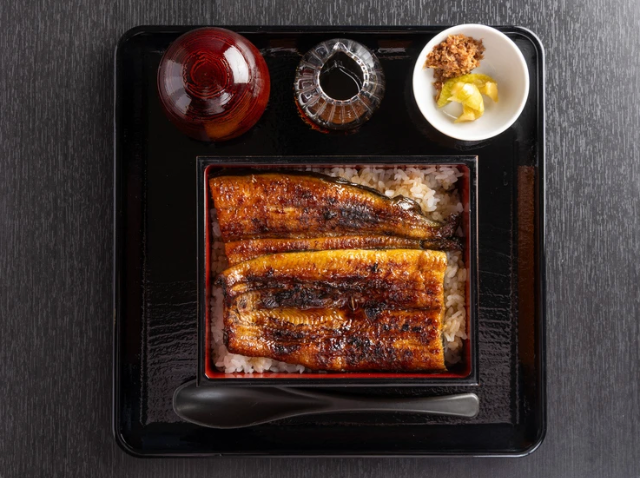
Tersedia berbagai pilihan paket makan siang, tetapi unaju andalan mereka adalah pilihan yang sangat baik. Porsinya pas, dua fillet besar belut lokal yang dimasak ala Kanto dengan semangkuk sup hati belut yang lezat. Saus tare-nya dibuat dengan resep rahasia, menggunakan kecap asin dari Niigata. Tidak seperti banyak saus kental yang biasanya disajikan untuk menemani unagi, saus ini encer, dengan rasa yang lembut dan rasa asam yang menonjolkan lemak unagi.
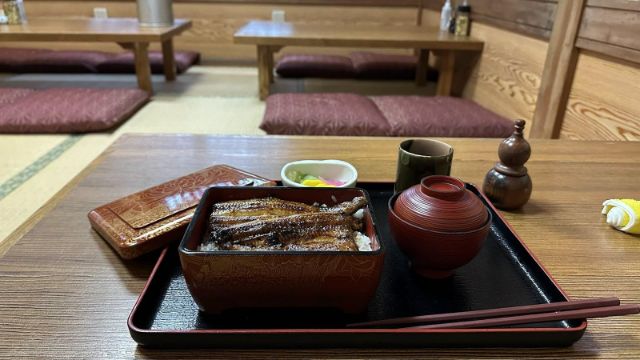
Berasnya, shinmai (beras baru tahun ini), terasa sedikit lebih lembut dari biasanya, dengan butiran panjang dan lonjong yang tidak terlalu lengket. Setiap elemen unaju tampaknya dirancang dengan cermat untuk menonjolkan belut dan hanya belut. Selain kuah dashi yang menyegarkan, semua elemen selain belut menjadi kurang menonjol. Bahkan mereka yang mencicipinya untuk pertama kali akan sepenuhnya menghargai resep unagi Imai yang telah lama diwariskan.
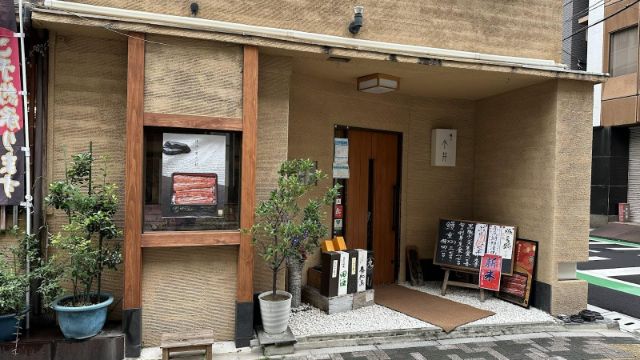
Imai Sohonten
Tutup:Minggu, Hari Libur
Harga rata-rata:[Dinner] 5,000 JPY / [Lunch] 950 JPY
Akses:
Alamat:23-4-1 Kuramae, Taito-ku, Tokyo Peta
Detail Lebih LanjutReservasi
Ramen Kai
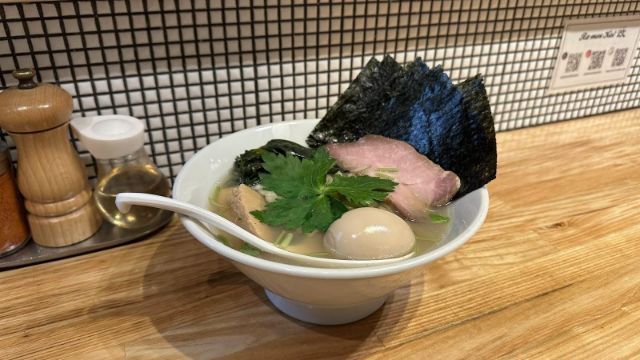
Untuk sesuatu yang lebih santai, cobalah Ramen Kai, yang telah dinilai sebagai salah satu dari 100 kedai ramen terbaik di Tokyo berdasarkan jajak pendapat populer di situs web restoran terkenal. Dengan gaya ramen-ya yang khas, kedai ini hanya memiliki satu konter panjang dan pelanggan membeli tiket mereka di mesin penjual otomatis.
Mie dibuat sendiri di tempat, jadi tidak bisa diubah, tetapi topping dan lauk seperti chashu-don tersedia untuk menyesuaikan hidangan sesuai selera Anda. Spesialisasi kedai ini adalah kaidashi ramen dengan kaldu bening berwarna keemasan atau niboshi tsukemen yang kental. Keduanya berbahan dasar makanan laut, yang satu menggunakan bahan-bahan seperti kerang, dan yang lainnya menggunakan kaldu berbahan dasar ikan. Menma-nya sangat istimewa, menawarkan rasa dan tekstur yang luar biasa, dan chashu-nya cukup rendah lemak. Penggemar shio ramen akan menikmati semangkuk ramen berbahan dasar makanan laut ini.
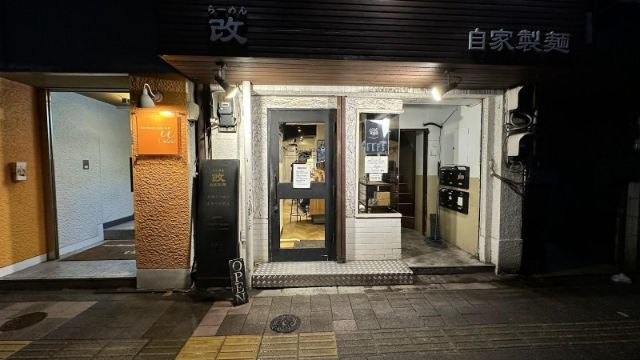
Jam buka: 11:00 - 15:00, 17:30 - 21:00
Hari Libur: Buka setiap hari (※Penutupan akan diumumkan di media sosial resmi.)
Alamat: Gedung Miyauchi. 1F, 4-20-10 Kuramae, Taito-ku, Tokyo
Belanja
JOLI SEMUA BARANG KULIT Kuramae
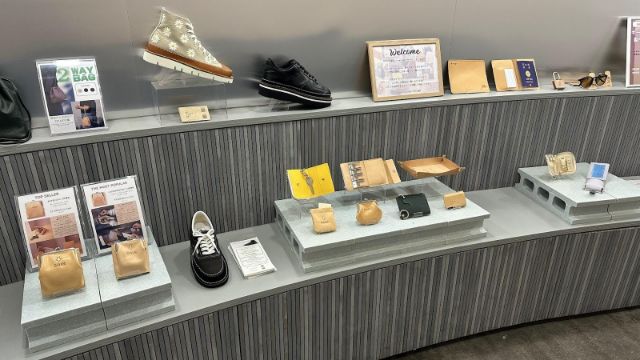
Kuramae adalah rumah bagi banyak produsen skala kecil dan tradisional. Merek-merek barang kerajinan yang dimulai di bagian lain negara ini mulai berasimilasi di Kuramae dengan toko-toko dan bengkel-bengkel cabang yang membawa karya mereka kepada lebih banyak orang. Pembuat jam, bengkel barang kulit, dan penenun hanyalah beberapa dari sekian banyak kerajinan yang ada di sana.
Meskipun tidak semua pedagang terbuka untuk umum, beberapa di antaranya tidak hanya menerima penjualan individual tetapi bahkan menawarkan pengalaman satu hari yang memperkenalkan tamu pada kerajinan mereka. Beberapa pengalaman yang paling populer melibatkan pengerjaan kulit atau logam, seperti di Joli (di gedung yang sama dengan Marcelino Mori). Toko-toko Lainnya, seperti En no Ki, bahkan memungkinkan pengunjung untuk mencoba memanggang biji kopi mereka sendiri.
Joli adalah salah satu merek di lingkungan ini yang sebenarnya berasal dari luar Tokyo, tetapi mendirikan diri di Kuramae agar dekat dengan komunitas pengrajin lokal. Tim ini dikenal dengan sepatu kulit kustom dan dompet serta tempat koin yang unik.
JOLI SEMUA BARANG KULIT Kuramae
Jam buka: 11:00 pagi - 7:00 malam
Alamat: Gedung Kuramae MORI. 1F & 4F, 4-21-2 Kuramae, Taito-ku, Tokyo
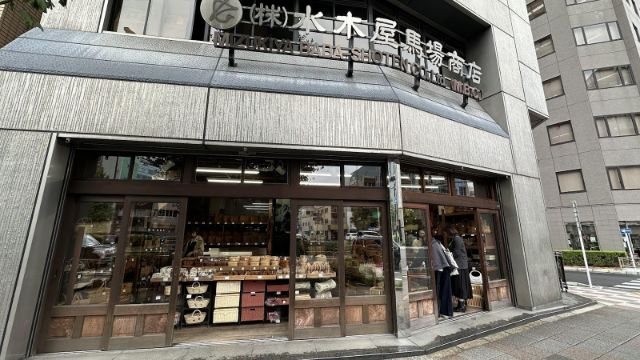
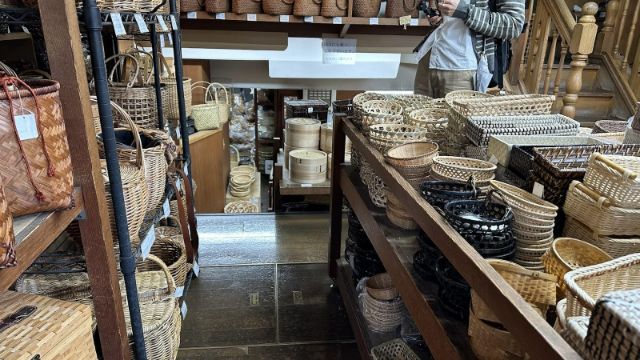
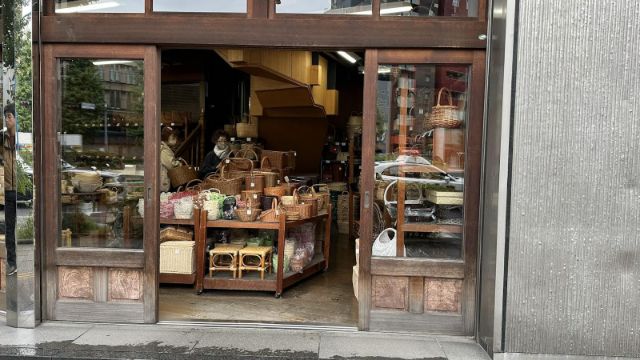
Beberapa produk yang paling menarik adalah keranjang piknik dan peralatan bambu tradisional, seperti pengukus. Suvenir kecil, seperti pengaduk matcha dan kotak bento, juga tersedia bagi mereka yang ruang kopernya semakin sempit.
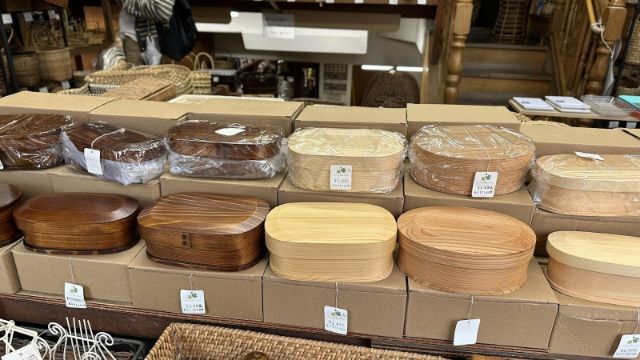
Mizukiya Baba Shoten
Jam buka: 09.30 - 17.00
Tutup: Tutup pada hari Sabtu, Minggu, dan hari libur nasional.
Alamat: 4-6-7 Kuramae, Taito-ku, Tokyo
Peralatan makan Proto dan barang berharga
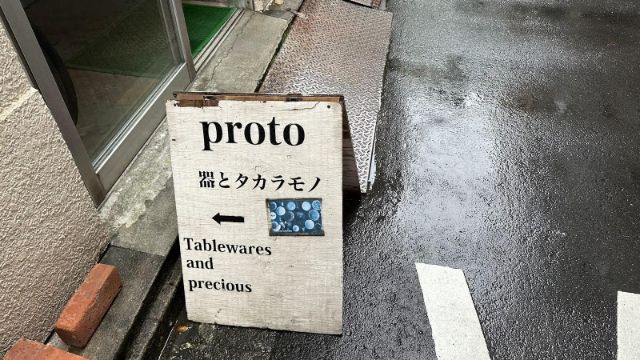
Tepat di luar sebuah bangunan apartemen tua, papan nama putih menandai pintu masuk ke Proto “Peralatan Makan dan Barang Berharga.” Ikuti arus orang yang terus keluar masuk ke ruang di lantai dua, di mana karya-karya para perajin tembikar dan seniman kaca disinari cahaya lembut dari jendela gudang. Saat tulisan ini dibuat, Proto sedang mengadakan festival cangkir, yang menyatukan berbagai cangkir kopi karya seniman kontemporer dari seluruh Jepang.
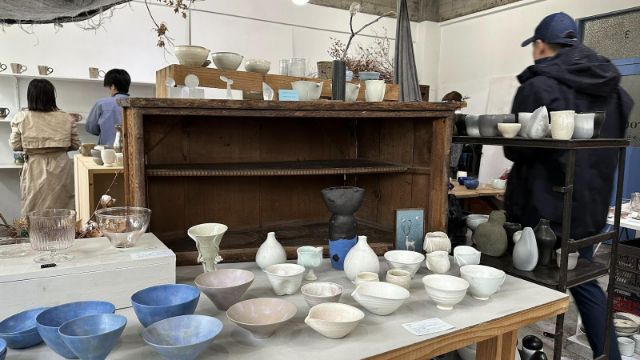
Menurut staf, banyak wisatawan mancanegara rela menempuh perjalanan jauh hanya untuk berbelanja di sini. Setelah meletakkan tas mereka di samping, siapa pun dipersilakan untuk bebas menjelajahi toko dan dengan hati-hati memegang barang-barang keramik. Chawan dan kataguchi (mangkuk pencampur matcha dengan cerat, ideal untuk membuat matcha yang akan dituangkan ke dalam latte), cangkir sake kecil, dan peralatan saji elegan dalam berbagai bentuk dan ukuran dipajang di atas furnitur antik. Dari desain ruang hingga produk-produknya sendiri, tempat ini merupakan contoh budaya kerajinan Kuramae yang sangat direkomendasikan.
peralatan makan purba dan berharga
Jam buka: Hari kerja: 12:00 siang - 7:00 malam
Akhir Pekan & Hari Libur: 11:00 - 19:00
Tutup: Buka setiap hari kecuali hari libur Tahun Baru.
Alamat: Gedung Seika. 2F, 20-4-12 Kuramae, Taito-ku, Tokyo
Maito Design Works
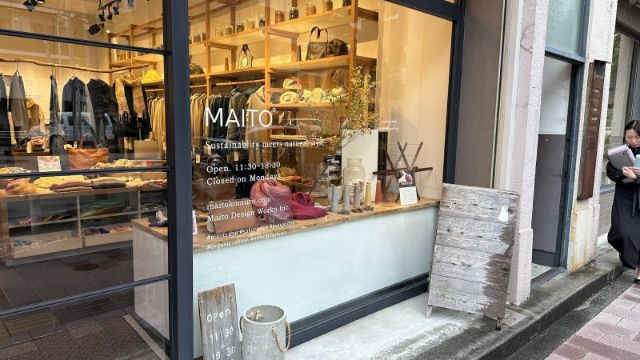
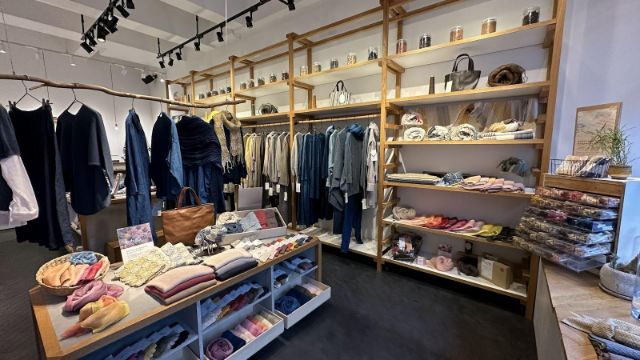
Maito Design Works memproduksi pakaian rajut, pewarna, dan benang alami dengan fokus khusus pada pewarna asli Jepang. Pewarna hangat bernuansa kue yang terbuat dari akar dan kulit pohon dipadukan dengan warna-warna elegan khas Jepang seperti sakura dan indigo. Setiap produk unik dan dibuat agar tahan lama. Selain menjual benang dan pakaian yang diwarnai, Maito Design Works juga menyelenggarakan lokakarya pewarnaan dan telah menerbitkan sebuah buku tentang pewarna alami.
Toko MAITO Kuramae
Jam buka: 11:30 pagi - 6:30 sore
Tutup: Hari Senin
Alamat: 4-14-12 Kuramae, Taito-ku, Tokyo
Pusat Grosir Gading Seluruh Jepang
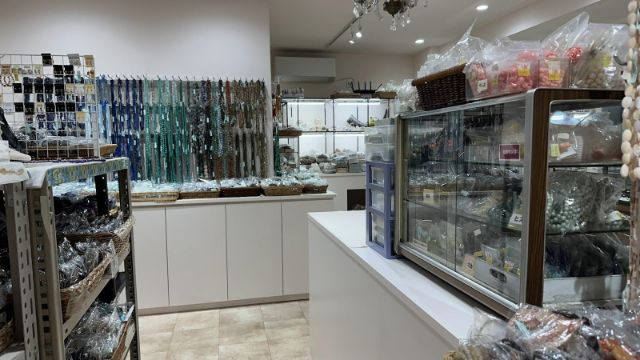
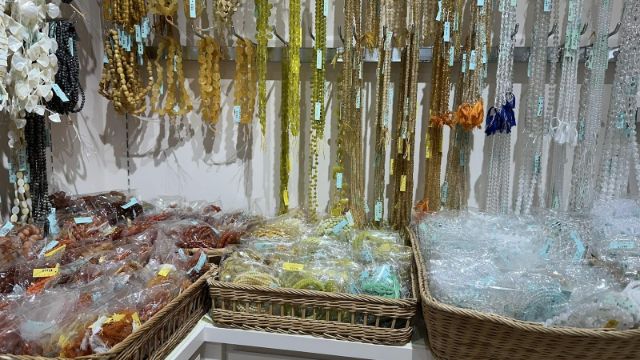
Di seluruh toko, papan peringatan yang ditempatkan dengan baik memperingatkan pengunjung bahwa membeli gading di Jepang dan membawanya sebagai suvenir ke luar negeri adalah ilegal. Warga non-Jepang harus membatasi apresiasi mereka terhadap gading hanya dengan melihatnya di dalam toko. Namun, mutiara dan manik-manik berkilauan dari kuarsa dan pirus cukup menawan untuk memuaskan siapa pun yang ingin mencoba membuat perhiasan sendiri dari bahan-bahan otentik.
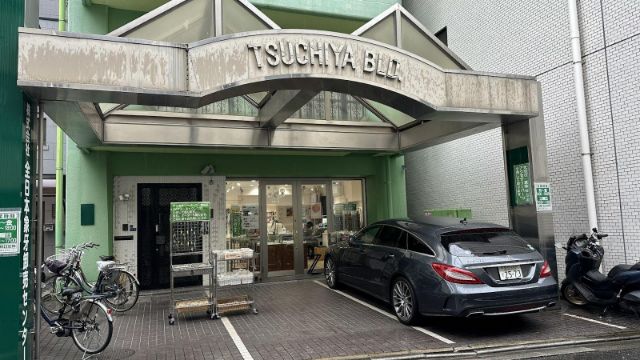
Jam Operasional: Senin-Jumat 09.00 - 18.00, Sabtu 10.00 - 17.00
Tutup: Minggu, Hari Libur Nasional Jepang
Alamat: 4-22-8 Kuramae, Taito-ku, Tokyo
Sugita
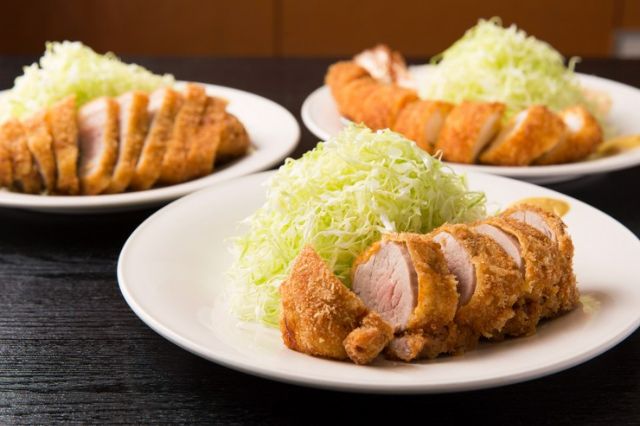
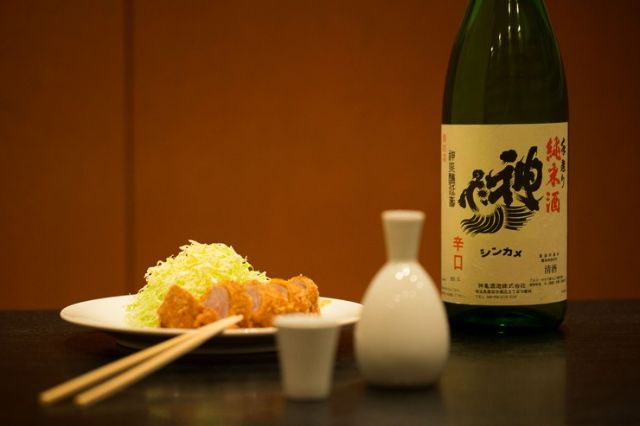
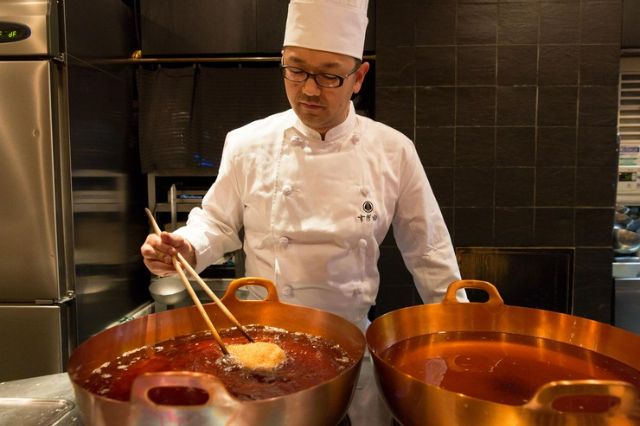
Sugita
Tutup:Kamis
Harga rata-rata:[Dinner] 3,000 JPY / [Lunch] 3,000 JPY
Akses:2 menit berjalan kaki dari Pintu Keluar A5 Stasiun Kuramae di Jalur Subway Toei Oedo / Jalur Asakusa
Alamat:3-8-3, Kotobuki, Taito-ku, Tokyo Peta
Detail Lebih LanjutReservasi
Cabang Utama Unagi Komagata Maekawa
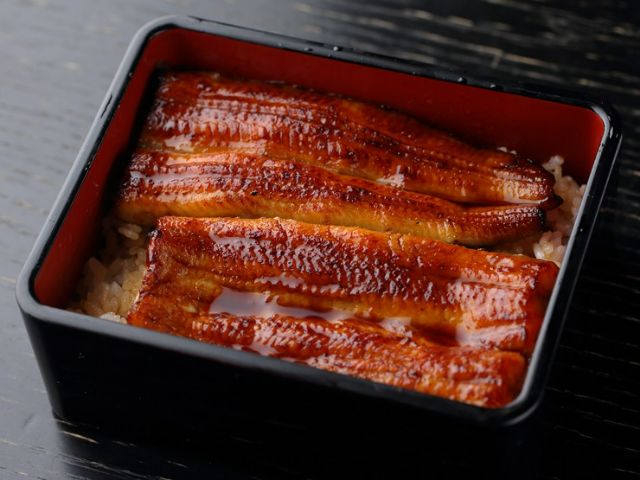
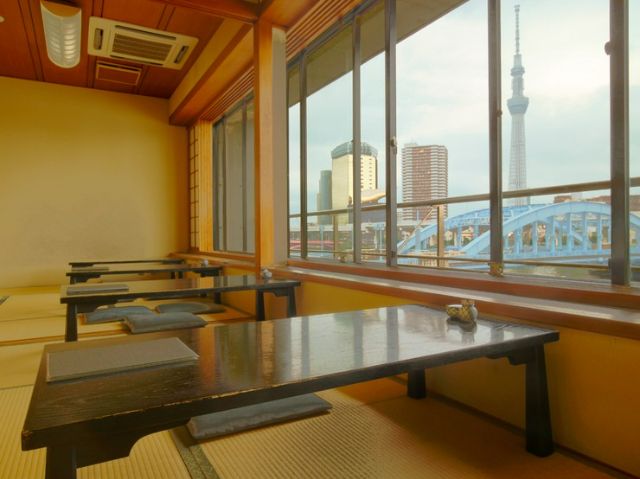
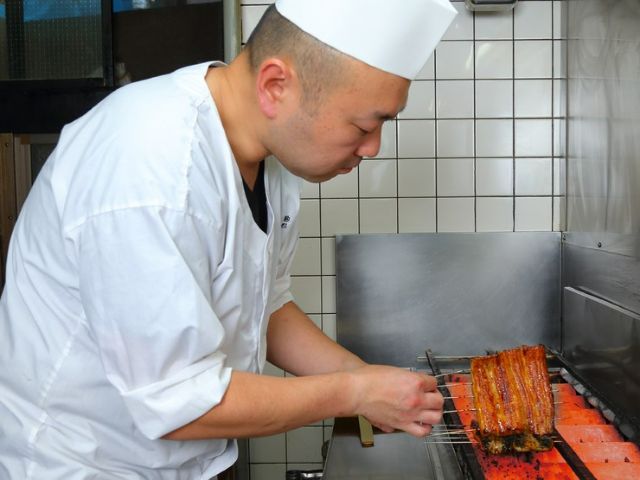
Cabang Utama Unagi Komagata Maekawa
Tutup:Tidak Ada
Harga rata-rata:[Dinner] 9,000 JPY / [Lunch] 6,000 JPY
Akses:1 menit berjalan kaki dari Pintu Keluar A2 Stasiun Asakusa di Jalur Toei Asakusa, atau 3 menit berjalan kaki dari Pintu Keluar 4 Stasiun Asakusa di Jalur Tokyo Metro Ginza.
Alamat:29-1-2, Komagata, Taito-ku, Tokyo Peta
Detail Lebih LanjutReservasi
Kunjungi Kuramae!
Penafian: Semua informasi yang tercantum akurat pada saat pertama kali dipublikasikan.
Terima kasih telah membaca artikel kami.
Tujuan kami adalah membawa perjalanan kuliner Anda ke tingkat berikutnya dengan membantu Anda menemukan restoran terbaik. Dengan SAVOR JAPAN, Anda dapat mencari dan membuat reservasi untuk
Restoran Tonkatsu, Kafe, dan Unagi (belut) yang terdapat di dalam dan sekitar Asakusa yang dapat memenuhi kebutuhan Anda.
Temukan lebih banyak restoran Tonkatsu, Kafe, dan Unagi (belut) berdasarkan area.
- Daerah Tokyo
- Dekat dari Tokyo
- Daerah Kyoto dan Osaka
- Daerah Hokkaido
- Honshu Utara (Tohoku)
- Honshu Tengah (Chubu)
- Honshu Barat (Chugoku)
- Shikoku
- Kyushu
- Kepulauan Okinawa dan Ryukyu
Temukan lebih banyak restoran untuk menikmati masakan Jepang, Makanan Manis/Kafe, dan masakan Jepang berdasarkan area.
Kata Kunci
Artikel Terkait
-
Nikmati Kedai Kopi dan Kafe Tradisional Jepang di Tokyo Kissaten ini
Apa itu kissaten Jepang, dan kissaten Tokyo mana yang terbaik untuk pemula? Simak pengantar singkat tentang kedai kopi tradisional Jepang ini yang mengajak para tamu untuk merasakan nostalgia, budaya kafe, dan asap yang masih terasa dari masa lalu.
-
Kafe Komunitas di Sento yang Telah Direnovasi - Rébon Kaisaiyu di Uguisudani
Sebuah lingkungan tenang di Taito-ku melestarikan budaya yang telah berusia hampir 100 tahun di rébon Kaisaiyu, sebuah pemandian umum yang diubah menjadi kedai kopi dan tempat pemanggangan kopi. Sejarah yang hampir hilang kini menjadi tempat untuk menikmati kopi asli, menyaksikan arsitektur yang menakjubkan, dan berbincang dengan anggota komunitas dari dekat dan jauh.
-
Tokyo Oktober: Bersantap Jepang dengan Art & Vegan Shojin Ryori Omakase di Omotesando
Tokyo October menyajikan washoku klasik, termasuk shojin ryori vegan dan kaiseki di sebuah tempat yang menyerupai kuil yang dirancang oleh seniman Masakan Prancis. Seni dan arsitekturnya berasal dari rumah desain ternama, sementara makanannya diciptakan oleh seorang koki dengan minat dan studi mendalam tentang washoku. Ia telah mengikuti masakan tradisional Jepang hingga ke akarnya selama lebih dari tiga puluh tahun, dengan spesialisasi dalam upacara minum teh dan gastronomi Jepang.
-

11 Restoran Terjangkau Terbaik di Shibuya dan Ebisu, Tokyo
Kami memperkenalkan sepuluh izakaya dan restoran Jepang pilihan di area Shibuya dan Ebisu tempat Anda dapat menikmati santapan dengan harga terjangkau. Tersedia juga restoran yang menawarkan makan siang lezat dengan harga sekitar 1.000 yen. Nikmati kuliner Tokyo di sela-sela kegiatan belanja dan wisata.
-
11 Restoran Pilihan di Tokyo Tempat Anda Dapat Menikmati 'Donburi' yang Lezat
'Donburi' adalah hidangan Jepang populer yang terdiri dari nasi yang diberi topping berbagai bahan seperti daging, ikan, atau telur. Di Tokyo, Anda dapat menemukan berbagai macam donburi termasuk katsudon, oyakodon, don seafood, dan tendon, masing-masing restoran menawarkan cita rasa uniknya sendiri. Hidangan ini direkomendasikan sebagai makanan yang mudah dinikmati saat bepergian.
![[Edisi 2026] Panduan Wisata Okinawa | Tempat Pemandangan Terbaik, Lokasi Foto & Restoran](https://rimage.savorjapan.com/svj/image/discover_oishii_japan/6933/article_head.jpg?t=1782894241)
![[Tokyo] 5 Restoran Terpopuler & Pilihan Editor](https://rimage.savorjapan.com/svj/image/discover_oishii_japan/6957/article_head.jpg?t=1771221300)
Artikel Baru
-
Explore Tochigi's Stunning Views and Gourmet Delights! A Travel Model Course Enjoying Nikko, Ashikaga Flower Park, and the Warehouse District
-
7 Top Eel Restaurants in Fukuoka Where You Can Make Reservations! Enjoy Exquisite Unadon, Seiro-Mushi, and Hitsumabushi Without Waiting in Line
-
A Peaceful Day Trip from Tokyo: Discover the Hidden Charm of Kita-Kamakura
-
Makanan dan Sushi Hokkaido Terbaik di Tokyo: Hokkaisushi hingga Robata Sushiyama Shinjuku
-
![[Panduan Restoran Tokyo] Hibiya Palace|Restoran Masakan Prancis di Taman Hibiya: Makan Siang, Harga Menu & Tips Reservasi](https://rimage.savorjapan.com/svj/image/discover_oishii_japan/7238/article_head_150x105z.jpg?t=1786598582)
[Panduan Restoran Tokyo] Hibiya Palace|Restoran Masakan Prancis di Taman Hibiya: Makan Siang, Harga Menu & Tips Reservasi
Kategori
Masakan
- Bars (24)
-
Japanese Cuisine (707)
- Kaiseki (51)
- Nabe (22)
- Okonomiyaki (25)
- Shabu Shabu (39)
- Soba (19)
- Sushi (150)
- Tempura (20)
- Teppanyaki (45)
- Shojin Ryori (4)
- Tonkatsu (16)
- Kushiyaki (10)
- Yakitori (46)
- Sukiyaki (36)
- Japanese Cuisine (344)
- Oyster (3)
- Sashimi/ Seafood (34)
- Unagi (eel) (38)
- Motsu Nabe (offal hotpot) (12)
- Mizutaki (chicken hot pot) (4)
- Oden (9)
- Kaisendon (seafood bowl) (12)
- Udon (3)
- Taverns(Izakaya) Cuisine (137)
- Western Cuisine (42)
- Italian/French Cuisine (98)
- Yakiniku/Steak (237)
- Chinese Cuisine (27)
- Ramen (Noodles) Cuisine (25)
- Cafe/Sweets (71)
- Other Asian Cuisine (5)
- Global/International Cuisine (7)
- Alcohol (59)
- Other (11)
Daerah
- Shikoku (10)
- Kyoto and Osaka (357)
-
Tokyo (493)
- Tokyo (309)
- Ginza (52)
- Roppongi (27)
- Shibuya (30)
- Shinjuku (52)
- Asakusa (21)
- Ebisu (15)
- Tsukiji (13)
- Tempat-tempat penting Tokyo (5)
- Ueno (24)
- Akihabara (9)
- Ikebukuro (14)
- Jiyugaoka, Denenchofu, Nakameguro (9)
- Shimokitazawa (4)
- Kichijoji (3)
- Tachikawa (1)
- Omotesando, Harajuku, Aoyama (20)
- Akabane (1)
- Kagurazaka (4)
- Akasaka (10)
- Odaiba (2)
- Tsukishima, Harumi, Toyosu (3)
- Near Tokyo (106)
- Okinawa dan Kepulauan Ryukyu (59)
- Hokkaido (125)
- Honshu Utara (Tohoku) (31)
- Central Honshu (Chubu) (146)
- Honshu Barat (Chugoku) (33)
- Kyushu (96)
Arsip
- September 2026(3)
- August 2026(6)
- July 2026(11)
- June 2026(10)
- May 2026(7)
- April 2026(18)
- March 2026(3)
- February 2026(13)
- January 2026(11)
- December 2025(9)
- November 2025(4)
- October 2025(3)
- September 2025(6)
- August 2025(11)
- July 2025(19)
- June 2025(18)
- May 2025(34)
- April 2025(43)
- March 2025(30)
- February 2025(36)
- January 2025(26)
- December 2024(69)
- November 2024(31)
- October 2024(15)
- September 2024(38)
- August 2024(65)
- July 2024(31)
- June 2024(54)
- May 2024(61)
- April 2024(28)
- March 2024(31)
- February 2024(42)
- January 2024(32)
- December 2023(20)
- November 2023(5)
- October 2023(10)
- September 2023(7)
- August 2023(18)
- July 2023(8)
- June 2023(8)
- May 2023(18)
- April 2023(15)
- March 2023(1)
- January 2023(1)
- April 2022(2)
- March 2022(2)
- February 2022(1)
- January 2022(1)
- July 2021(1)
- March 2021(1)
- February 2021(1)
- December 2020(1)
- October 2020(1)
- September 2020(2)
- August 2020(10)
- July 2020(6)
- June 2020(9)
- May 2020(11)
- April 2020(8)
- March 2020(8)
- February 2020(13)
- January 2020(9)
- December 2019(24)
- November 2019(8)
- August 2019(14)
- July 2019(15)
- June 2019(18)
- May 2019(17)
- April 2019(16)
- March 2019(22)
- February 2019(22)
- January 2019(26)
- December 2018(34)
- November 2018(40)
- October 2018(32)
- September 2018(11)
- August 2018(8)
- July 2018(6)
- June 2018(9)
- May 2018(10)
- April 2018(21)
- March 2018(74)
- February 2018(39)
- January 2018(26)
- December 2017(60)
Kata Kunci
- Omakase
- Dapat diakses
- Terjangkau
- Makan Sepuasnya
- Pemandangan yang menakjubkan
- animasi
- Seni
- Musim gugur
- Penghargaan
- Taman Bir
- Sarapan
- Rekomendasi Koki
- Bunga Sakura
- Masakan Tionghoa
- Dekat Stasiun
- Bumbu pelengkap
- Menangkal
- Kupon
- Kepiting
- Budaya
- Dasai
- Tanggal
- pengiriman
- Awal Musim Panas
- Rekomendasi Editor
- Tersedia dalam Bahasa Inggris
- Peristiwa
- Pameran
- Daun Musim Gugur
- Ramah Keluarga
- Restoran Terkenal
- Tempat Wisata Terkenal
- Makanan Cepat Saji
- festival
- kembang api
- Perkebunan Bunga
- Gratis Wi-Fi
- Masakan Prancis
- Lokasi Bagus
- Memandu
- Ikan Hibachi
- makanan daging dan sayur
- Bagaimana Caranya
- bunga hortensia
- Kebersihan
- Penerangan
- Masakan Italia
- Izakaya
- Jepang
- alkohol jepang
- jingisukan
- Kaiseki
- Kappo
- Kushiage
- Kusikatsu
- Kyoto
- Larut Malam
- Makan siang
- Tata krama
- matsusakagyu
- Michelin
- mizutaki
- Kursus Model
- monjayaki
- motsunabe
- Gunung Fuji
- Menu Multibahasa
- Nabe
- Bandara Narita
- Tahun Baru
- Ninja
- Mi
- Oden
- Okonomiyaki
- omotenashi
- Pemandian air panas
- Osaka
- Osaka Stasiun
- Situs Fotogenik
- pizza
- hubungan masyarakat
- Kamar Pribadi
- Ramen
- peringkat
- Resep
- Masakan Daerah
- Resor
- Hidangan Mangkuk Nasi (Donburi)
- tempat-tempat suci
- Demi
- Sakura
- Sashimi
- bulu babi
- Daerah Setouchi
- Shabu-Shabu
- tamasya
- Hidangan Khas
- Soba
- Pengunjung Solo Dipersilakan
- Makanan Pedas
- Musim semi
- Steak
- Musim panas
- Bunga matahari
- Sushi
- bawa pulang
- Teppanyaki
- Tempat Duduk Teras
- Tokyo
- Pengalaman Tokyo
- Tokyo Skytree
- Menara Tokyo
- daging panggang
- UNESCO
- Makanan sehat
- Vegetarian
- Daging wagyu
- Apa Saja Rekomendasi Situs Kuliner Populer?
- Wiski
- Bar Wine
- Musim dingin
- Bunga wisteria
- Bengkel
- Situs Warisan Dunia
- Penulis Dunia
- Yakiniku
- Yoshoku
- Yuba
- Bahasa Zen
Temukan Restoran Berdasarkan Area
-

Daerah Tokyo
Kota terbesar di Jepang, Tokyo, merupakan pusat budaya kuliner di Jepang. Banyak sekali restoran Tokyo yang menyajikan berbagai jenis makanan yang dapat dibayangkan dan pasar ikan Toyosu menyediakan berbagai restoran dengan ikan-ikan terbaik di negara ini.
-

Dekat dari Tokyo
Daerah pesisir, pegunungan, dan lembah di sekitar Tokyo dipenuhi dengan tujuan wisata, seperti sumber air panas dan lereng ski, tempat banyak makanan unik yang hanya tersedia secara lokal.
-

Daerah Kyoto dan Osaka
Kota Kyoto dan Osaka, beserta daerah di sekitarnya, telah memengaruhi budaya kuliner Jepang sejak abad ke-7. Wilayah ini terkenal dengan hiburannya, daging sapi Kobe, dan beragam hidangan tradisional.
-

Daerah Hokkaido
Pulau Hokkaido merupakan rumah bagi berbagai macam hasil bumi dengan kualitas terbaik, seperti beras, daging, sayur, ikan, dan buah. Hidangan populer dari Hokkaido meliputi robatayaki (makanan yang dipanggang perlahan di tusuk sate) dan ramen miso Sapporo.
-

Honshu Utara (Tohoku)
Ujung utara pulau utama Jepang, Honshu, terkenal dengan buah dan sayur musimannya, panen ikan terbaik di negara ini (terutama tuna dari Ohma), dan daging sapi lezat dari Yonezawa, Sendai, dan Yamagata.
-

Honshu Tengah (Chubu)
Chubu terletak di tengah pulau utama Jepang, Honshu, dan budaya kulinernya mencerminkan posisinya di antara belahan barat dan timur Jepang. Daging sapi Hida yang lezat, Gunung Fuji yang terkenal di dunia, dan banyak pabrik sake yang diakui ada di Chubu.
-

Honshu Barat (Chugoku)
Chugoku, di barat daya pulau utama Jepang, kaya akan hasil bumi yang beragam. Banyak produknya dipuji sebagai yang terbaik di Jepang, termasuk kepiting Matsuba dari Tottori dan tiram dari Hiroshima. Pir dan muscatnya juga bermutu tinggi.
-

Shikoku
Iklim Shikoku yang sedang sangat cocok untuk menanam buah jeruk seperti sudachi. Shikoku juga terkenal dengan mi udon Sanuki, hasil panen udang windu yang melimpah dari Prefektur Ehime, dan torafugu (ikan bulat macan) terbaik di negara ini.
-

Kyushu
Budaya Masakan Barat pertama kali diperkenalkan ke Jepang melalui Kyushu, pulau terbesar ketiga di Jepang, di mana pengaruh masakan Portugis dan masakan Barat lainnya memengaruhi terciptanya tradisi kuliner yang penuh warna.
-

Kepulauan Okinawa dan Ryukyu
Okinawa, prefektur paling selatan Jepang, adalah gudang harta karun hidangan dan minuman khas yang telah populer di seluruh Jepang, termasuk soba Okinawa, topping sushi yang unik, dan minuman keras sulingan Awamori.