[Roppongi, Tokyo] SUKIYAKI Rokumatsu, Top A5 Wagyu Sukiyaki Recommendations: Encountering the Strangest Surprises in the Most Familiar Dishes
![[Roppongi, Tokyo] SUKIYAKI Rokumatsu, Top A5 Wagyu Sukiyaki Recommendations: Encountering the Strangest Surprises in the Most Familiar Dishes](https://rimage.savorjapan.com/svj/image/discover_oishii_japan/7027/article_head.jpg?t=1775634968)

2020 MISS SAKE TAIWAN and a certified International Sake Sommelier.
She provides insider travel tips on Japan, helping visitors go beyond the surface and experience the country more authentically.
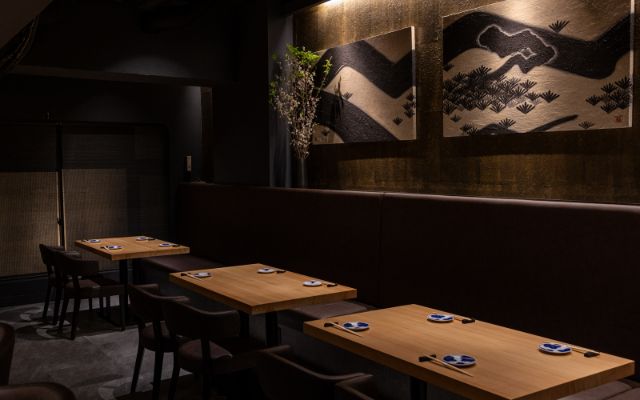
Lupakan hiruk pikuk kota, dan temukan ruang Zen yang tenang dan elegan di sini.
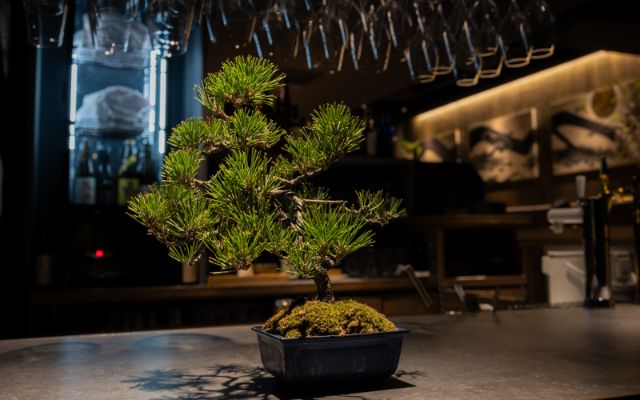
Biarkan editor membawa Anda menyaksikan momen ketika bahan-bahan berubah dari merah terang menjadi cokelat keemasan, seolah-olah melalui kata-kata Anda dapat mendengar lemak mendesis di atas besi panas, dan merasakan aroma daging Wagyu yang semakin kuat melalui layar saat saus mendidih.
'Keseimbangan Tertinggi' dari Kyushu Kuroge Wagyu
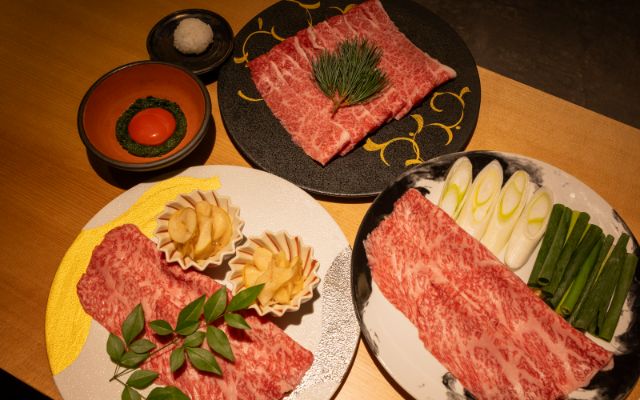
Selain itu, beberapa jenis Wagyu (seperti daging sapi Kobe) dikenal karena lemaknya yang lembut, tetapi Kyushu Kuroge Wagyu (terutama dari Kagoshima dan Miyazaki) menunjukkan performa yang lebih kuat dalam rasa "umami" dagingnya. Dagingnya yang tanpa lemak memiliki aroma daging yang dalam, dan ketika dipadukan dengan saus "sukiyaki" yang asin-manis, rasa dagingnya tidak tertutupi oleh saus, melainkan memungkinkan Anda untuk merasakan kesegaran dagingnya. Lihatlah pola lemak marmer yang indah itu; daging sapi yang digunakan adalah ribeye, dan bagian yang berbeda digunakan untuk menciptakan tiga sajian sukiyaki. Set makanan yang dinikmati kali ini adalah 【makan malam enam hidangan】 dengan total 10 hidangan seharga 13.200 yen, setara dengan sekitar 2.600 Dolar Taiwan Baru, yang meliputi:
・Tiga hidangan pembuka musiman (Kesemek dengan keju mascarpone (dengan mint), kaviar dengan daging sapi Wagyu panggang, mukago (umbi ubi jalar) dengan bonito dan nanohana (bunga rapeseed))
・Hidangan Wagyu Kreatif (Gulungan bayam dan daging sapi Wagyu dengan bunga shiso dan kaldu telur salmon)
・Lidah sapi potong tebal yang direndam dalam miso Sendai selama 12 jam dengan sayuran musiman
・Tiga cara menikmati Kuroge Wagyu:
Sukiyaki ala Kansai
Sukiyaki ala Kanto
Asli: Sukiyaki anggur merah dengan Wagyu
・Salad herba mikro dari Murakami Farm
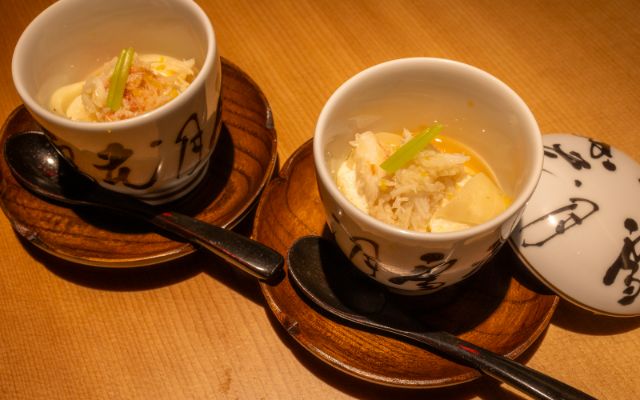
・Chawanmushi daging kepiting musiman
・Nasi "Hitomebore" dan sup miso merah khas Iwate
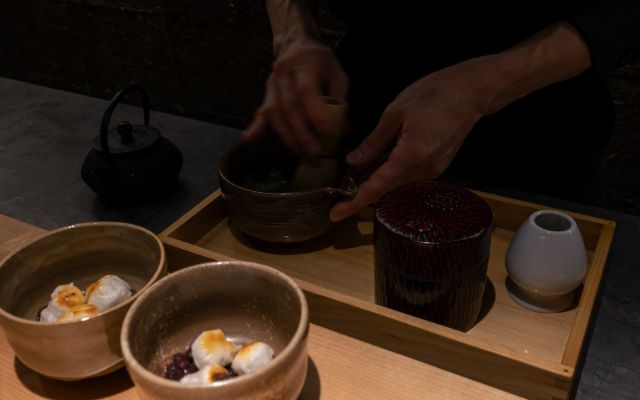
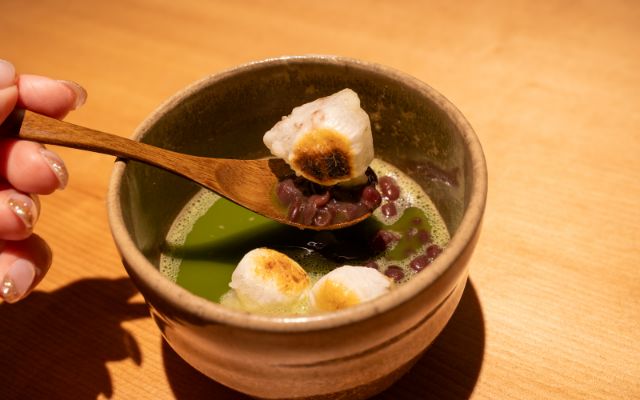
・Shiratama dengan kacang merah dan matcha Uji
• Pengingat: Sayuran dan makanan penutup akan berubah sesuai musim, jadi mungkin akan ada kejutan setiap kali Anda berkunjung.
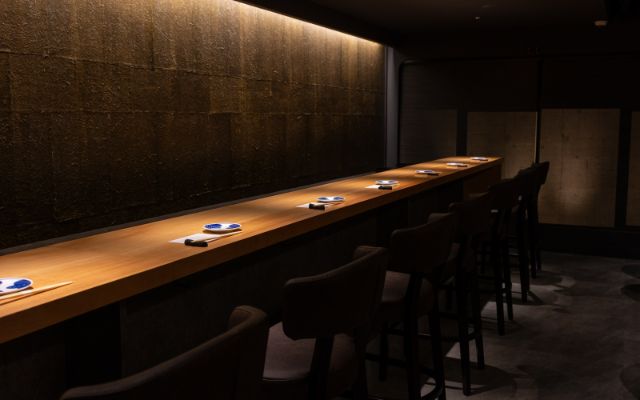
SUKIYAKI Rokumatsu
Tutup:Minggu
Harga Rata-rata:[Dinner] 15,000 JPY / [Lunch] 3,000 JPY
Akses:1 menit jalan kaki dari Pintu Keluar 7 Stasiun Roppongi di Jalur Toei Oedo/Jalur Tokyo Metro Hibiya. Lokasinya tepat di dekat Tokyo Midtown.
Alamat:B1F, Takeoka Bldg., 4-12-11, Roppongi, Minato-ku, Tokyo
Detail Lebih LanjutReservasi
Hidangan pembuka yang istimewa dan masakan kreatif dengan daging sapi Wagyu.
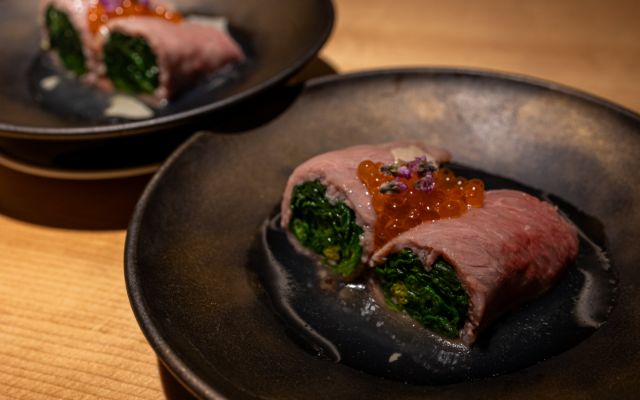
Di hadapan saya terbentang hidangan kreatif yang terbuat dari daging sapi Wagyu. Kali ini, menu menyajikan Wagyu roll berisi bayam dalam kaldu yang diberi taburan bunga perilla dan telur salmon. Namanya saja sudah menunjukkan penggunaan berbagai macam bahan untuk menciptakan lapisan tekstur, yang tidak hanya memanjakan mata tetapi juga memberikan kepuasan rasa yang luar biasa.
Ketahanan pada Lidah Sapi yang Sudah Tua
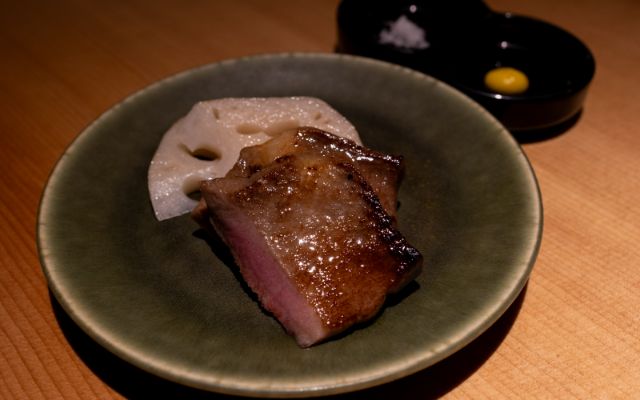
Gigitan pertama sungguh nikmat, menggunakan bagian tengah hingga belakang lidah sapi yang telah direndam dalam miso. Setelah direndam lama dalam miso, enzim dalam miso memecah serat daging sapi. Hal ini membuat daging lidah sapi yang awalnya keras menjadi lebih lembut dan halus, menghadirkan tekstur yang "lembut namun empuk, empuk namun renyah." Rasa umami dari daging itu sendiri menjadi lebih pekat, dan hanya satu gigitan kecil saja sudah mengangkat lidah sapi ke level yang berbeda.
Pertama, nikmati cita rasa aslinya, lalu padukan dengan garam laut dan mustard kuning di sampingnya untuk menciptakan aroma yang berbeda. Tekstur kenyal yang mudah dinikmati dan kedalaman miso yang meresap ke dalam serat, dikombinasikan dengan akar teratai Kaga yang sedikit lengket dari Prefektur Ishikawa, benar-benar membuat kita menantikan hidangan berikutnya.
Sebuah pesta untuk indera, sukiyaki yang mencakup rentang waktu dari era Meiji hingga zaman modern.
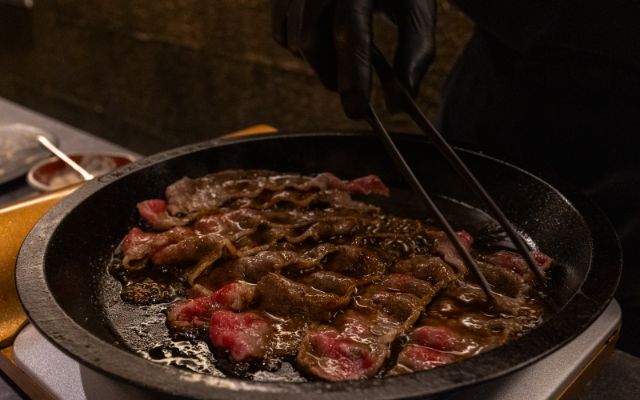
Membedah Timur dan Barat: Tahukah Anda bahwa Sukiyaki memiliki dua faksi utama?
Sukiyaki tradisional di Jepang terbagi menjadi dua jenis utama.
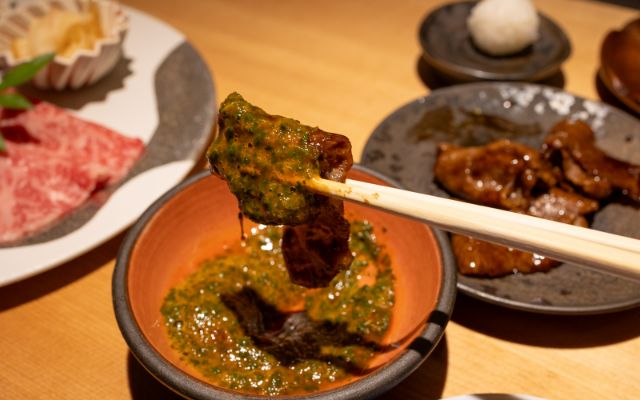
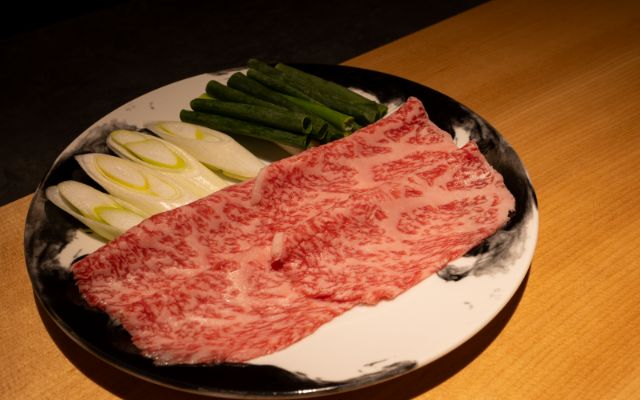
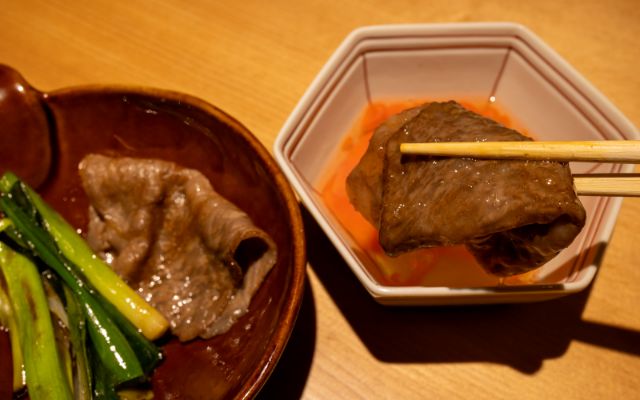
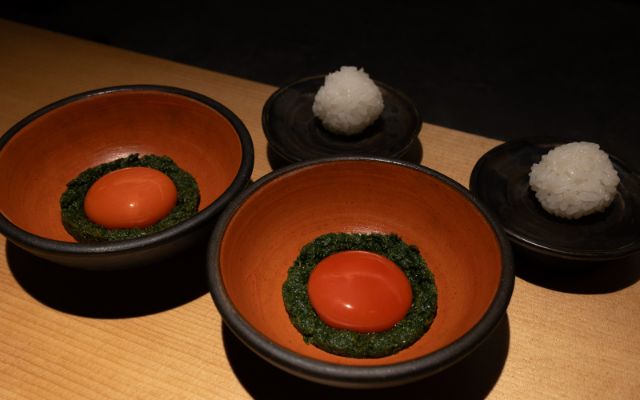
Setelah disajikan, telur dengan warna oranye-merah mengkilap ini menghadirkan warna oranye senja, yang berasal dari "Telur Shinkou" Aomori. Banyak restoran menggunakan cairan telur hanya untuk memberikan kelembutan, tetapi tekstur telur ini terasa sangat kaya. Ketika daging sapi panas mengepul dibungkus dengan cairan telur yang telah dingin, suhu daging sapi akan menurun, sehingga Anda tidak hanya dapat merasakan cita rasa Wagyu secara langsung tetapi juga memberikan kelembutan creamy yang benar-benar membuat Anda ingin terus menyantapnya.
SUKIYAKI Rokumatsu
Tutup:Minggu
Harga Rata-rata:[Dinner] 15,000 JPY / [Lunch] 3,000 JPY
Akses:1 menit jalan kaki dari Pintu Keluar 7 Stasiun Roppongi di Jalur Toei Oedo/Jalur Tokyo Metro Hibiya. Lokasinya tepat di dekat Tokyo Midtown.
Alamat:B1F, Takeoka Bldg., 4-12-11, Roppongi, Minato-ku, Tokyo
Detail Lebih LanjutReservasi
Evolusi dan Inovasi: Saus Sukiyaki Wine Merah
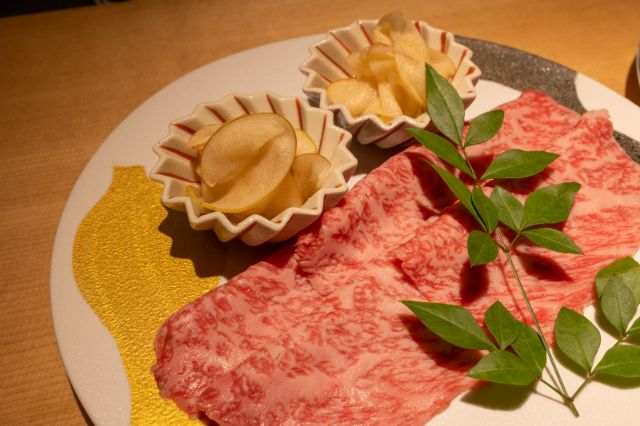
Berbeda dengan cita rasa tradisional yang telah dicicipi sebelumnya, interpretasi modern dari "Saus Wine Merah" disajikan. Mereka menggabungkan anggur merah ke dalam saus, dengan cerdik memanfaatkan keasaman dan tanin anggur, yang secara efektif menetralkan lemak kaya daging wagyu dengan asam buah dan sedikit tanin dalam anggur. Ini juga meningkatkan lapisan rasa, memberikan kesan saus reduksi Masakan Prancis, memungkinkan wagyu mengeluarkan aroma anggur merah dan nuansa buah yang lembut di mulut. Di sini, dipadukan dengan bumbu rendaman cuka apel khusus, meniru potongan jahe sushi yang halus, memungkinkan para penikmat kuliner untuk merasakan keseimbangan dan percikan yang diciptakan oleh berbagai kombinasi bahan sambil menikmati hidangan ini.
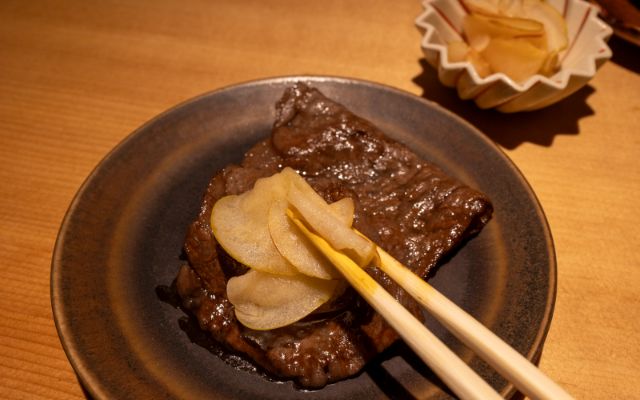
Pilihan Sommelier Sake Internasional, Paduan Sake Jepang Terbaik
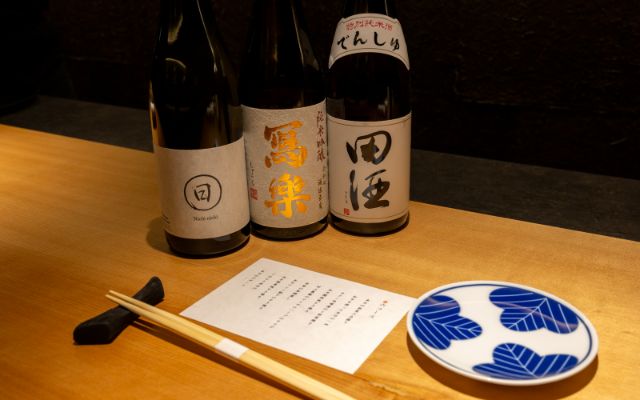
Nichi Nichi dari Kyoto, Sharaku dari Fukushima, dan Denshu dari Aomori.
1. Nichi Nichi —— Ringan dan sedikit berkarbonasi, sangat mudah dinikmati, berfokus pada minimalisme. Memiliki rasa menyegarkan dengan sedikit keasaman berkarbonasi yang dapat langsung menyeimbangkan lemak kaya wagyu A5 seperti air soda.
2. Sharaku Junmai Ginjo — Keseimbangan antara aroma buah dan rasa manis, sebuah karya representatif dari Prefektur Fukushima. Anggur ini memiliki aroma melon atau apel yang khas, dengan rasa manis yang elegan dan keasaman yang cerah yang cocok dipadukan dengan rasa umami daging sapi.
3. Denshu Tokubetsu Junmai —— Umami dan tekstur beras, minuman terkenal dari Prefektur Aomori. Minuman ini tidak menggunakan alkohol dalam proses pembuatan bir, sehingga menekankan rasa "umami" asli dari beras. Teksturnya stabil dan kaya, dengan aroma beras yang khas, menjadikannya minuman yang kuat; jika Anda hanya ingin minum satu gelas, Anda bisa memilih yang ini.
Restoran ini menawarkan beragam sake, dan sebaiknya tanyakan kepada staf restoran untuk rekomendasi sesuai dengan hari itu. Restoran ini juga menyediakan paket pairing, yang memungkinkan Anda untuk mencicipi banyak anggur merah dan putih terkenal selain sake, sehingga menambah cita rasa pada hidangan Anda.
Salad Herbal Mini dari Murakami Farm
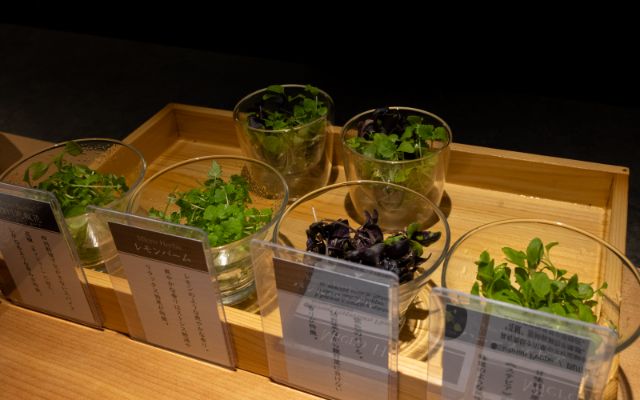
Dalam salad ini, dapatkah Anda merasakan rasa madu? Lemon? Bahkan kemangi dan rasa pedas lada Sichuan! Sungguh mengejutkan, dan setelah beberapa hidangan daging, mereka menyajikan salad yang disukai semua orang, tetapi salad ini sangat istimewa, disajikan sepenuhnya dengan bahan-bahan beraroma herbal, membuat santapan Anda sama sekali tidak membosankan, dan unsur kejutan pun terpenuhi.
Santapan yang hangat dan penutup yang sempurna dengan hidangan penutup matcha.
kesimpulan
SUKIYAKI Rokumatsu
Tutup:Minggu
Harga Rata-rata:[Dinner] 15,000 JPY / [Lunch] 3,000 JPY
Akses:1 menit jalan kaki dari Pintu Keluar 7 Stasiun Roppongi di Jalur Toei Oedo/Jalur Tokyo Metro Hibiya. Lokasinya tepat di dekat Tokyo Midtown.
Alamat:B1F, Takeoka Bldg., 4-12-11, Roppongi, Minato-ku, Tokyo
Detail Lebih LanjutReservasi
Penafian: Semua informasi yang tercantum akurat pada saat pertama kali dipublikasikan.
Terima kasih telah membaca artikel kami.
Tujuan kami adalah membawa perjalanan kuliner Anda ke tingkat berikutnya dengan membantu Anda menemukan restoran terbaik. Dengan SAVOR JAPAN, Anda dapat mencari dan membuat reservasi untuk
the Sukiyaki, Sake and Wine restaurants found in and around Roppongi that fill your needs.
Discover more Sukiyaki, Sake and Wine restaurants by area
- Daerah Tokyo
- Dekat dari Tokyo
- Daerah Kyoto dan Osaka
- Daerah Hokkaido
- Honshu Utara (Tohoku)
- Honshu Tengah (Chubu)
- Honshu Barat (Chugoku)
- Shikoku
- Kyushu
- Kepulauan Okinawa dan Ryukyu
Discover more restaurants to eat Cuisine, Alcohol and Alcohol by area
Kata Kunci
Artikel Terkait
-
Tokyo Oktober: Bersantap Jepang dengan Art & Vegan Shojin Ryori Omakase di Omotesando
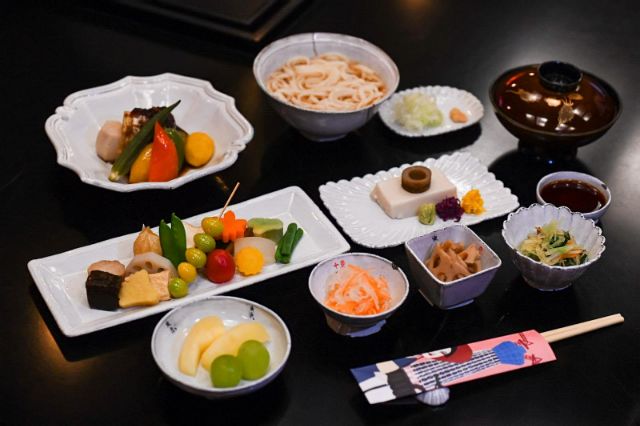
Tokyo October menyajikan washoku klasik, termasuk shojin ryori vegan dan kaiseki di sebuah tempat yang menyerupai kuil yang dirancang oleh seniman Masakan Prancis. Seni dan arsitekturnya berasal dari rumah desain ternama, sementara makanannya diciptakan oleh seorang koki dengan minat dan studi mendalam tentang washoku. Ia telah mengikuti masakan tradisional Jepang hingga ke akarnya selama lebih dari tiga puluh tahun, dengan spesialisasi dalam upacara minum teh dan gastronomi Jepang.
-
Shabu-Shabu & Sukiyaki Solo Terbaik di Shinjuku, Tokyo: Hot Pot yang Wajib Dicoba di Matsugoro
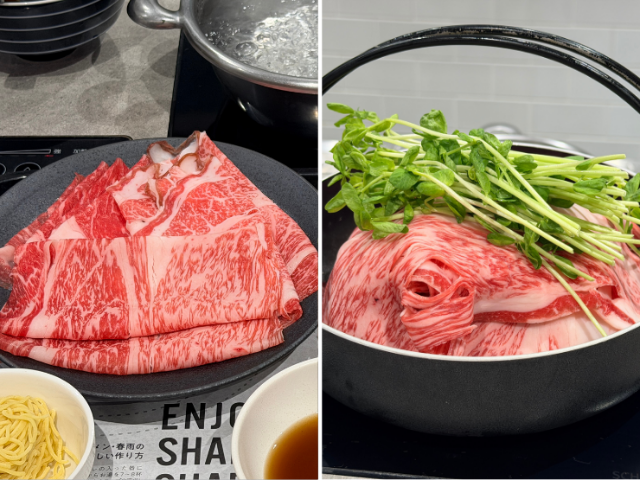
Sebagai pelancong solo di Tokyo, kekhawatiran yang paling umum adalah: "Ke mana saya harus pergi untuk makan?" Terutama ketika menginginkan hidangan hot pot yang mengharuskan "berbagi panci," seringkali terasa porsinya terlalu besar, dan suasananya tidak tepat. Jika Anda juga seorang pelancong kuliner yang menyukai perjalanan solo dan menikmati eksplorasi santai, maka Hitori Shabu-Shabu Nanadaime Matsugoro Shinjuku Toho Bldg. Cabang yang terletak di Gedung Shinjuku Toho adalah tempat yang tepat untuk Anda. Ini adalah toko spesialis shabu-shabu yang dirancang khusus untuk "makan sendirian," dengan pengaturan tempat duduk, metode pemesanan, dan daging yang diiris segar semuanya berpusat pada individu, memungkinkan Anda untuk meletakkan barang bawaan dan menikmati makanan yang santai dan memuaskan sendirian.
-
Harus Mencoba Hokkaido Izakaya di Shibuya: Kushiroya
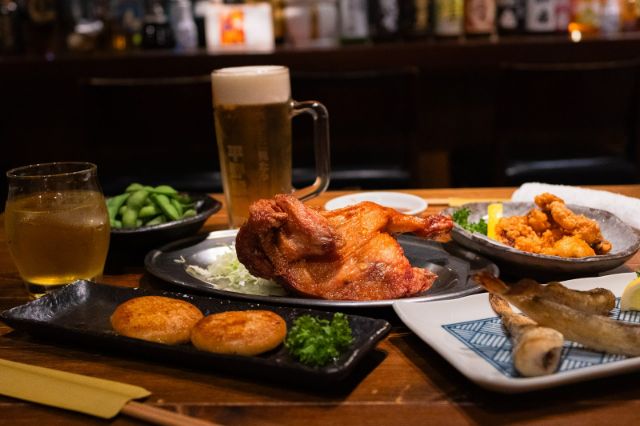
Shibuya penuh dengan tempat-tempat "tersembunyi", tetapi Anda akan tahu bahwa Anda telah menemukan Kushiroya ketika Anda menemukan lubang intip yang sebenarnya di bangunan Dogenzaka yang sederhana. Menuruni tangga, melewati foto-foto tamu, Chef Unuma menyajikan makanan izakaya dari kampung halamannya, Kushiro, di Hokkaido. Cicipi hidangan daerah yang langka dan rasakan keseruan serta keakraban izakaya Jepang "sempurna" ala koki tersebut.
-
Tokyo Shinagawa | Kani Isshin: Raih "Kebebasan Kepiting" Tanpa Khawatir Soal Musim
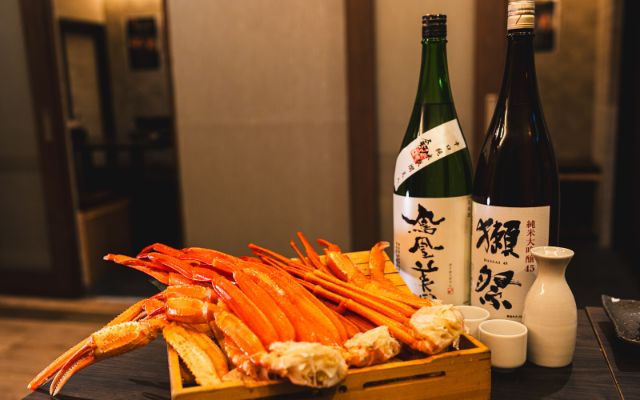
Saat Anda datang ke Tokyo dan ingin makan kepiting, dua kekhawatiran terbesar adalah: pertama, transportasinya terlalu jauh, dan kedua, Anda mungkin melewatkan musimnya. Di kawasan elit bisnis Shinagawa, terdapat pilihan yang sangat ramah wisatawan—"Crab, Seafood, and Fine Sake - Kani Isshin." Lokasinya hanya dua menit berjalan kaki dari Pintu Keluar Konan Stasiun JR Shinagawa, dengan lokasi yang sangat strategis. Terdapat banyak hotel di dekatnya, sehingga sangat cocok untuk wisatawan. Di sini tidak ada yang namanya "pembatasan musiman".
-
Kuliner di Sekitar Stasiun Tokyo | Sukiyaki Dua Belas Surga: Toko Spesialis Sukiyaki Wagyu Hitam Premium A5 Marunouchi
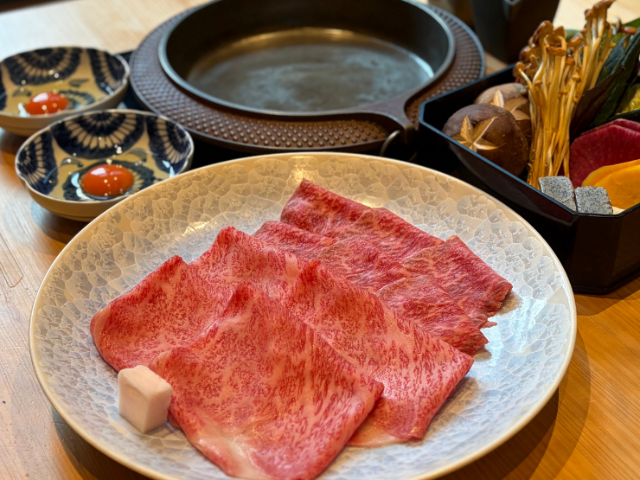
In the heart of Tokyo's Marunouchi, if you're looking for a low-key, luxurious, and exquisitely delicious wagyu feast, be sure to include "Sukiyaki Twelve Heavens" in your must-visit list! This A5 wagyu sukiyaki specialty store has received an impressive rating of 4.6 stars on Google and is very popular among tourists visiting Japan. Enjoy high-quality wagyu in an elegant private room, with a Kansai-style cooking method complemented by professional table-side service, making it a rare choice in Marunouchi that combines quality with an all-you-can-eat experience. If you're dining here on a special occasion, I highly recommend the set menu featured in this article, which allows you to experience the thoughtful arrangement of the meal sequence, creating wonderful memories during your trip to Japan.
Artikel Baru
-
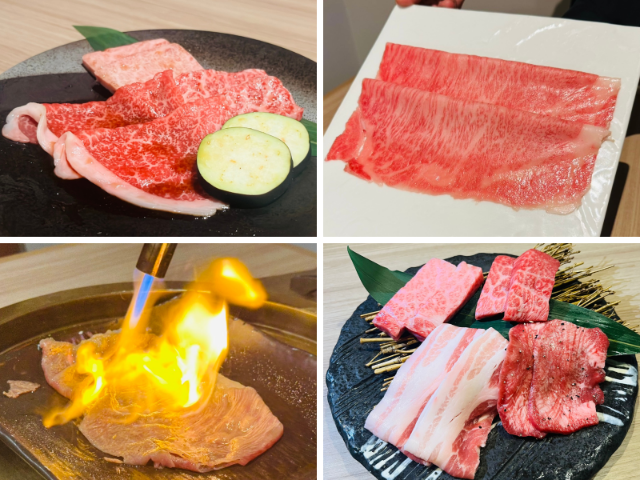
Oumi Beef Yakiniku Niku Tatsu Aoyama: Pengalaman Wagyu Yakiniku yang Wajib Dicoba di Tokyo
-
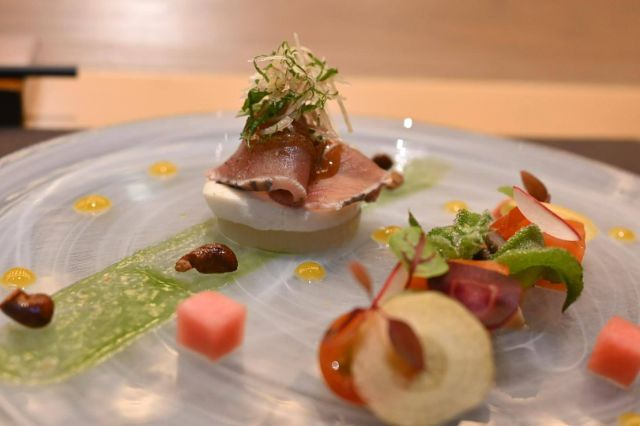
Makan siang di The Sakura, sebuah restoran Jepang-Masakan Prancis di Gion, Kyoto yang mengekspresikan keindahan Jepang.
-
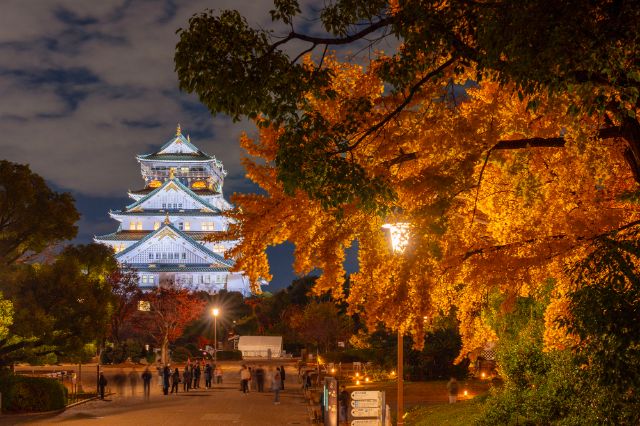
Golden Kyoto and Osaka in Autumn! Top 5 Ginkgo tree-lined Spots and Recommended Gourmet
-
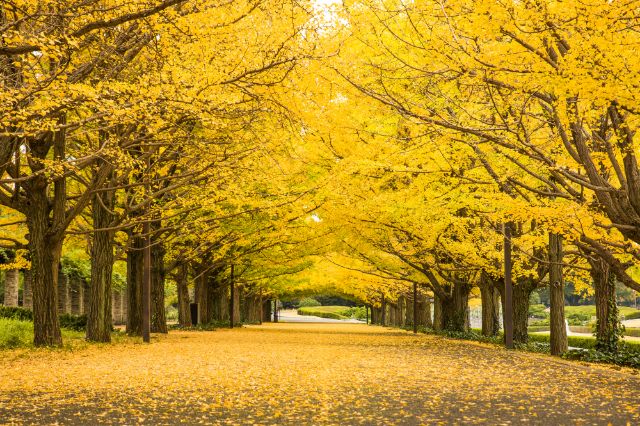
Head to Tokyo Drenched in Golden Hues! Top 5 Ginkgo-lined Spots for Autumn and Recommended Gourmet
-
![[Shinjuku Lamb BBQ] Asahikawa Jingisukan Daikokuya Shinjukueki Higashiguchi Branch: Just a second from the station! No gamey taste, hand-sliced lamb set meal is super satisfying.](https://rimage.savorjapan.com/svj/image/discover_oishii_japan/7164/article_head_150x105z.jpg?t=1781848413)
[Shinjuku Lamb BBQ] Asahikawa Jingisukan Daikokuya Shinjukueki Higashiguchi Branch: Just a second from the station! No gamey taste, hand-sliced lamb set meal is super satisfying.
Kategori
Masakan
- Bars (24)
-
Japanese Cuisine (703)
- Kaiseki (50)
- Nabe (22)
- Okonomiyaki (26)
- Shabu Shabu (39)
- Soba (19)
- Sushi (149)
- Tempura (19)
- Teppanyaki (45)
- Shojin Ryori (4)
- Tonkatsu (16)
- Kushiyaki (10)
- Yakitori (46)
- Sukiyaki (37)
- Japanese Cuisine (346)
- Oyster (3)
- Sashimi/ Seafood (34)
- Unagi (eel) (37)
- Motsu Nabe (offal hotpot) (10)
- Mizutaki (chicken hot pot) (4)
- Oden (9)
- Kaisendon (seafood bowl) (12)
- Udon (3)
- Taverns(Izakaya) Cuisine (134)
- Western Cuisine (43)
- Italian/French Cuisine (98)
- Yakiniku/Steak (236)
- Chinese Cuisine (27)
- Ramen (Noodles) Cuisine (25)
- Cafe/Sweets (67)
- Other Asian Cuisine (5)
- Global/International Cuisine (7)
- Alcohol (56)
- Other (11)
Daerah
- Shikoku (10)
- Kyoto and Osaka (357)
-
Tokyo (487)
- Tokyo (308)
- Ginza (49)
- Roppongi (24)
- Shibuya (30)
- Shinjuku (48)
- Asakusa (21)
- Ebisu (14)
- Tsukiji (13)
- Tokyo Landmarks (5)
- Ueno (23)
- Akihabara (9)
- Ikebukuro (14)
- Jiyugaoka, Denenchofu, Nakameguro (9)
- Shimokitazawa (4)
- Kichijoji (3)
- Tachikawa (1)
- Omotesando, Harajuku, Aoyama (20)
- Akabane (1)
- Kagurazaka (4)
- Akasaka (9)
- Odaiba (2)
- Tsukishima, Harumi, Toyosu (3)
- Near Tokyo (103)
- Okinawa dan Kepulauan Ryukyu (60)
- Hokkaido (124)
- Honshu Utara (Tohoku) (31)
- Central Honshu (Chubu) (147)
- Honshu Barat (Chugoku) (34)
- Kyushu (95)
Arsip
- July 2026(4)
- June 2026(10)
- May 2026(7)
- April 2026(18)
- March 2026(3)
- February 2026(13)
- January 2026(11)
- December 2025(9)
- November 2025(4)
- October 2025(3)
- September 2025(6)
- August 2025(11)
- July 2025(19)
- June 2025(18)
- May 2025(34)
- April 2025(43)
- March 2025(30)
- February 2025(36)
- January 2025(26)
- December 2024(69)
- November 2024(31)
- October 2024(15)
- September 2024(39)
- August 2024(65)
- July 2024(31)
- June 2024(54)
- May 2024(61)
- April 2024(28)
- March 2024(31)
- February 2024(42)
- January 2024(32)
- December 2023(20)
- November 2023(5)
- October 2023(10)
- September 2023(7)
- August 2023(18)
- July 2023(8)
- June 2023(8)
- May 2023(18)
- April 2023(15)
- March 2023(1)
- January 2023(1)
- April 2022(2)
- March 2022(2)
- February 2022(1)
- January 2022(1)
- July 2021(1)
- March 2021(1)
- February 2021(1)
- December 2020(1)
- October 2020(1)
- September 2020(2)
- August 2020(10)
- July 2020(6)
- June 2020(9)
- May 2020(11)
- April 2020(8)
- March 2020(8)
- February 2020(13)
- January 2020(9)
- December 2019(24)
- November 2019(8)
- August 2019(14)
- July 2019(15)
- June 2019(18)
- May 2019(17)
- April 2019(16)
- March 2019(22)
- February 2019(22)
- January 2019(26)
- December 2018(34)
- November 2018(40)
- October 2018(32)
- September 2018(11)
- August 2018(8)
- July 2018(6)
- June 2018(9)
- May 2018(10)
- April 2018(21)
- March 2018(74)
- February 2018(39)
- January 2018(26)
- December 2017(60)
Kata Kunci
- Omakase
- Dapat diakses
- Terjangkau
- Makan Sepuasnya
- Pemandangan yang menakjubkan
- animasi
- Seni
- Musim gugur
- Penghargaan
- Taman Bir
- Sarapan
- Rekomendasi Koki
- Bunga Sakura
- Masakan Tionghoa
- Dekat Stasiun
- Bumbu pelengkap
- Menangkal
- Kupon
- Kepiting
- Budaya
- Dasai
- Tanggal
- pengiriman
- Awal Musim Panas
- Rekomendasi Editor
- Tersedia dalam Bahasa Inggris
- Peristiwa
- Pameran
- Daun Musim Gugur
- Ramah Keluarga
- Restoran Terkenal
- Tempat Wisata Terkenal
- Makanan Cepat Saji
- festival
- kembang api
- Perkebunan Bunga
- Gratis Wi-Fi
- Masakan Prancis
- Lokasi Bagus
- Memandu
- Ikan Hibachi
- makanan daging dan sayur
- Bagaimana Caranya
- bunga hortensia
- Kebersihan
- Penerangan
- Masakan Italia
- Izakaya
- Jepang
- alkohol jepang
- jingisukan
- Kaiseki
- Kappo
- Kushiage
- Kusikatsu
- Kyoto
- Larut Malam
- Makan siang
- Tata krama
- matsusakagyu
- Michelin
- mizutaki
- Kursus Model
- monjayaki
- motsunabe
- Gunung Fuji
- Menu Multibahasa
- Nabe
- Bandara Narita
- Tahun Baru
- Ninja
- Mi
- Oden
- Okonomiyaki
- omotenashi
- Pemandian air panas
- Osaka
- Osaka Stasiun
- Situs Fotogenik
- pizza
- hubungan masyarakat
- Kamar Pribadi
- Ramen
- peringkat
- Resep
- Masakan Daerah
- Resor
- Hidangan Mangkuk Nasi (Donburi)
- tempat-tempat suci
- Demi
- Sakura
- Sashimi
- bulu babi
- Daerah Setouchi
- Shabu-Shabu
- tamasya
- Hidangan Khas
- Soba
- Pengunjung Solo Dipersilakan
- Makanan Pedas
- Musim semi
- Steak
- Musim panas
- Bunga matahari
- Sushi
- bawa pulang
- Teppanyaki
- Tempat Duduk Teras
- Tokyo
- Pengalaman Tokyo
- Tokyo Skytree
- Menara Tokyo
- daging panggang
- UNESCO
- Makanan sehat
- Vegetarian
- Daging wagyu
- Apa Saja Rekomendasi Situs Kuliner Populer?
- Wiski
- Bar Wine
- Musim dingin
- Bunga wisteria
- Bengkel
- Situs Warisan Dunia
- Penulis Dunia
- Yakiniku
- Yoshoku
- Yuba
- Bahasa Zen
Temukan Restoran Berdasarkan Area
-

Daerah Tokyo
Kota terbesar di Jepang, Tokyo, merupakan pusat budaya kuliner di Jepang. Banyak sekali restoran Tokyo yang menyajikan berbagai jenis makanan yang dapat dibayangkan dan pasar ikan Toyosu menyediakan berbagai restoran dengan ikan-ikan terbaik di negara ini.
-

Dekat dari Tokyo
Daerah pesisir, pegunungan, dan lembah di sekitar Tokyo dipenuhi dengan tujuan wisata, seperti sumber air panas dan lereng ski, tempat banyak makanan unik yang hanya tersedia secara lokal.
-

Daerah Kyoto dan Osaka
Kota Kyoto dan Osaka, beserta daerah di sekitarnya, telah memengaruhi budaya kuliner Jepang sejak abad ke-7. Wilayah ini terkenal dengan hiburannya, daging sapi Kobe, dan beragam hidangan tradisional.
-

Daerah Hokkaido
Pulau Hokkaido merupakan rumah bagi berbagai macam hasil bumi dengan kualitas terbaik, seperti beras, daging, sayur, ikan, dan buah. Hidangan populer dari Hokkaido meliputi robatayaki (makanan yang dipanggang perlahan di tusuk sate) dan ramen miso Sapporo.
-

Honshu Utara (Tohoku)
Ujung utara pulau utama Jepang, Honshu, terkenal dengan buah dan sayur musimannya, panen ikan terbaik di negara ini (terutama tuna dari Ohma), dan daging sapi lezat dari Yonezawa, Sendai, dan Yamagata.
-

Honshu Tengah (Chubu)
Chubu terletak di tengah pulau utama Jepang, Honshu, dan budaya kulinernya mencerminkan posisinya di antara belahan barat dan timur Jepang. Daging sapi Hida yang lezat, Gunung Fuji yang terkenal di dunia, dan banyak pabrik sake yang diakui ada di Chubu.
-

Honshu Barat (Chugoku)
Chugoku, di barat daya pulau utama Jepang, kaya akan hasil bumi yang beragam. Banyak produknya dipuji sebagai yang terbaik di Jepang, termasuk kepiting Matsuba dari Tottori dan tiram dari Hiroshima. Pir dan muscatnya juga bermutu tinggi.
-

Shikoku
Iklim Shikoku yang sedang sangat cocok untuk menanam buah jeruk seperti sudachi. Shikoku juga terkenal dengan mi udon Sanuki, hasil panen udang windu yang melimpah dari Prefektur Ehime, dan torafugu (ikan bulat macan) terbaik di negara ini.
-

Kyushu
Budaya Masakan Barat pertama kali diperkenalkan ke Jepang melalui Kyushu, pulau terbesar ketiga di Jepang, di mana pengaruh masakan Portugis dan masakan Barat lainnya memengaruhi terciptanya tradisi kuliner yang penuh warna.
-

Kepulauan Okinawa dan Ryukyu
Okinawa, prefektur paling selatan Jepang, adalah gudang harta karun hidangan dan minuman khas yang telah populer di seluruh Jepang, termasuk soba Okinawa, topping sushi yang unik, dan minuman keras sulingan Awamori.